
Why You Should Never Rinse Your Raw Chicken in the Sink Before Cooking?
You’re standing in your kitchen, ready to prepare a delicious meal, and as a diligent home cook, you might instinctively reach to give that raw chicken a quick rinse under the faucet. It’s a habit passed down through generations, an act that feels like it’s ensuring cleanliness and safety. But what if we told you that this seemingly innocuous step is actually one of the riskiest things you can do for food safety in your kitchen?
The Science Behind Bacteria Spread
Raw chicken is a common host for bacteria such as *Salmonella*, *Campylobacter*, and *Clostridium perfringens*. These microorganisms are naturally present on poultry and are the leading causes of foodborne illness worldwide. When you place raw chicken under running water, the force of the water causes these bacteria to become airborne, turning into tiny droplets that can travel much further than you’d expect.
These microscopic aerosols can land on surrounding surfaces like countertops, dishcloths, other utensils, nearby produce, and even your clean dishes. This invisible spread of bacteria is known as cross-contamination, and it creates a direct pathway for harmful pathogens to transfer from the raw chicken to other foods that might not be cooked, or to surfaces you’ll touch later.
Why Rinsing Doesn’t Help (And Makes It Worse)
The primary reason *why not rinse raw chicken* is simple: water alone does not kill bacteria. While it might wash away some surface dirt or loose particles, the vast majority of harmful bacteria remain firmly attached to the chicken’s surface. In fact, by rinsing, you’re not eliminating the problem; you’re actively exacerbating it by spreading those bacteria to a wider area of your kitchen. The notion that rinsing chicken makes it “cleaner” or safer is a misconception that puts your household at risk of food poisoning. Instead of removing bacteria, you’re merely relocating it, increasing the chances of accidentally ingesting these pathogens.
What Health Authorities Say (CDC/FDA)
The Centers for Disease Control and Prevention (CDC) and the U.S. Food and Drug Administration (FDA) have unequivocally stated their guidance on this common practice. Both organizations strongly advise against washing raw chicken, turkey, or other poultry. According to the CDC, washing raw poultry can spread germs to other foods, utensils, and surfaces. The FDA reiterates this, explaining that “do not wash raw poultry, meat, or eggs. Washing can spread germs from the food to other foods, utensils, and surfaces.” This clear directive from leading public health authorities underscores the critical importance of understanding *why not rinse raw chicken* before cooking. Their guidance is based on extensive scientific research and a deep understanding of food safety principles, aimed at preventing thousands of foodborne illnesses each year.
How Bacteria Actually Dies (Heat, Not Water)
If rinsing doesn’t eliminate bacteria, what does? The answer is simple: heat. The only reliable way to kill harmful bacteria present in raw chicken is to cook it to a safe internal temperature. For all poultry, this means reaching a minimum internal temperature of 165°F (74°C). Using a food thermometer is absolutely crucial for ensuring your chicken is cooked thoroughly and safely. Inserting the thermometer into the thickest part of the chicken, avoiding bones, will give you an accurate reading. Once the meat reaches 165°F, you can be confident that any harmful bacteria have been destroyed, rendering the chicken safe to eat without any prior rinsing.
Proper Chicken Handling Techniques
Understanding *why not rinse raw chicken* is the first step; implementing proper raw chicken handling is the next. Instead of washing, here’s how to safely prepare your chicken:
- Pat Dry: If your recipe calls for dry chicken (e.g., for crispier skin), simply pat the chicken dry with clean paper towels. Discard these paper towels immediately into the trash.
- Direct to Pan: Unless specified by a recipe for specific reasons like marinating, you can often take raw chicken directly from its packaging and place it into your cooking vessel or onto a prepared cutting board.
- Trim Mindfully: If trimming is necessary, do so carefully on a designated cutting board that will not be used for other foods, especially ready-to-eat items like salads.
These simple chicken preparation methods minimize the risk of spreading bacteria and ensure a safer cooking environment.
Preventing Cross-Contamination in Your Kitchen
Preventing cross-contamination is paramount when dealing with raw chicken handling. Here are essential practices to protect your kitchen and family:
- Dedicated Cutting Boards: Use separate cutting boards for raw meat and poultry. Many chefs use color-coded boards—often red for raw meats—to avoid confusion.
- Separate Utensils and Plates: Never use the same utensils or plates for raw chicken that you will use for cooked chicken or other ready-to-eat foods. For instance, do not place cooked chicken back on the plate that held it when raw.
- Thorough Handwashing: This is perhaps the most critical step. Always wash your hands thoroughly with warm water and soap for at least 20 seconds before and after handling raw chicken, and after touching any surfaces that may have come into contact with it.
- Sanitize Surfaces: Immediately after preparing raw chicken, thoroughly clean and sanitize all countertops, sinks, and other surfaces that may have been splashed or touched. Use a commercial kitchen sanitizer or a solution of 1 tablespoon of unscented liquid chlorine bleach per gallon of water.
Safe Storage and Thawing Methods
Proper storage and thawing are crucial aspects of safe raw chicken handling, preventing bacterial growth and further cross-contamination risks.
Storage:
Always store raw chicken on the bottom shelf of your refrigerator in a sealed container or well-wrapped package. This prevents any juices from dripping onto other foods below it. Ensure your refrigerator temperature is set to 40°F (4°C) or below.
Thawing:
- Refrigerator Thawing: This is the safest method. Place frozen chicken in a sealed bag or container on the bottom shelf of the refrigerator. Allow ample time—typically 24 hours for every 5 pounds of chicken.
- Cold Water Thawing: For quicker thawing, place chicken in a leak-proof plastic bag and immerse it in cold tap water. Change the water every 30 minutes. Cook immediately after thawing by this method.
- Microwave Thawing: This method should only be used if you plan to cook the chicken immediately after thawing, as parts of the chicken may begin to cook during the process.
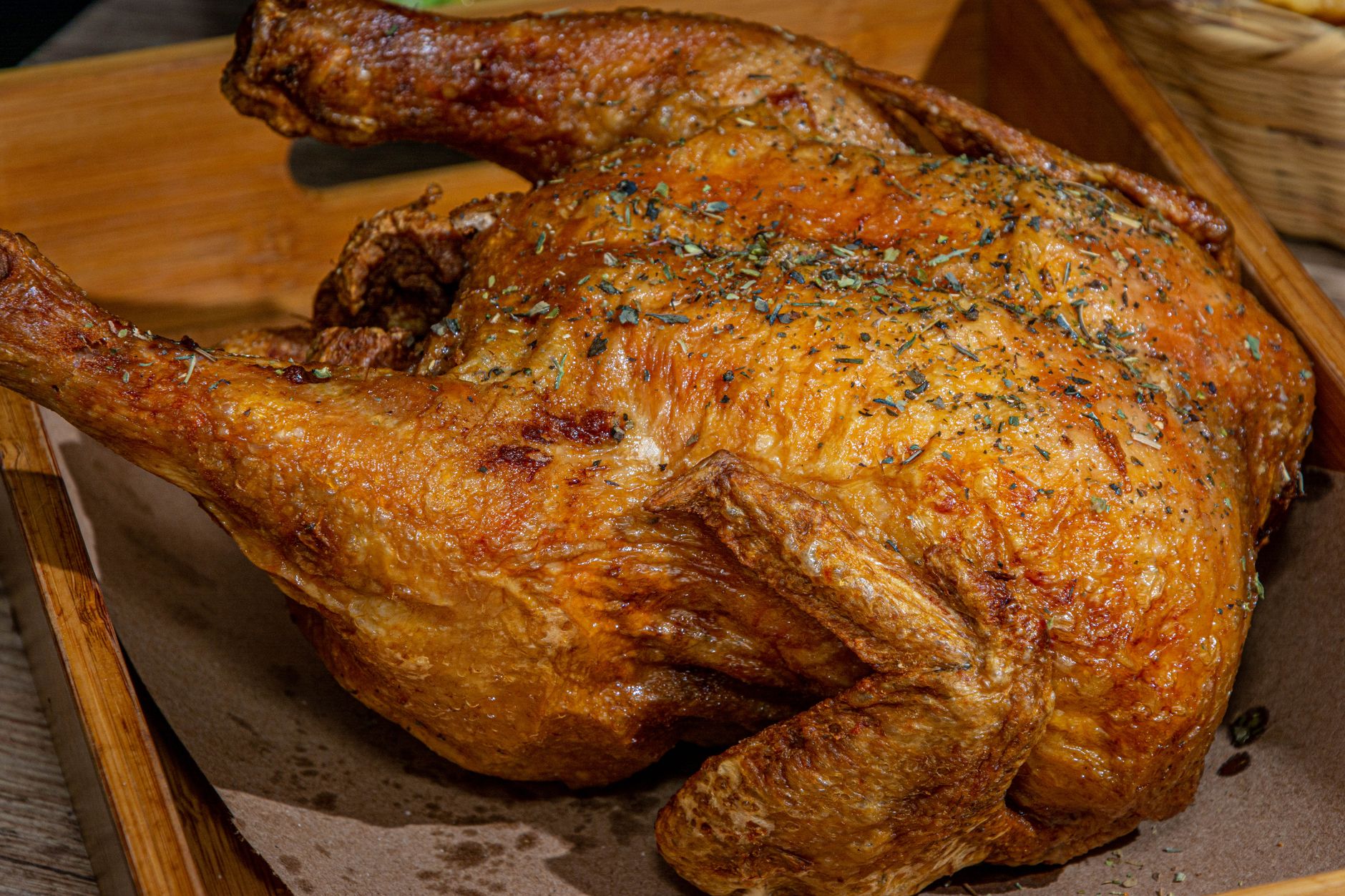
Never thaw raw chicken on the countertop at room temperature, as this allows bacteria to multiply rapidly in the “danger zone” between 40°F (4°C) and 140°F (60°C).

Frequently Asked Questions
Is it safe to eat chicken without rinsing?
Absolutely, it is not only safe but recommended to cook chicken without rinsing it first. The only way to eliminate harmful bacteria like *Salmonella* and *Campylobacter* is by cooking the chicken to a safe internal temperature of 165°F (74°C). Rinsing raw chicken primarily spreads bacteria around your kitchen, increasing the risk of foodborne illness rather than reducing it. The reason *why not rinse raw chicken* is directly tied to preventing the aerosolization and widespread contamination of your kitchen environment.
What’s the proper way to prepare raw chicken?
The proper way to prepare raw chicken involves minimizing bacterial spread and ensuring thorough cooking. First, remove the chicken from its packaging directly onto a clean, designated cutting board. If needed, pat it dry with clean paper towels, then immediately discard the towels. Avoid rinsing. Proceed with your recipe by cutting, seasoning, or marinating as required. Always remember to wash your hands thoroughly with soap and water for 20 seconds before and after handling the chicken. Cook the chicken to an internal temperature of 165°F (74°C) using a food thermometer to confirm safety. These chicken preparation methods prioritize safety over antiquated habits.
How do you avoid cross-contamination?
Avoiding cross-contamination is crucial for *rinsing chicken food safety* and overall kitchen hygiene. Key steps include using separate cutting boards for raw meats and produce, and ensuring different utensils and plates are used for raw versus cooked foods. After handling raw chicken, thoroughly wash your hands with soap and water for at least 20 seconds. All surfaces, including countertops, sinks, and utensils that came into contact with raw chicken, must be cleaned and sanitized immediately. Store raw chicken on the bottom shelf of your refrigerator to prevent juices from dripping onto other foods. Practicing diligent raw chicken handling prevents the spread of harmful bacteria.
Cook safer, not soapier – a small change in habit can make a world of difference in your kitchen’s food safety.











