There’s a distinct aroma that signals comfort, tradition, and a hearty meal simmering on the stove – it’s the rich scent of a darkening roux, the very soul of Louisiana cooking. For many home cooks, attempting gumbo can feel like a daunting culinary mountain, especially when aiming for that signature deep flavor and velvety texture. But with the right guidance, you can absolutely master the art of Louisiana gumbo.
This comprehensive guide will walk you through every critical step, from crafting that crucial dark roux from scratch to layering complex flavors, ensuring your homemade gumbo tastes truly authentic. Prepare to create an authentic Louisiana seafood gumbo recipe that will impress and delight, right in your own kitchen.
The Holy Trinity: Building the Flavor Base
Before you even think about the roux, let’s talk about the foundational aromatic vegetables that kickstart almost every traditional Louisiana dish: the Holy Trinity. This trio consists of diced onion, celery, and green bell pepper. It’s the aromatic backbone, providing a fresh, slightly sweet, and savory base that will infuse your gumbo with essential flavor from the very beginning. Typically, you’ll want roughly equal parts of each, finely diced to ensure they melt into the gumbo as it simmers. This blend is often sautéed until softened, either before or after the roux, depending on the specific recipe and cook’s preference. For our seafood gumbo from scratch, we’ll introduce them right after the roux reaches its perfect shade.

Mastering the Dark Roux (Step-by-Step)
The dark roux is not just a thickener; it’s the heart and soul of an authentic Louisiana seafood gumbo recipe, imparting a nutty, toasted flavor and a deep, mahogany color. Don’t rush this step – patience is your most important ingredient here.
- Gather Ingredients: You’ll need equal parts all-purpose flour and a neutral-flavored fat, such as vegetable oil, canola oil, or rendered bacon fat. For a generous gumbo, start with 1 cup of oil and 1 cup of flour.
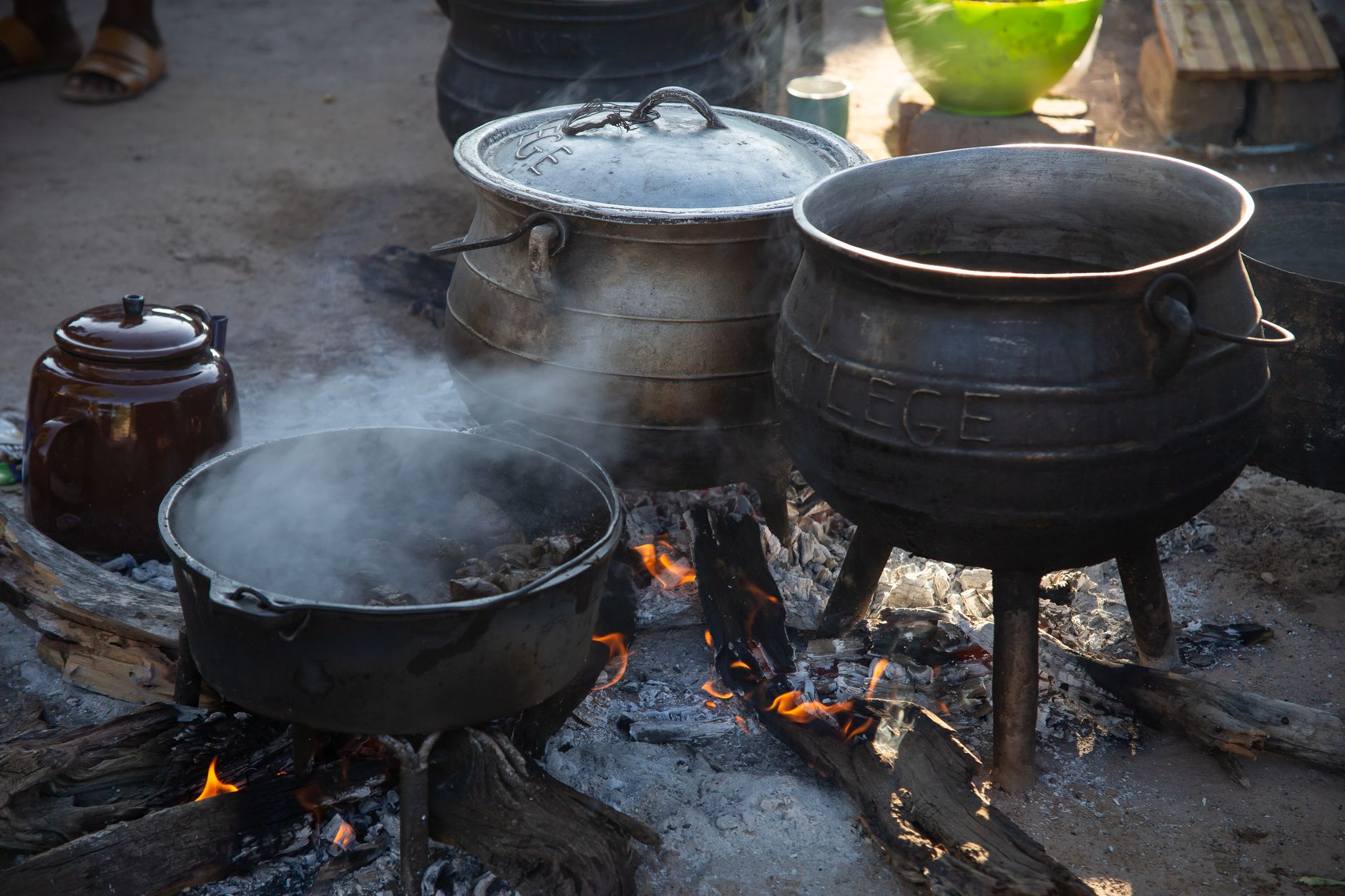
- Choose Your Pot: A heavy-bottomed pot or Dutch oven is crucial for even heat distribution, preventing scorching.
- Heat the Fat: Pour the oil into the pot and heat it over medium heat until it shimmers, but not smoking (around 350-375°F).
- Whisk in Flour: Gradually whisk in the flour, ensuring there are no lumps. The mixture will form a thick paste.
- Lower the Heat & Stir: Reduce the heat to medium-low. This is where patience comes in. Stir continuously, scraping the bottom and sides of the pot to prevent sticking and burning. A sturdy whisk or a wooden spoon is ideal.
- Observe the Color Transformation:
- Stage 1 (10-15 minutes): The roux will lighten, turn a pale blonde, then peanut butter color. It will smell like toasted flour.
- Stage 2 (15-25 minutes): It will progress to a copper or brick-red color, developing a deeper, nuttier aroma.
- Stage 3 (25-45 minutes): Continue stirring until it reaches a dark chocolate or coffee color. This is the desired shade for a true dark roux gumbo, imparting that distinctive deep flavor without bitterness. Be very careful not to burn it; a burned roux must be discarded and you must start over.
- Stop the Cooking: Once your roux reaches the desired dark color, immediately add your Holy Trinity (onion, celery, bell pepper). The moisture from the vegetables will cool down the roux and stop it from cooking further, preventing it from burning. Stir well to incorporate.

- Pro Tip 1: If your roux starts to smoke excessively or smells burnt at any stage, it’s best to discard it and start fresh. There’s no salvaging a burnt roux; it will impart a bitter taste to your entire gumbo.
- Pro Tip 2: Use a long-handled whisk or spoon to protect your hands from the very hot roux.
Selecting and Preparing Seafood
For a truly exceptional seafood gumbo, quality ingredients are paramount. Here’s how to choose and prepare your seafood:
- Shrimp: Opt for fresh, wild-caught shrimp (medium to large, 21-30 count or 16-20 count). Peel and devein them, reserving the shells if you plan to make a homemade shrimp stock for extra depth.
- Crab: Blue crab (whole or cleaned halves) or crab meat (lump or claw) are excellent choices. If using whole crabs, clean them thoroughly.
- Oysters (Optional): Fresh shucked oysters add a briny richness. Add them in the last few minutes of simmering to prevent them from becoming tough.
- Crawfish (Optional): If available, fresh or frozen peeled crawfish tails are a fantastic addition, usually added towards the end.
Ensure all seafood is thoroughly rinsed and patted dry before adding to the gumbo. Avoid overcooking the seafood, as it can become rubbery; it cooks quickly in the simmering liquid.
Building Layers of Louisiana Flavor
With your dark roux and Holy Trinity established, it’s time to build the complex flavor profile of your Louisiana gumbo recipe.
- Add Garlic and Seasonings: After the Holy Trinity has softened (about 5-7 minutes), stir in 3-4 cloves of minced garlic and 2 tablespoons of a good quality Cajun or Creole seasoning blend, along with 1 teaspoon of black pepper and ½ teaspoon of cayenne pepper (adjust to your spice preference). Cook for another minute until fragrant.
- Deglaze with Stock: Gradually whisk in 8 cups (2 quarts) of hot seafood or chicken stock (or reserved shrimp shell stock if you made it). Whisk continuously to prevent lumps. The mixture will thicken as the roux dissolves.
- Bring to a Simmer: Bring the gumbo to a gentle boil, then reduce the heat to low, cover, and let it simmer for at least 60-90 minutes. This slow simmer allows the flavors to meld and deepen. Stir occasionally to ensure nothing sticks to the bottom.
Okra vs. Filé Powder: Which to Use?
Both okra and filé powder are traditional thickeners and flavor enhancers in gumbo, but they are used differently and yield distinct results. You can use one, both, or neither, depending on your preference for your how to make gumbo journey.
- Okra: If using fresh or frozen sliced okra (about 1.5 cups), add it with the stock. Okra contributes a unique, earthy flavor and a silky texture. Some people are sensitive to its “mucilaginous” quality, though cooking it down for a long time largely mitigates this. If you don’t like the texture, sauté it separately until lightly browned before adding, or skip it.
- Filé Powder: Made from ground sassafras leaves, filé powder offers an earthy, somewhat root beer-like flavor and also acts as a thickener. It’s crucial to add filé powder *after* the gumbo is removed from the heat, just before serving. Never boil filé powder, as it can become stringy and bitter. Stir 1-2 teaspoons into individual bowls of gumbo at the table.
For this seafood gumbo from scratch, we recommend trying a version with okra cooked in, and offering filé powder at the table for those who enjoy its unique contribution.
Simmering, Seasoning, and Serving
The final steps bring all the wonderful elements of your gumbo together.
- Add Seafood: About 10-15 minutes before serving, add your prepared shrimp, crab, and crawfish (if using). If adding oysters, wait until the last 2-3 minutes. Cook until the shrimp turn pink and opaque, and the crab is heated through. Avoid overcooking the seafood.
- Final Seasoning: Taste the gumbo and adjust seasonings. You may need more salt, pepper, or Cajun seasoning. A dash of hot sauce (like Tabasco or Crystal) is also common at this stage to boost flavor.
- Rest: Once the seafood is cooked, remove the gumbo from the heat and let it rest, uncovered, for 10-15 minutes. This allows the flavors to settle and intensify.
- Serve: Ladle the steaming gumbo over fluffy white rice. Offer a bottle of hot sauce and a small bowl of filé powder at the table for individual customization.
Frequently Asked Questions
What makes a proper dark roux for gumbo?
A proper dark roux for gumbo is made from equal parts flour and fat, cooked slowly over medium-low heat until it reaches a deep chocolate or coffee color. The key is continuous stirring to prevent burning and to achieve a smooth, nutty flavor without bitterness. It serves not just as a thickener, but as a foundational flavor component, lending a distinctive depth and richness that is characteristic of authentic Louisiana gumbo.
How long does it take to make a dark roux?
Making a proper dark roux from scratch typically takes between 25 to 45 minutes, depending on the heat level and the cook’s attentiveness. Rushing the process by using high heat significantly increases the risk of burning, which would require starting over. Patience and constant stirring are essential for success.
What’s the difference between gumbo and other stews?
Gumbo distinguishes itself from other stews primarily through its foundational dark roux, which provides a unique flavor profile and thickening agent. Unlike many stews that rely on tomato bases, wine, or vegetable purées for thickness, gumbo’s identity is intrinsically tied to this cooked flour and fat mixture. It also traditionally features the “Holy Trinity” of onion, celery, and bell pepper, and often includes either okra or filé powder (or both) as distinct thickeners and flavor enhancers, giving it a unique taste and texture that sets it apart from other global stews.
Can you use store-bought roux for authentic gumbo?
While store-bought roux can be a convenient shortcut, most purists would argue it doesn’t quite achieve the same depth and complexity as a dark roux made from scratch. Pre-made roux often comes in varying degrees of darkness and can sometimes lack the fresh, nutty aroma and flavor developed through the slow cooking process at home. For an truly authentic Louisiana seafood gumbo recipe, making your roux from scratch is highly recommended, as it allows you complete control over the flavor and color, which is central to the dish’s character.
The journey to mastering gumbo is a rewarding one, steeped in tradition and rich flavors. Embrace the process, especially the careful crafting of your roux, and you’ll be rewarded with a soulful, comforting dish. Your authentic gumbo awaits, ready to be shared and savored.