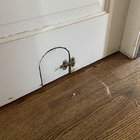
Why Did Old Houses Have a Tiny Door
Old houses often feature quaint and charming architectural details that can spark curiosity and wonder. One intriguing aspect that has piqued the interest of many is the presence of tiny doors in these historic properties. These diminutive entrances, often found next to the main door, raise the question: why did old houses have a tiny door?
Historical Significance
The presence of tiny doors in old houses can be traced back to historical traditions and practical purposes. In many cultures and time periods, small doors were built into homes for specific reasons, such as:
- Superstitions and Beliefs: Tiny doors were believed to ward off evil spirits, with the theory that these spirits could only pass through openings large enough to accommodate them. By incorporating small doors, homeowners hoped to protect their households from malevolent forces.
- Symbolism and Tradition: Some small doors were symbolic in nature, representing humility, respect, or transitioning between the mortal and spiritual realms. These doors often held cultural significance and were included as revered elements within the home.
- Functional Purposes: Apart from symbolic or superstitious reasons, some tiny doors served practical functions, such as allowing animals like cats or dogs to freely move in and out of the house without the need to open the full-sized door each time.
Architectural Aesthetics
From an architectural perspective, tiny doors added a whimsical and unique touch to the overall design of old houses. These small openings created a sense of mystery and intrigue, inviting individuals to ponder their purpose and history. Additionally, the craftsmanship exhibited in the construction of these miniature portals often showcased the skill and artistry of the builders.
Preservation and Restoration
As old houses are preserved and restored for historical value, the tiny doors within them continue to captivate and fascinate enthusiasts and historians alike. These small entrances offer a glimpse into the past, providing a tangible link to the traditions, beliefs, and daily life of previous generations.
Conclusion
The presence of tiny doors in old houses is a reminder of the rich tapestry of human history and the diverse reasons behind architectural choices. Whether serving superstitious beliefs, practical functions, or symbolic representations, these charming elements contribute to the character and allure of historic properties.
For more insights into architectural history and heritage, visit Larrea Las Vegas.











