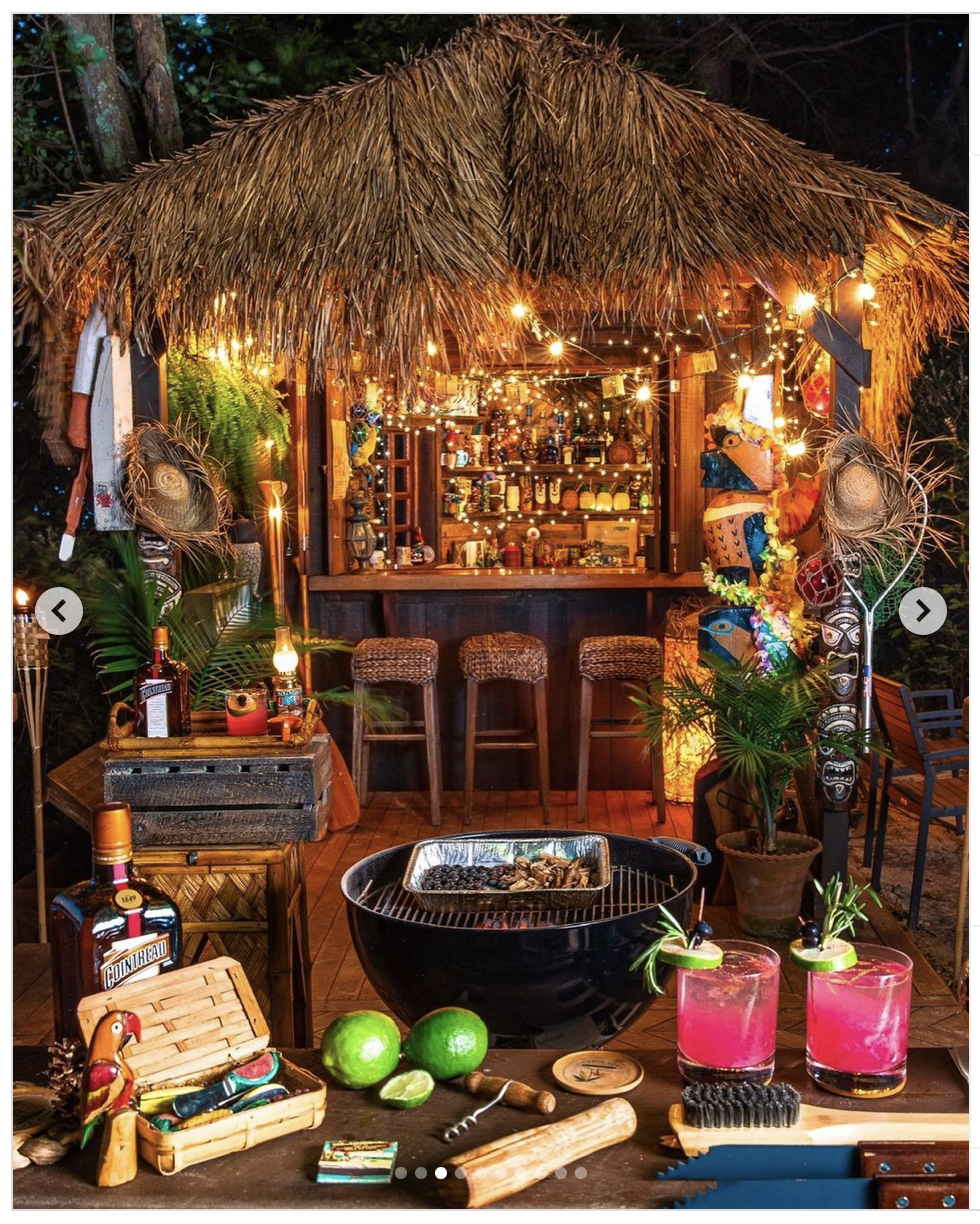
What is a Tiki Bar?
Tiki bars, often associated with tropical vacations and escapism, are themed bars and restaurants that draw inspiration from the Polynesian culture and aesthetics. These establishments typically feature bamboo décor, tiki masks, thatched roofs, tiki torches, and tropical cocktails served in decorative glasses or ceramic mugs.
History of Tiki Bars
The concept of tiki bars originated in the United States in the 1930s and 1940s, following America’s fascination with exotic and faraway places. Tiki bars quickly became popular gathering spots, offering patrons a chance to immerse themselves in a tropical paradise without leaving their hometown.
Characteristics of Tiki Bars
- Tropical Decor: Tiki bars are known for their vibrant and exotic décor elements, including bamboo, thatch, palm leaves, and tiki statues.
- Tiki Cocktails: These bars serve a variety of rum-based cocktails, such as the Mai Tai, Piña Colada, and Zombie, often garnished with fruit and umbrellas.
- Music and Entertainment: Tiki bars often feature live music, hula dancers, and other entertainment to enhance the exotic ambiance.
Modern Tiki Culture
While the popularity of tiki bars waned in the mid-20th century, there has been a resurgence of interest in recent years, with modern establishments offering a fresh take on the classic concept. Today, tiki bars can be found in major cities around the world, attracting locals and tourists alike with their unique atmosphere and delicious drinks.











