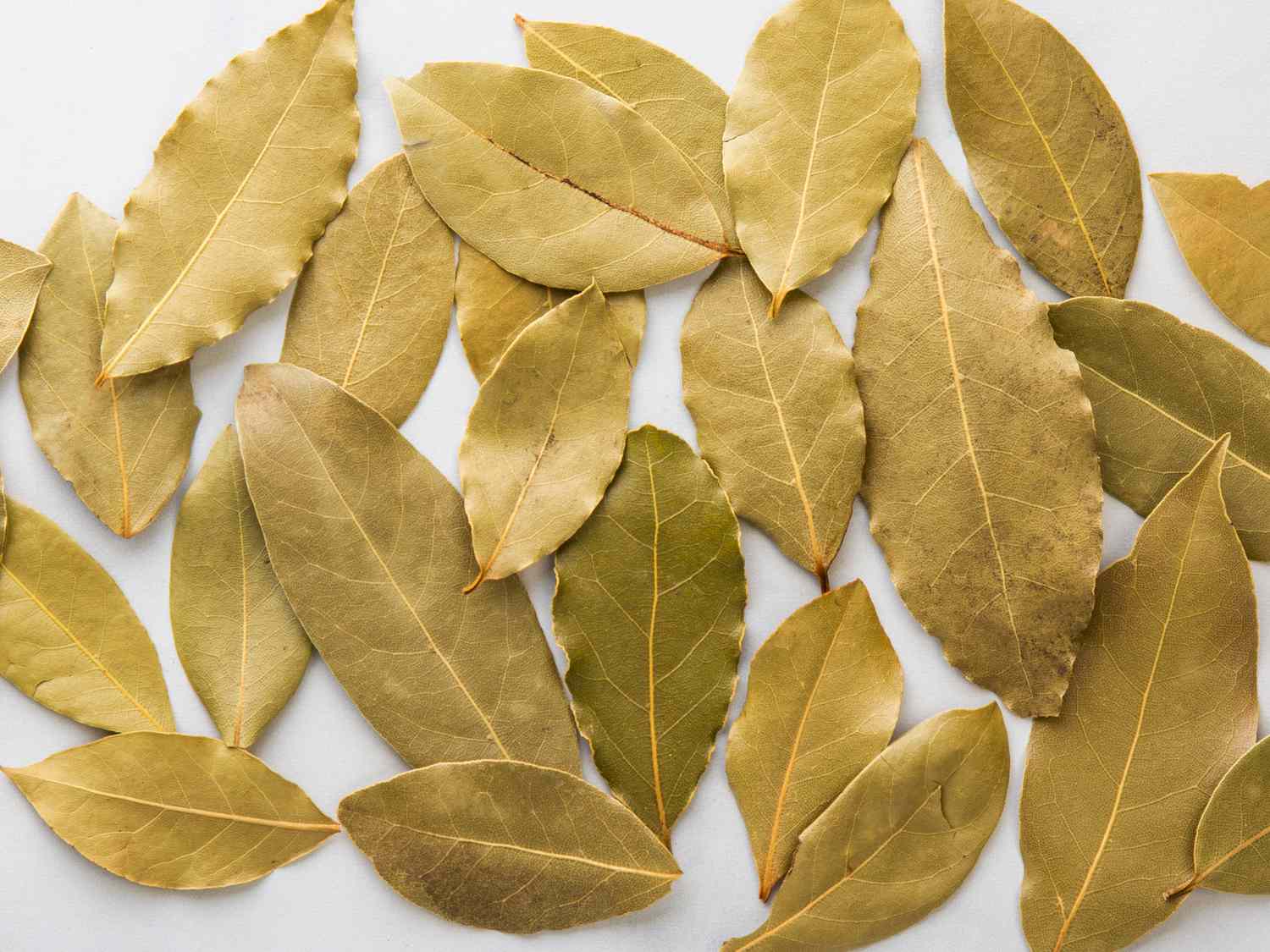
Exploring the Versatile Bay Leaf: What Does It Do?
Bay leaves, often referred to as laurel leaves, are commonly used in cooking to infuse dishes with a unique aroma and flavor profile. While this humble herb may seem like a simple addition to your favorite recipes, it offers a range of benefits beyond just enhancing the taste of your culinary creations. Let’s dive deeper into the world of bay leaves to uncover what they truly do.
Adding Flavor and Aroma
One of the primary roles of bay leaves in cooking is to impart a subtle yet distinctive flavor and aroma to dishes. When added to soups, stews, sauces, and braises, bay leaves release essential oils that infuse the food with a warm, slightly floral taste. Their aromatic qualities add depth and complexity to a wide range of savory recipes, making them a staple in many cuisines around the world.
Improving Digestion
Bay leaves are known for their potential digestive benefits. When consumed in moderation as part of a meal, these leaves can help stimulate digestion and reduce bloating or gas after eating. The compounds found in bay leaves may also aid in soothing an upset stomach, making them a natural remedy for minor digestive discomfort.
Health Benefits
Beyond their culinary uses, bay leaves are believed to offer a variety of health benefits. Rich in vitamins and minerals, including vitamin C, vitamin A, and iron, bay leaves can contribute to overall well-being when consumed regularly. Some studies suggest that the antioxidants present in bay leaves may help combat inflammation and oxidative stress in the body.
Repelling Insects
In addition to their culinary and health-related uses, bay leaves are also valued for their insect-repelling properties. Placing bay leaves in pantries, kitchen cabinets, or other storage areas can help deter pests like moths, ants, and cockroaches due to the leaves’ strong scent. This natural pest control method offers a safe and eco-friendly way to protect your home from unwanted bugs.
Culinary Tradition and Superstition
Throughout history, bay leaves have held a special place in various culinary traditions and superstitions. In ancient times, these leaves were associated with victory and success and were often used to crown victorious athletes or emperors. Even today, bay leaves are included in rituals and customs in different cultures as a symbol of good luck or protection.
Conclusion
From enhancing the flavor of your favorite dishes to supporting digestive health and acting as a natural insect repellent, bay leaves play a fascinating and multifaceted role in the culinary world and beyond. Whether you’re simmering a pot of soup or looking to keep pests at bay, the humble bay leaf continues to prove its worth in various aspects of daily life.
For more culinary inspiration and tips on using herbs and spices, visit LAR Real Las Vegas.











