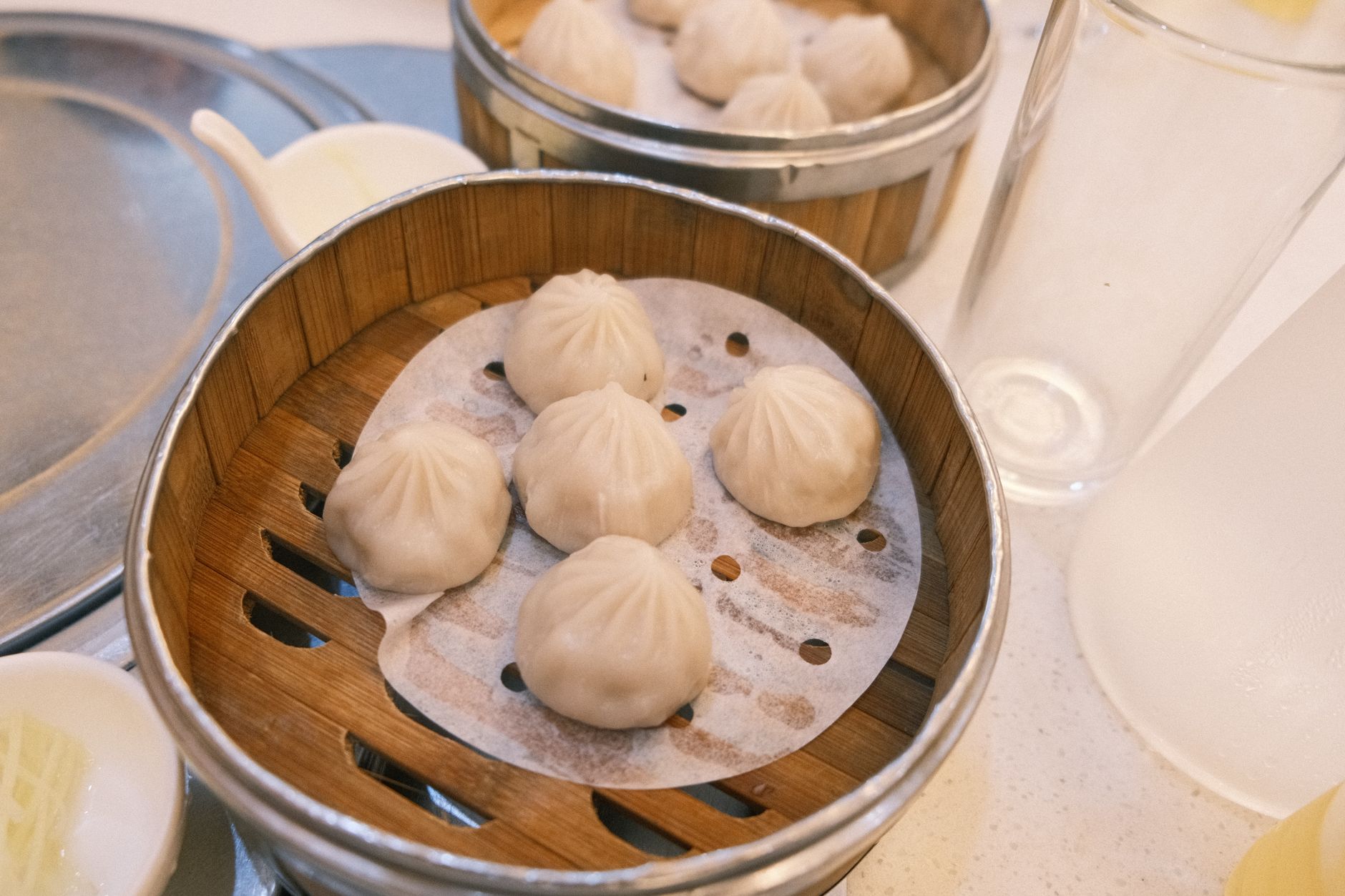
How to Eat Xiao Long Bao (Soup Dumplings) Properly Without Spilling the Broth?
That moment when a perfectly steamed soup dumpling arrives, plump and glistening, only for the first bite to unleash a cascade of precious broth onto your plate, or worse, your lap. It’s a common dining dilemma, a rite of passage for anyone new to the delicate art of Xiao Long Bao (XLB). But fear not, for mastering this culinary delight is entirely achievable with the right approach and a little patience. This guide will walk you through the proper technique, ensuring you savor every drop of that savory liquid gold.
Understanding Xiao Long Bao Structure
Before diving into the mechanics of consumption, it’s helpful to appreciate the ingenious construction of a Xiao Long Bao. These delectable dumplings, originating from Shanghai, are a marvel of culinary engineering. Each small, pleated parcel typically contains a spoonful of seasoned ground pork (sometimes with crab roe or other fillings) and, crucially, a solidified gelatin cube made from rich pork or chicken broth. As the dumplings steam, the gelatin melts, transforming into the signature hot, savory soup that makes XLB so unique. The thin, delicate wrapper is designed to hold this liquid treasure, making the eating process a careful dance between utensil and deliciousness.
Essential Tools and Preparation
To properly enjoy Xiao Long Bao, you’ll need the right equipment:
* **Chopsticks:** Your primary tool for carefully lifting the dumpling.
* **Chinese Soup Spoon:** Absolutely indispensable for cradling the dumpling and catching any escaping broth.
* **Dipping Sauce:** Typically a mixture of black vinegar, julienned ginger, and sometimes a dash of soy sauce. This adds a crucial layer of flavor and cuts through the richness of the pork.
Before you begin, ensure your dipping sauce is ready. A small plate of thinly sliced fresh ginger steeped in black vinegar is the classic accompaniment, offering a zesty contrast to the rich filling.
Step-by-Step Method for Eating Properly
Here’s the definitive guide on how to eat xiao long bao soup dumplings without the dreaded spill:
-
Select Your Dumpling
Using your chopsticks, gently pick up a Xiao Long Bao from the steamer basket. Avoid pinching too hard, which can rupture the delicate wrapper. Aim for the pleats at the top, or gently scoop from underneath.
-
Place on the Spoon
Immediately transfer the hot dumpling to your Chinese soup spoon. This is your safety net, ready to catch any broth that might escape. It also provides a stable platform for the next steps.
-
Create a Small Opening (The “Peek and Sip”)
This is the most critical step. Using your chopsticks, gently make a small tear or bite a tiny hole in the side of the dumpling wrapper. Do not bite off a large piece! This small opening allows steam to escape and, more importantly, provides an entry point for sipping the broth.
- **Pro Tip:** Be mindful of the temperature. The broth inside is incredibly hot, often around 160-180°F (71-82°C). Allow it to cool for a few seconds after creating the opening before sipping.
-
Sip the Broth
Carefully lift the spoon to your mouth and slowly sip the delicious, savory broth from within the dumpling. This is the heart of the Xiao Long Bao experience! Savor the warm liquid.
-
Add Dipping Sauce (Optional, but Recommended)
After sipping some of the broth, you can add a few strands of the ginger and a tiny bit of black vinegar from your dipping plate directly into the dumpling on your spoon. The hole you created makes this easy.
-
Eat the Rest
Once the broth has been safely consumed and flavors added, you can now eat the remainder of the dumpling in one or two bites. The wrapper, pork filling, and ginger-vinegar mixture combine for a perfect mouthful.
- **Pro Tip:** Don’t overload your spoon with dipping sauce; a little goes a long way to enhance, not overpower, the dumpling’s natural flavor.
The Peek and Sip Technique Explained
The “peek and sip” (sometimes called “nip and slurp”) is not just a technique; it’s an appreciation for the craftsmanship of the Xiao Long Bao. The primary goal is to enjoy the broth first, as it’s often the most flavorful component and incredibly hot. By creating a small vent, you achieve two things:
1. **Temperature Control:** It allows the dangerously hot steam and broth to cool down slightly before you sip, preventing burns to your mouth.
2. **Broth Preservation:** It ensures you don’t lose any of the precious liquid, which is the defining characteristic of this dish. Biting straight into a full, hot dumpling is a recipe for a mess and a burned tongue.
Common Mistakes and How to Avoid Them
Learning how to eat xiao long bao soup dumplings involves avoiding these pitfalls:
* **Biting it in Half:** This is the most common mistake. Biting a hot, full dumpling in half inevitably leads to a geyser of hot broth erupting onto your plate or clothes. Always use the “peek and sip” method.
* **Picking Up Too Roughly:** Squeezing the dumpling too hard with chopsticks can cause the wrapper to tear before it even reaches your spoon, resulting in a loss of broth. Be gentle.
* **Not Using a Spoon:** Attempting to eat XLB directly from the steamer with chopsticks alone is a high-risk maneuver. The spoon is your essential safety net.
* **Eating Too Quickly:** These are meant to be savored. The broth is hot, and rushing can lead to burns or missed flavors. Take your time.
* **Over-Dipping:** While dipping sauce is great, drenching the entire dumpling can overpower its delicate flavors. A little splash of vinegar and ginger is usually sufficient.
Authentic Dining Etiquette in China
When enjoying Xiao Long Bao in a traditional setting, observe these points of dining etiquette:
* **Patience is Key:** Allow the dumplings to cool slightly in the steamer after they arrive. They are often served extremely hot.
* **Don’t Point Chopsticks:** It’s considered rude to point your chopsticks at people or wave them around while talking.
* **No Sticking Chopsticks Upright:** Never stick your chopsticks vertically into a bowl of rice or food; this resembles incense offered at a funeral.
* **Use Your Spoon:** As emphasized, the spoon is vital for XLB and is generally used for soup or rice, not just dumplings.
* **Share, But Individually Scoop:** If sharing a basket of XLB, use your chopsticks to pick individual dumplings for your own spoon, rather than using communal serving utensils (if provided) for the dumplings themselves.
* **Be Mindful of Noise:** While slurping broth is acceptable and even a sign of enjoyment in some Asian cultures, excessive noise can be considered impolite. A gentle sip is usually preferred.
- **Pro Tip:** If you’re struggling with chopsticks, it’s generally acceptable to ask for a fork, especially in more tourist-friendly establishments, but give chopsticks a try first!
Frequently Asked Questions
Why do soup dumplings have broth inside?
The broth inside soup dumplings is a result of a clever culinary technique. Chefs add a solidified, gelatinized broth (often made from pork skin or chicken feet for their natural collagen content) into the raw dumpling filling. As the dumplings steam, the heat melts the gelatin, turning it back into a rich, savory liquid broth, which is then trapped within the thin, sealed wrapper.
What’s the proper dumpling etiquette?
Proper dumpling etiquette emphasizes gentle handling, preventing spills, and respectful dining. Always use a Chinese soup spoon as a base for your Xiao Long Bao. Gently bite or tear a small hole to release steam and sip the hot broth first before consuming the rest of the dumpling. Use chopsticks delicately, avoid pointing them, and enjoy your meal without excessive noise.
Can you eat soup dumplings with a fork?
While traditionalists might raise an eyebrow, yes, you can eat soup dumplings with a fork if you absolutely must. However, it’s considerably more challenging to preserve the broth. If using a fork, you would still need to transfer the dumpling to a spoon. Then, instead of chopsticks, use the tines of the fork to carefully pierce a small hole in the wrapper to sip the broth. This method risks tearing the delicate wrapper more easily than chopsticks, potentially leading to lost broth. For the best experience, mastering chopsticks is highly recommended.
Master the Art of Soup Dumplings
With these techniques and a respectful understanding of the cuisine, you are now equipped to conquer the mighty Xiao Long Bao. Embrace the challenge, enjoy the process, and delight in every savory, brothy bite.











