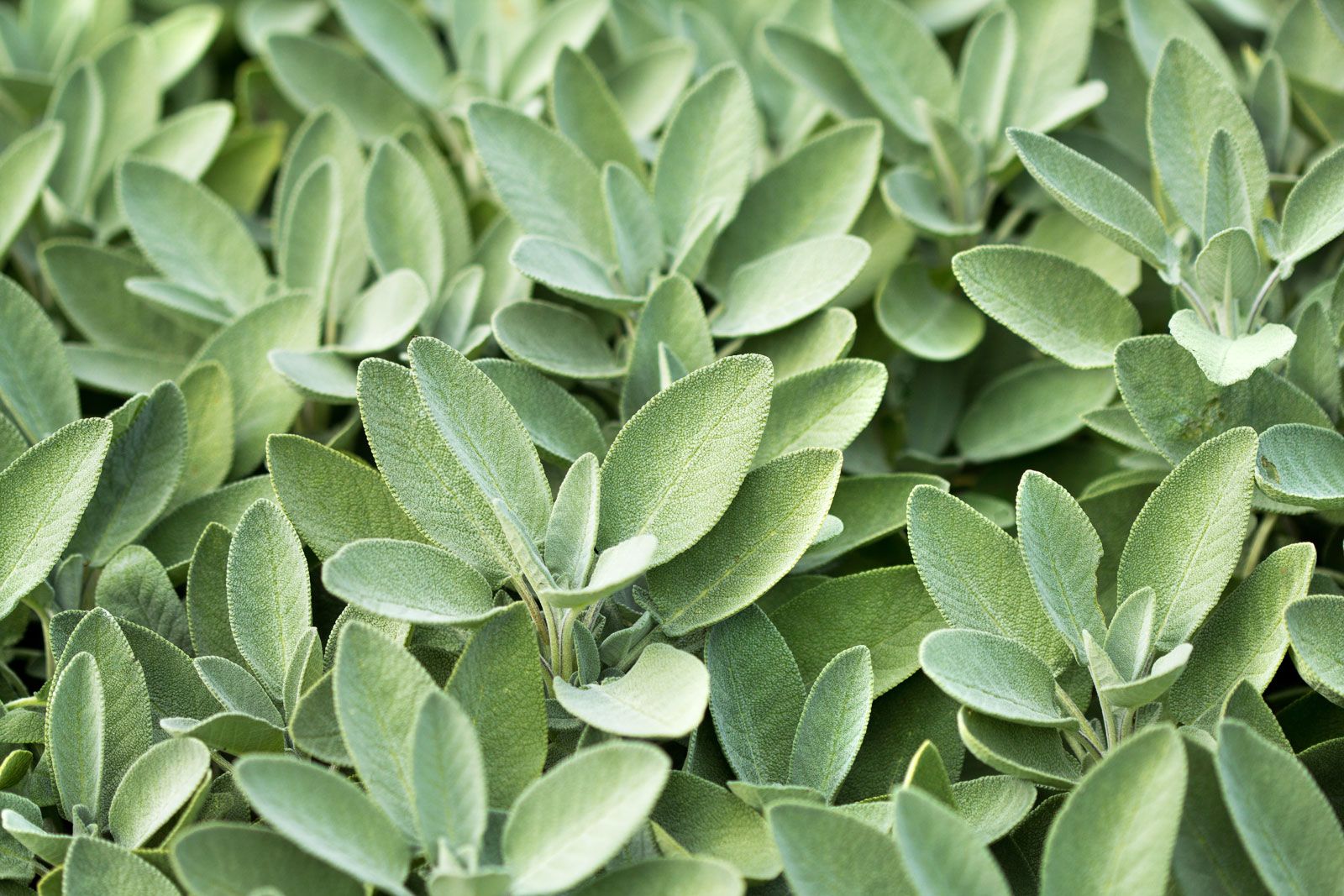
What Does Sage Look Like
Sage, also known as Salvia officinalis, is a popular herb used in various cuisines and for its medicinal properties. It is a perennial plant with woody stems, grayish-green leaves, and purple, blue, or white flowers. Here is a detailed look at the physical characteristics of sage.
Appearance
Sage plants typically grow up to 2 feet tall and have square-shaped stems covered in fine, soft hairs. The leaves are long and narrow, about 2-3 inches in length, and are velvety to the touch. The color of the leaves can vary from gray-green to silver-green, giving the plant a distinctive appearance.
Texture
The leaves of sage are smooth on the top surface and have a slightly fuzzy texture underneath due to tiny hairs. When rubbed between fingers, the leaves release a strong, aromatic fragrance that is characteristic of sage.
Flowers
Sage plants bloom in late spring or early summer, displaying small, tubular flowers in shades of purple, blue, or white. These flowers are arranged in whorls along the stem and attract pollinators like bees and butterflies.
Growth Habit
Sage is a hardy herb that thrives in well-drained soil and full sun. It is drought tolerant once established and resistant to many pests and diseases. Sage plants can spread out as they grow, forming dense clumps that add a decorative touch to herb gardens.
Culinary and Medicinal Uses
Aside from its ornamental value, sage is prized for its culinary uses, adding a savory flavor to dishes like stews, soups, and roasted meats. It is also used in herbal medicine for its anti-inflammatory and antioxidant properties, promoting overall well-being.
Overall, sage is a versatile plant with a striking appearance and a multitude of practical applications, making it a valuable addition to any garden or kitchen.











