You’ve had that craving: a perfectly seared, juicy steak. But firing up the entire grill, filling it with a mountain of charcoal just for one glorious cut, feels like a monumental waste of resources and time. It’s a common dilemma for solo diners or couples, facing the environmental and financial guilt of over-preparation for a simple, yet satisfying, meal.
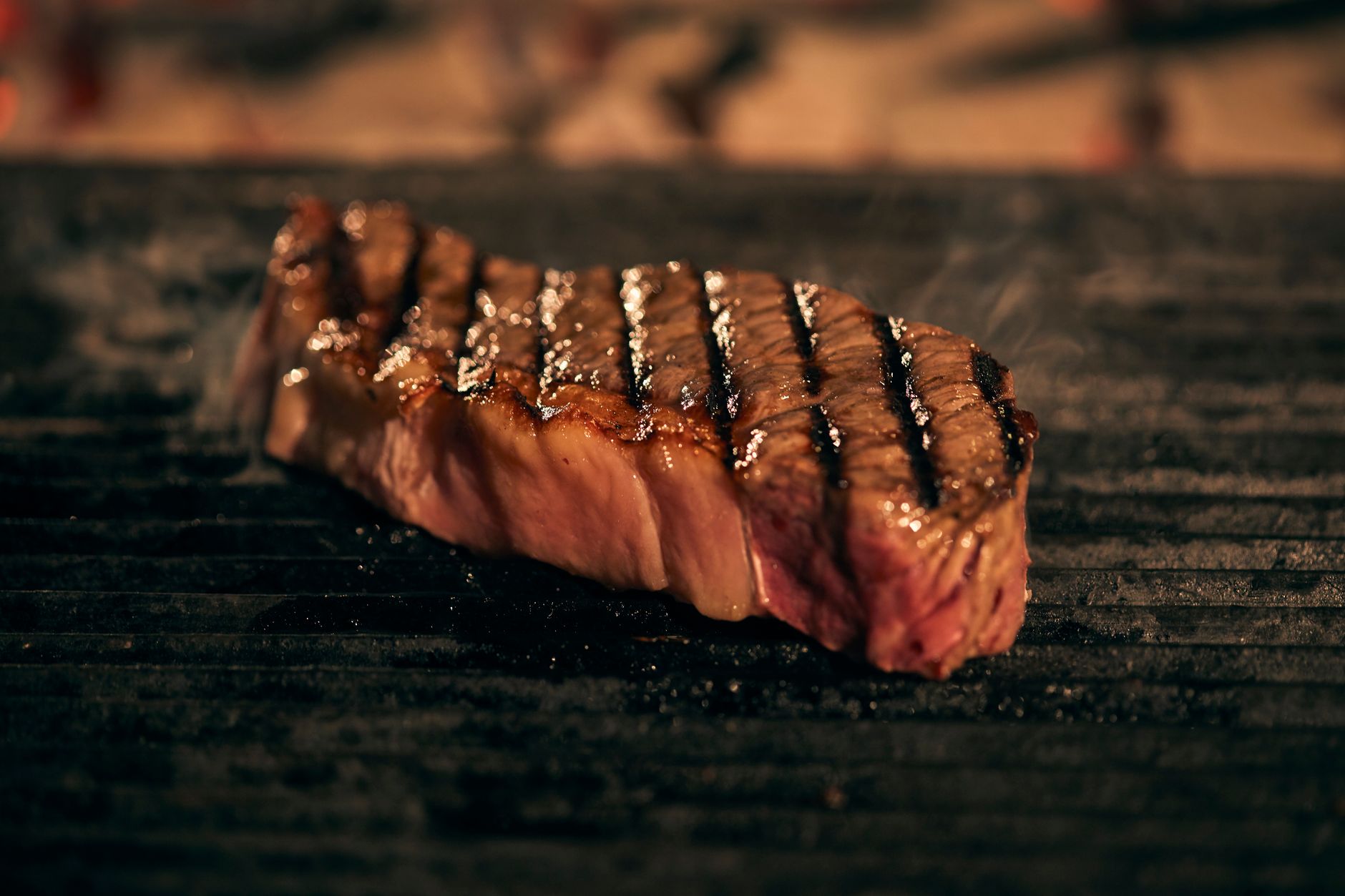
The Best Cuts for Single Serving Steak
For a truly efficient single serving steak cooking experience, selecting the right cut is paramount. You want something that cooks relatively quickly and doesn’t demand excessive grilling time, thus minimizing resource usage.
Excellent choices for cooking steak for one include:
- Sirloin: A versatile, flavorful cut that’s usually thinner and cooks quickly. It offers a good balance of tenderness and beefy taste.
- New York Strip (small cut): While often larger, a thinner or smaller cut of New York Strip can be ideal. It boasts a nice marbling for flavor and good texture.
- Filet Mignon (small cut): If tenderness is your top priority, a smaller medallion of filet is a luxurious, quick-cooking option, though it tends to be pricier.
- Flat Iron: This cut is known for its intense beefy flavor and tenderness when cooked correctly. It’s often available in smaller, manageable portions.
Avoid very thick cuts like a large Tomahawk or Porterhouse, which require extensive cooking and more fuel. The goal here is efficiency and quality for one.
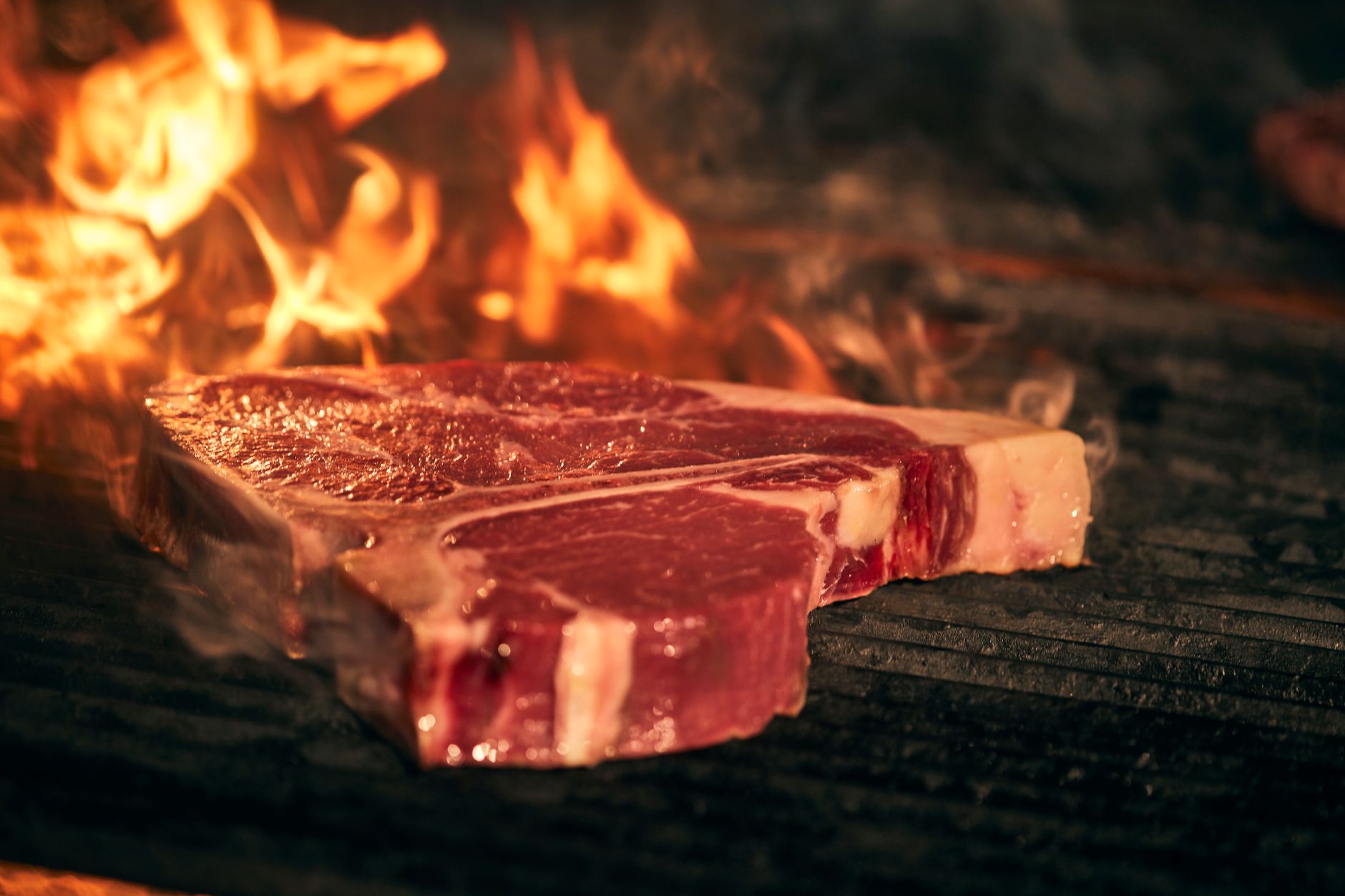
Charcoal-Efficient Grilling Methods
When you’re committed to the flavor of charcoal grilling for a single serving steak, smart fuel management is key. Wasting a whole bag of charcoal for one steak is neither economical nor eco-friendly. Here’s how to achieve that smoky char without the excess:
The secret lies in zone grilling and strategic charcoal placement. Instead of spreading briquettes across the entire grill, concentrate them into a small, focused hot zone.
Charcoal Amount Calculation: For a single steak, you generally only need enough charcoal to create a direct high heat zone roughly the size of your steak, plus a little extra for sustaining the heat. Think of it as a small, tight pile. Depending on the size of your briquettes and an average 8-10 ounce small portion steak, you’ll need approximately 10-15 standard briquettes, or about 1 cup of lump charcoal. This is significantly less than the 50-70 briquettes typically used for a full grill setup. This translates to substantial cost savings over time – if a bag has 100 briquettes, you’re getting 7-10 solo cooks out of a bag, compared to only 1-2 full grill sessions.
- Two-Zone Setup (Miniature Scale): Pile your 10-15 briquettes tightly on one side of your charcoal grill. Once lit and ash-covered, this creates a concentrated high-heat zone. The other side remains a cooler, indirect zone, useful for resting the steak briefly if needed or finishing a slightly thicker cut without burning the exterior.
- Chimney Starter Method: For the ultimate in minimal charcoal grilling efficiency, light your charcoal directly in a chimney starter. Once the coals are fully lit and covered in ash, carefully pour them into a small, tight cluster on one side of your grill. Place the cooking grate directly over this small hot zone. This method ensures all your lit charcoal is working effectively.
This approach isn’t just about saving charcoal; it’s about control. A smaller, hotter zone allows for a quicker, more intense sear, which is often what you’re looking for in a quality steak.

Indoor Cooking Alternatives
Sometimes, weather or convenience dictates moving the single serving steak cooking indoors. Fortunately, several methods deliver exceptional results without a grill in sight, and often with even better resource efficiency.
- Cast Iron Skillet (Recommended for Single Servings): This is arguably the best indoor method for a single steak. A heavy cast iron skillet retains heat incredibly well, allowing you to achieve a beautiful, even crust (Maillard reaction) that rivals an outdoor grill.
Method: Heat your cast iron skillet over high heat until it’s smoking lightly. Add a high smoke point oil (like avocado or grapeseed). Sear your steak for 2-3 minutes per side, then reduce heat and continue cooking, flipping occasionally, until desired doneness. For thicker steaks, you can finish them in a preheated oven (see below).
Cost Efficiency: Uses minimal electricity or gas, often less than heating a full oven. Reusable pan means no ongoing costs for fuel beyond your stovetop, making it highly cost-efficient for a small portion steak.
- Oven (Reverse Sear or Finish): While not ideal for starting a solo steak due to the energy required to heat a whole oven, it’s excellent for finishing thicker cuts or as part of a reverse-sear method.
Method (Reverse Sear): For thicker steaks (over 1.5 inches), cook slowly in a low oven (250°F / 120°C) until about 10-15°F below your target internal temperature. Then, transfer to a screaming hot cast iron skillet to develop a crust. This ensures even cooking from edge to edge.
Method (Finish): If you start a thicker steak in a skillet and want to ensure even cooking without over-searing the exterior, transfer the pan (if oven-safe) or steak to a preheated 375°F (190°C) oven for a few minutes until it reaches desired doneness.
Cost Efficiency: Heating a full oven for a single steak can be less efficient than stove-top cooking if used for the entire duration. Best for finishing only.
- Broiler: A powerful broiler can simulate direct grill heat, offering a quick sear.
Method: Preheat your broiler to high. Place your steak on a broiler pan or wire rack set over a baking sheet, about 4-6 inches from the heat source. Broil for 3-5 minutes per side, depending on thickness and desired doneness. Keep a close eye to prevent burning.
Cost Efficiency: Quick bursts of high heat can be energy efficient for rapid cooking, similar to the initial sear on a stovetop.
Each method offers distinct advantages, but for pure single serving steak cooking, the cast iron skillet often provides the best balance of quality and resource efficiency.
Temperature Guide and Seasoning
Achieving the perfect doneness for your small portion steak relies on accurate temperature monitoring. A good instant-read thermometer is an indispensable tool.
Doneness Temperature Guide (Internal, after resting):
- Rare: 120-125°F (49-52°C) – Cool red center
- Medium-Rare: 130-135°F (54-57°C) – Warm red center (often considered ideal)
- Medium: 135-140°F (57-60°C) – Warm pink center
- Medium-Well: 140-145°F (60-63°C) – Slightly pink center
- Well-Done: 150°F+ (66°C+) – Little to no pink
Remember to pull your steak off the heat 5-10°F (3-6°C) before it reaches your target temperature, as it will continue to cook during the resting period (carryover cooking).
Seasoning Your Small Portion Steak:
Keep it simple for a quality cut. The goal is to enhance, not overpower, the natural beef flavor.
- Classic Salt & Pepper: Generously season both sides of your steak with coarse sea salt and freshly cracked black pepper. Do this at least 15-30 minutes before cooking, or even better, an hour or two in advance (or overnight in the fridge, uncovered). The salt helps tenderize and draw moisture to the surface, forming a better crust.
- Garlic & Herbs: For an extra layer of flavor, consider rubbing with a crushed garlic clove or a sprig of fresh rosemary/thyme during the last minute of cooking in a pan, basting with butter.
- Pro Tip: Avoid seasoning too early with fine table salt, as it can draw out too much moisture. Coarse salt applied 15-30 minutes before or just before cooking is ideal.
Resting and Serving Your Steak
This step is non-negotiable for a juicy, tender single serving steak. Skipping it will result in juices running onto your plate, leaving your steak drier and less flavorful.
Why Resting is Crucial: When steak cooks, the muscle fibers contract and push the juices towards the center. Resting allows these fibers to relax and reabsorb the juices, distributing them evenly throughout the meat. This ensures every bite is succulent.
How to Rest Your Steak:
- Immediately after removing the steak from the heat, transfer it to a warm plate or cutting board.
- Tent loosely with foil. Do not wrap tightly, as this will steam the steak and soften the crust.
- Rest for 5-10 minutes, depending on the thickness of the steak. Smaller, thinner steaks need less time, but never less than 5 minutes.
Once rested, slice your steak against the grain (perpendicular to the direction of the muscle fibers) for maximum tenderness. A drizzle of good olive oil or a knob of compound butter melted over the top adds a final touch of gourmet flair. Enjoy your perfectly cooked, resource-efficient small portion steak!
Frequently Asked Questions
What’s the best cut for single-serving steak?
For efficient and delicious single serving steak cooking, aim for thinner, quick-cooking cuts. Sirloin, a small New York Strip, Flat Iron, or a small medallion of Filet Mignon are excellent choices. They cook quickly, minimizing the charcoal or energy needed.
How much charcoal do you actually need?
You need surprisingly little! For a single steak, concentrating charcoal into a small, tight pile is key for minimal charcoal grilling. Approximately 10-15 standard briquettes, or about 1 cup of lump charcoal, is sufficient to create a high-heat zone for searing and cooking. This significantly reduces waste compared to filling an entire grill.
Can you cook single steak indoors?
Absolutely! Indoor methods are often more resource-efficient for cooking steak for one. A heavy cast iron skillet is highly recommended for achieving a superb crust on the stovetop. You can also use your oven broiler for a quick sear, or the oven itself to finish thicker cuts via a reverse-sear method.
What temperature should steak reach?
The target internal temperature depends on your desired doneness, measured after resting. For Medium-Rare, aim to pull your small portion steak off the heat around 125-130°F (52-54°C), allowing it to rise to 130-135°F (54-57°C) during resting. For Medium, pull around 135-140°F (57-60°C) for a final 140-145°F (60-63°C). Always use an instant-read thermometer for accuracy.
With these practical strategies, you can indulge in the rich flavor of a perfectly cooked single serving steak without the guilt of wasteful grilling. Enjoy your expertly prepared small portion steak, knowing you’ve made an efficient and gourmet choice.











