You’ve just finished a shopping trip, comparing your receipt to your budget, and a common question pops into mind: how do some grocery stores manage to offer such dramatically lower prices than others? It’s a relatable scenario, especially when navigating today’s economic landscape where every dollar counts at the checkout. For many shoppers, ALDI has emerged as a surprising contender against established giants, leaving many to wonder: why ALDI prices cheaper than Walmart?
ALDI, a German-born discount grocery chain, has quietly expanded its footprint across the United States, captivating consumers with its no-frills approach and unbelievably low prices. While Walmart is known for its “Everyday Low Prices,” ALDI consistently beats them on many staples. This isn’t just about sales or temporary promotions; it’s a deeply ingrained strategy. Let’s delve into the unique ALDI business model and explore the intelligent operational choices that allow it to consistently outsmart retail giants in the grocery store pricing strategy game.
The Limited SKU Strategy
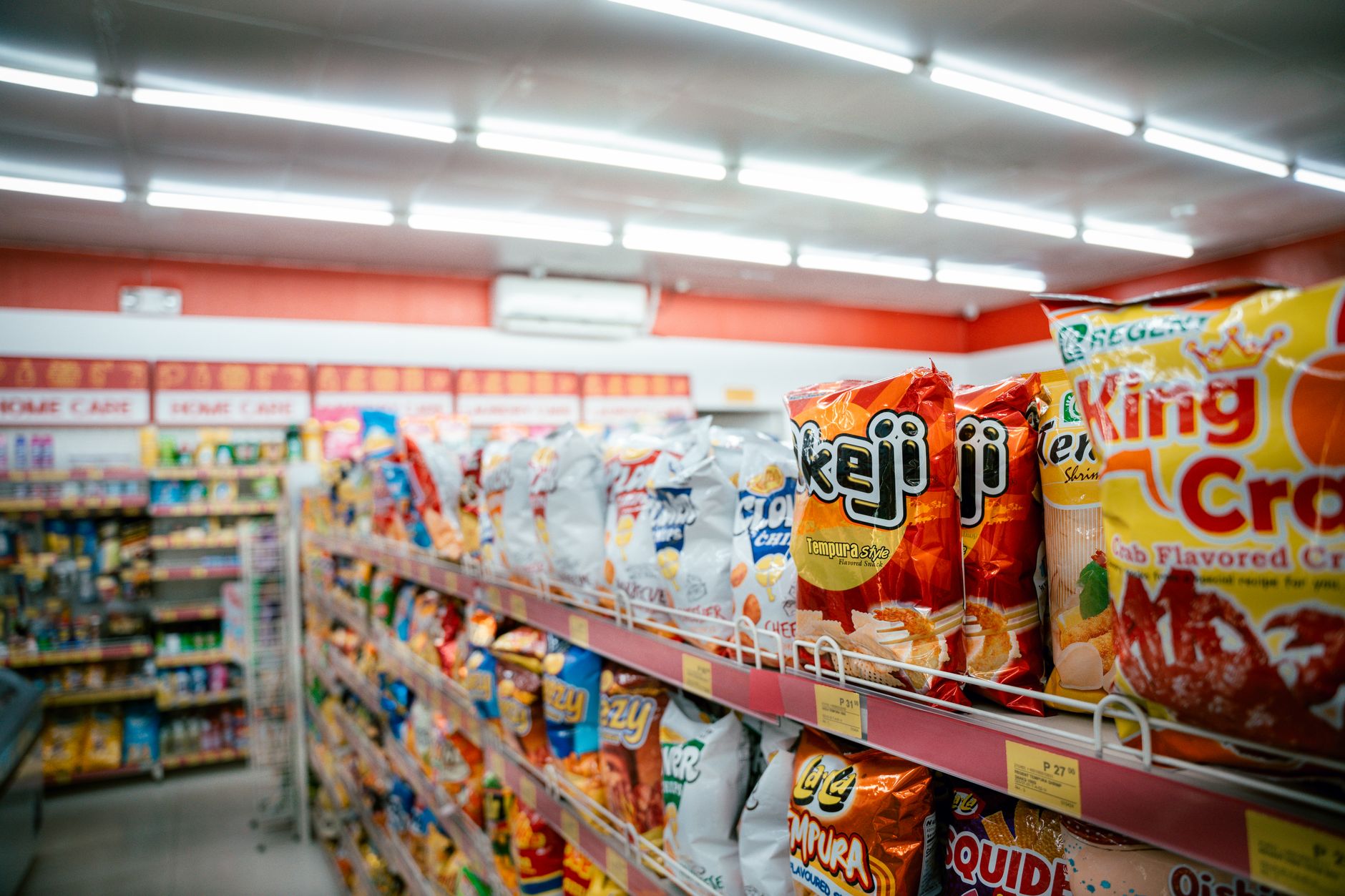
One of the most striking differences you’ll notice upon entering an ALDI store is its curated product selection. Unlike a typical Walmart Supercenter that might stock upwards of 100,000 individual items (SKUs), an ALDI store typically carries a mere 1,200 to 1,500 SKUs. This isn’t an accident; it’s a foundational pillar of their cost-saving strategy.
By offering only one or two options for most common items (e.g., one type of ketchup instead of five different brands), ALDI drastically reduces complexity. This translates to simpler inventory management, less warehouse space, faster stocking times, and fewer ordering errors. For the consumer, it means less decision fatigue and a quicker shopping experience. Walmart’s strategy, by contrast, is to offer extensive choice, which inherently requires more space, more complex logistics, and more staff to manage the vast inventory.

Heavy Private Label Focus
Walk down any aisle at ALDI, and you’ll find that approximately 90% or more of the products are ALDI-exclusive private labels, such as Simply Nature, specially selected, or Millville. This is a critical factor in understanding why ALDI prices cheaper than Walmart.
Private label goods eliminate the “brand tax” – the significant costs associated with national brand advertising, marketing, and distribution. ALDI works directly with manufacturers to produce these items, cutting out middlemen and their markups. They also avoid slotting fees that national brands pay to be placed on prime shelves in stores like Walmart. While Walmart also has its successful Great Value private label, it still dedicates substantial shelf space and resources to promoting hundreds of national brands, incurring costs that ALDI simply doesn’t.

Store Format and Overhead Efficiency
ALDI stores are designed for maximum efficiency. They are typically much smaller, ranging from 10,000 to 12,000 square feet, compared to the sprawling 100,000 to 200,000 square feet of a Walmart Supercenter. This smaller footprint means lower rent, reduced utility bills (less lighting, heating, and cooling), and less maintenance.
The interior design is intentionally minimalist, resembling a warehouse rather than a traditional supermarket. Products are often displayed in their original shipping cartons directly on shelves, eliminating the need for extensive unpacking and merchandising. You won’t find in-store bakeries, delis, pharmacies, or banking services – all common features at Walmart that add significant operational overhead. This lean approach to store format is a cornerstone of ALDI’s competitive grocery store pricing strategy.
Supply Chain Optimization
The origins of ALDI’s efficiency date back to post-World War II Germany, where brothers Karl and Theo Albrecht founded the company on principles of extreme cost-cutting. This philosophy is deeply embedded in their supply chain. ALDI sources many products directly from manufacturers, often forming long-term partnerships that ensure consistent quality and favorable pricing. Their limited SKU strategy further streamlines the supply chain; fewer products mean less complexity in ordering, warehousing, and transportation.
ALDI’s logistics are built for speed and simplicity. Goods arrive at stores on pallets that are often rolled directly onto the sales floor, reducing stocking time significantly. They also encourage customers to bring their own bags (or purchase reusable ones) and rent shopping carts for a quarter, which is refunded upon return. These small shifts in operational burden to the customer contribute to overall labor and overhead savings that Walmart, with its more traditional full-service model, largely absorbs.
Staffing and Labor Model
Walk into an ALDI during peak hours, and you’ll notice fewer employees compared to a Walmart. An ALDI store might operate with just 5-10 employees at any given time, whereas a Walmart Supercenter employs hundreds. ALDI’s staff are highly efficient and cross-trained, meaning a single employee might stock shelves, run the register, and clean the store within the same shift. Their cashiers are famously fast, often trained to scan items at remarkable speeds, and with most items having large, easy-to-scan barcodes. Customers also bag their own groceries, further reducing checkout time and labor needs.
While employing fewer people, ALDI is known for paying its staff above industry average wages and offering good benefits, which helps reduce turnover and attract highly productive employees. This focused labor model significantly contributes to why ALDI prices cheaper than Walmart, as labor costs are a substantial component of any retail business.
Real Estate Strategy
ALDI’s approach to real estate is another key factor in its low-cost model. Because their stores are smaller and simpler in design, they require less land and can be built more quickly and cheaply. ALDI often opts for smaller, less prominent parcels of land compared to Walmart, which typically seeks out large, high-traffic locations for maximum visibility and accessibility for its vast number of departments.
By avoiding prime, high-cost real estate and investing in functional, no-frills construction, ALDI keeps its property-related overhead remarkably low. This frugality extends to every aspect of their physical presence, ensuring that every square foot is optimized for selling groceries, not for elaborate displays or extensive parking lots.
Quality Control Without Premium Pricing
Despite the incredibly low prices, ALDI doesn’t compromise on quality. They rigorously test their private label products, often benchmarking them against national brands to ensure they meet or exceed customer expectations. Their “Twice as Nice” guarantee – where they replace the product and refund your money if you’re not satisfied – underscores their confidence in their offerings.
The savings ALDI passes on to customers come from their operational efficiencies, lean business model, and direct sourcing, not from cutting corners on ingredients or product quality. This commitment allows them to offer a competitive grocery store pricing strategy without sacrificing consumer trust.
Here are some pro tips for maximizing your ALDI shopping experience:
- Always bring a quarter for the shopping cart and reusable bags (or be prepared to purchase some).
- Plan your meals around ALDI’s curated selection; don’t expect to find every single niche item.
- Look for the weekly “ALDI Finds” aisle for surprising deals on non-grocery items and seasonal goods.
Frequently Asked Questions
Is ALDI’s lower quality or just lower markup?
ALDI’s lower prices are primarily due to its lower markup and incredibly efficient operational model, not lower quality. They achieve savings by focusing heavily on private labels (cutting out marketing and distribution costs for national brands), streamlining their supply chain, utilizing smaller store formats, and employing a highly productive labor model. ALDI prides itself on rigorously testing its products to ensure they meet or exceed the quality of comparable national brands.
How does ALDI keep overhead costs so low?
ALDI keeps overhead costs low through a combination of strategies. This includes their limited SKU strategy, which reduces inventory complexity; heavy reliance on private labels, eliminating brand marketing costs; smaller, no-frills store formats that require less rent, utilities, and maintenance; a highly optimized supply chain with direct sourcing; and an efficient staffing model where fewer, cross-trained employees handle multiple tasks. Even small details, like requiring customers to rent carts and bag their own groceries, contribute to these savings.
Are ALDI products as good as name brands?
Many consumers find ALDI’s private label products to be comparable to, and often even better than, national name brands. ALDI actively benchmarks its products against leading brands and frequently wins awards and positive reviews for its items. While individual preferences vary, the general consensus is that ALDI offers excellent quality for its price point. Their “Twice as Nice” guarantee further demonstrates their confidence in their products’ quality.
Why doesn’t Walmart match ALDI’s prices?
Walmart operates on a fundamentally different business model. While Walmart aims for “Everyday Low Prices” and leverages its massive scale for purchasing power, it also offers a vast selection of national brands (which come with higher inherent costs), provides a full-service shopping experience with numerous departments (pharmacy, auto, apparel, electronics), and maintains larger, more amenity-rich stores. To truly match ALDI’s prices across the board, Walmart would have to overhaul its entire operational structure, which would mean sacrificing its extensive product range and customer services—core components of its brand identity and appeal.
Ultimately, ALDI’s success is a masterclass in operational efficiency and a focused grocery store pricing strategy. By stripping away non-essential costs at every turn, they’ve created a lean, mean grocery machine that directly benefits consumers looking for significant savings on their weekly shop, truly answering why ALDI prices cheaper than Walmart.











