—
Introduction
When it comes to comfort food, it’s hard to overlook two crowd favorites: chili and stew. You might find yourself asking, what’s the difference between chili and stew? Aren’t they just thick, hearty bowls of goodness? Well, let’s dig into this delicious topic. Both dishes have their unique characteristics that set them apart. We’ll explore their textures, cooking methods, and ingredients to help you understand these comforting classics better.
Texture and Consistency

One of the first things you’ll notice when comparing chili and stew is their texture.
Characteristics of Soup
While soup usually sets the stage for our discussion, it’s essential to understand its role. Soups can be light and refreshing, often with a thinner consistency. They’re made predominantly of liquid and can range from broth to creamy textures. Think of classic chicken noodle soup or a hearty tomato bisque.
Characteristics of Stew
Now, let’s pivot to stew. Stews are heartier and their consistency is definitely thicker. They are packed with larger chunks of meat and vegetables. As I often enjoy saying, a good stew feels like a hug in a bowl. The prolonged cooking time allows the flavors to meld beautifully, making every bite underlined with comforting warmth.
Characteristics of Chili
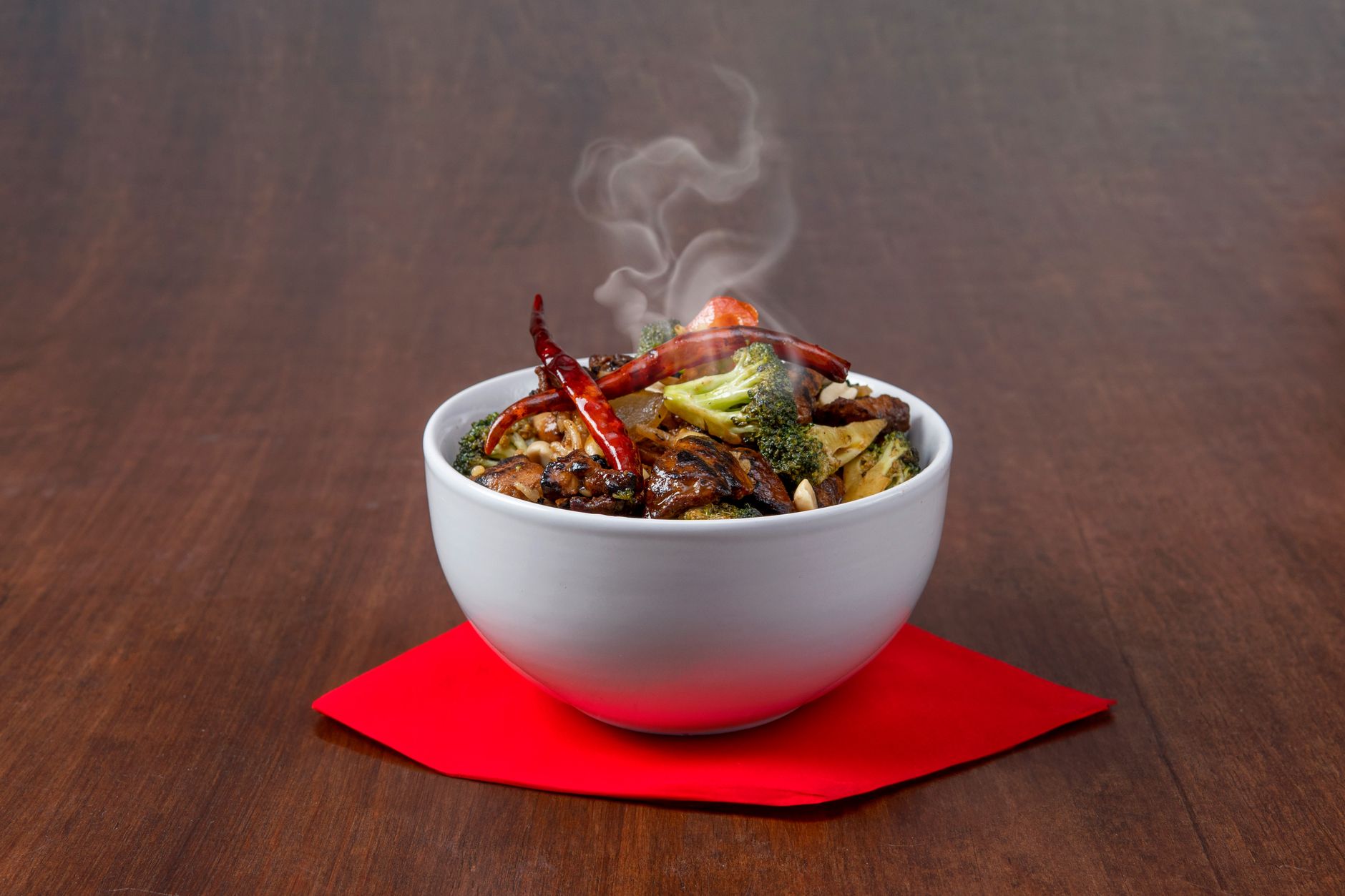
Chili, on the other hand, walks a fine line. While it shares some similarities with stew, chili typically features a more robust flavor profile. It’s thicker than most soups and even some stews. The key difference lies in the spices and the ingredients, often rich with beans, meat, and seasoning. For a savory example, think about a spicy chili con carne. The distinction isn’t just in texture; it’s also about the heartiness that chili brings to the table.
Cooking Methods

Understanding the cooking methods can help clarify the distinctions between these hearty dishes.
Preparation of Soup
Soups can often be quickly prepared, cooking in a matter of minutes. It’s as simple as bringing ingredients to a boil and allowing them to simmer. You can experiment with flavors, and in no time, you’ll have a delightful soup that warms the soul.
Preparation of Stew
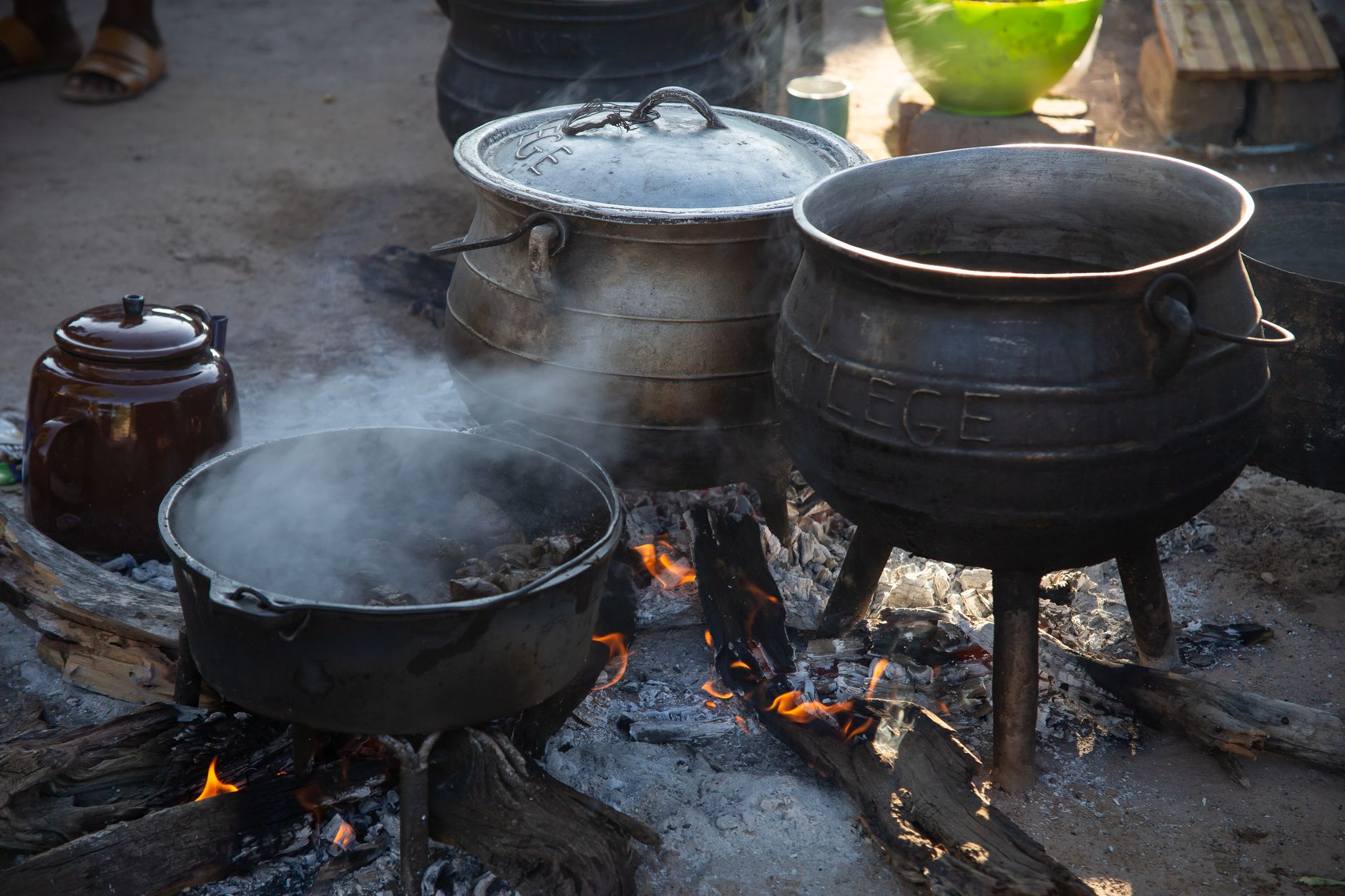
Stews require more attention. Typically, they need a longer cooking time to get the meat tender and allow all the flavors to blend together. I often prefer to throw ingredients in my slow cooker and let it do the magic—forgetting about it for a few hours. The result? A thick, hearty stew that feels like home.
Preparation of Chili
Chili is unique in its approach. While I’ve made some quick versions, traditional chili calls for simmering as well. The key here is allowing those spicy flavors to develop fully. I might take a lean ground beef or chunks of meat, toss in beans, and let it all bubble together with my favorite spices for at least an hour.
Ingredients

Let’s dive into what goes into each dish because the ingredients play a significant role in defining them.
Common Ingredients in Soup
Soups can be pretty flexible. You can use vegetables, grains, meats, or even keep it vegetarian with beans and lentils. Here’s what I often have in my soup pot:
– Carrots
– Onions
– Celery
– Chicken or vegetable broth
– Different spices to enhance the flavor
Common Ingredients in Stew
Stew ingredients are heartier and more robust. I like to include:
– Beef or chicken (often tougher cuts that benefit from slow cooking)
– Potatoes
– Carrots and other hearty vegetables
– Herbs like thyme and bay leaf
– A bit of red wine for depth of flavor
Common Ingredients in Chili
Chili often resembles a stew but with a twist. Key ingredients I frequently use include:
– Ground beef or turkey
– A variety of beans (like kidney or black beans)
– Tomatoes (diced or paste)
– Chili powder and other spices that give it that kick
– Onions and bell peppers for sweetness
Cultural Variations
When you travel the world, you’ll find unique takes on soups, stews, and chilies that reflect regional flavors.
Different Soups Around the World
From *Minestrone* in Italy to *Tom Yum* in Thailand, every culture has its version of soup. They vary widely in flavors, ingredients, and textures, giving you a lot of options when it comes to comfort.
Different Stews Across Cultures
The good news is that stews have cultural variations, too! Take the French *Bouef Bourguignon*, for instance, or the *Irish Beef Stew*. Each region adds its unique flair, making it fascinating to explore.
Variants of Chili in Various Regions
Chili also varies—did you know some regions prefer their chili with beans while others don’t? You’ll find variations like Texas Chili, which is typically bean-free, focusing solely on meat and spices. It’s amazing how a single dish can take on a life of its own depending on where you are!
Conclusion
Now that we’ve explored what’s the difference between chili and stew, I hope you have a clearer picture of their unique traits. Whether you’re in the mood for a spicy chili or a comforting stew, both options offer something delicious on your plate. Feel free to share your thoughts, experiences, or any other questions in the comments section! For more culinary insights, you can always visit us at larrealasvegas.com.