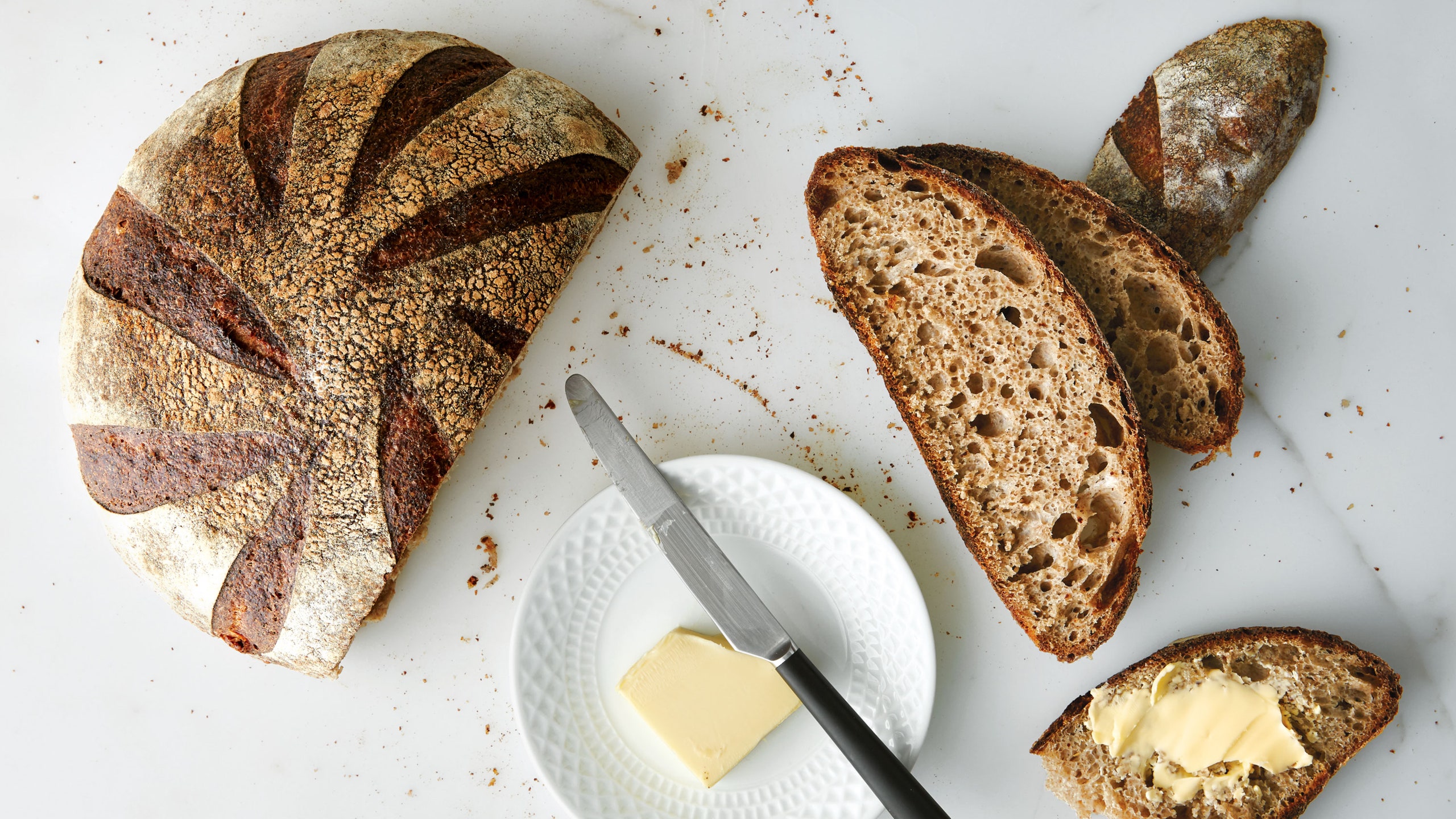
Why Baking Doesn’t Destroy Sourdough Bread
Sourdough bread is a beloved staple in many households, known for its tangy flavor, chewy texture, and distinctive crust. One intriguing aspect of sourdough bread is its resilience to high temperatures during the baking process. Despite being subjected to intense heat in the oven, sourdough bread maintains its unique characteristics and doesn’t get destroyed in the baking process.
The Science Behind Sourdough Bread
Unlike conventional bread made with commercial yeast, sourdough bread is leavened using a natural fermentation process. The key player in sourdough fermentation is a symbiotic culture of yeast and lactic acid bacteria, known as a sourdough starter. This starter provides the bread dough with the necessary leavening agents, creating bubbles that give the bread its airy texture and distinct taste.
Sourdough’s Resistance to High Temperatures
One of the reasons sourdough bread doesn’t get destroyed in the baking process is the presence of this robust microbial community within the dough. The yeast and lactic acid bacteria in the sourdough starter are incredibly resilient and can survive and thrive in high-temperature environments. As the bread bakes, these microorganisms continue to produce carbon dioxide gas, allowing the dough to rise and maintain its structure.
The Maillard Reaction
Another factor that contributes to the unique properties of sourdough bread during baking is the Maillard reaction. This chemical reaction occurs between amino acids and reducing sugars in the dough when exposed to heat. The Maillard reaction is responsible for the browning of the crust, the development of complex flavors, and the formation of a crispy exterior while preserving the moist and tender crumb inside.
Starter’s pH Level
Additionally, the acidic environment created by the lactic acid bacteria in the sourdough starter plays a crucial role in the baking process. The low pH level of the dough, resulting from lactic acid fermentation, strengthens the gluten network, improving the dough’s structure and enhancing its ability to retain gas bubbles during baking.
Conclusion
In conclusion, sourdough bread’s resistance to high temperatures during baking can be attributed to the unique interplay of microbial activity, the Maillard reaction, and the acidic environment created by the sourdough starter. These factors work together to preserve the integrity of the bread, resulting in a delicious, aromatic, and beautifully textured loaf that delights bread enthusiasts around the world.
For more culinary insights and delightful recipes, visit the Larrea Las Vegas homepage.











