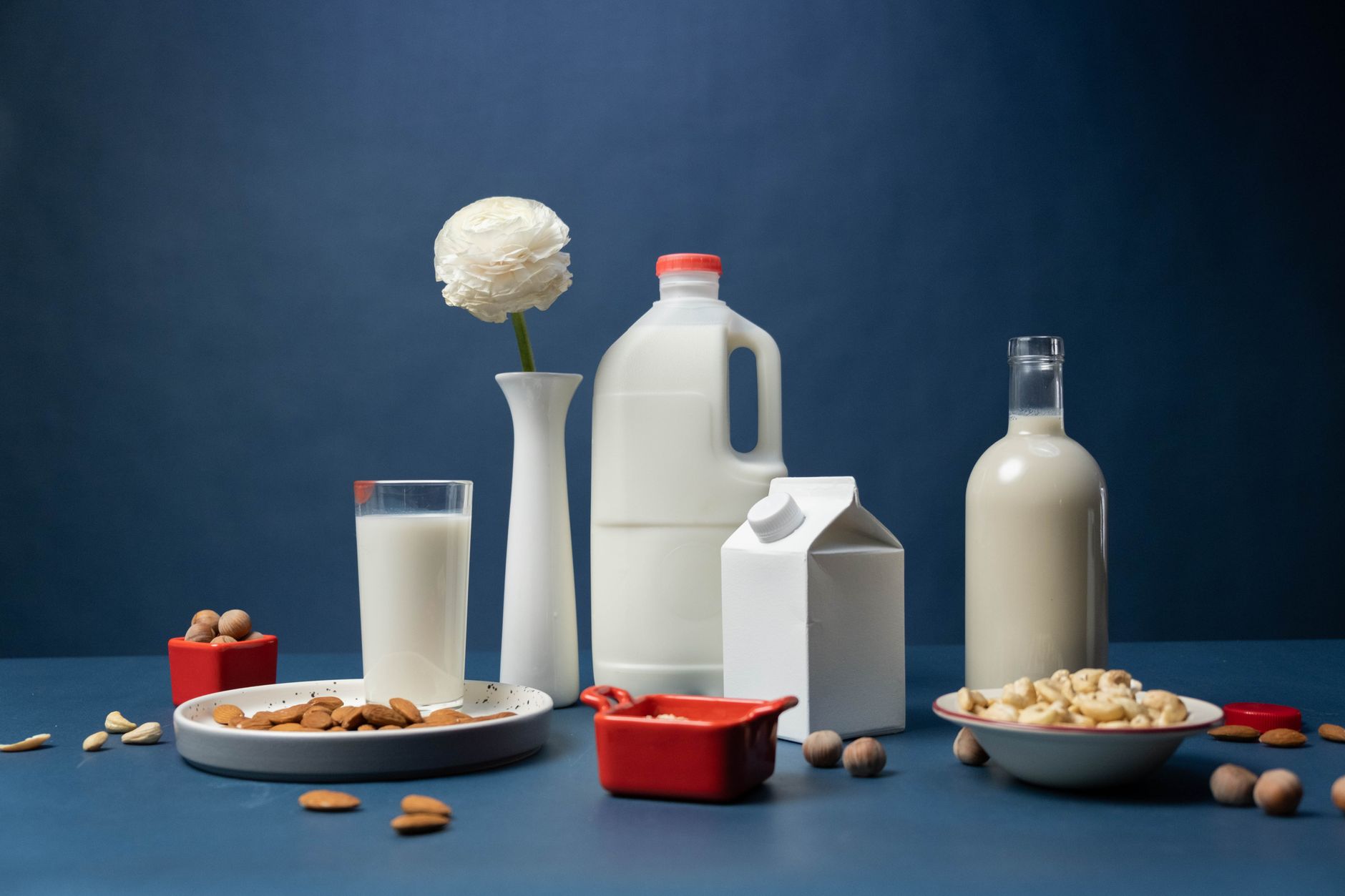
Imagine strolling through a bustling farmers market, admiring fresh produce, artisanal cheeses, and perhaps, a neatly labeled bottle of “raw milk.” For many, the sight might spark curiosity: What exactly is raw milk, and why is its availability so varied across the United States? While it conjures images of rustic simplicity and natural goodness, the legal landscape surrounding unpasteurized milk is complex, shaped by decades of scientific research and public health concerns. Understanding the nuances of raw milk legality, its safety implications, and the reasons behind its regulation is crucial for making informed choices about your dairy consumption.

Why the FDA Banned Raw Milk at the Federal Level
The journey of milk from farm to table has been profoundly influenced by pasteurization, a process developed in the 19th century. In the U.S., the Food and Drug Administration (FDA) prohibits the interstate sale of raw milk. This federal ban, in place since 1987, is rooted in a long history of milk-borne illnesses. Before widespread pasteurization, milk was a common vehicle for dangerous bacteria, leading to outbreaks of diseases like tuberculosis, diphtheria, and typhoid fever.
Pasteurization involves heating milk to a specific temperature for a set period—for example, 161°F (71.7°C) for 15 seconds (High-Temperature Short-Time pasteurization) or 145°F (63°C) for 30 minutes (Batch pasteurization). This process effectively kills harmful bacteria, yeasts, and molds without significantly altering the milk’s nutritional value or flavor. The FDA and Centers for Disease Control and Prevention (CDC) consistently advocate for pasteurization as the most effective method to ensure milk safety, citing raw milk as a potential source of serious bacterial infections (FDA, CDC).

State-by-State Raw Milk Legality
Despite the federal ban on interstate sales, states have the authority to regulate raw milk sales within their borders. This has led to a patchwork of regulations, making raw milk legality by state highly variable. Consumers interested in purchasing raw milk must be aware of their specific state’s unpasteurized milk regulations.
Here’s a general overview of raw milk legality across the U.S. (note: regulations can change, always check local laws):
-
Legal for Retail Sale:
States where raw milk can generally be purchased in grocery stores or directly from farms (with varying regulations and permits). Examples include: Arizona, California, Connecticut, Idaho, Maine, Maryland, Massachusetts, Nevada, New Hampshire, New Mexico, New York (farm only), Pennsylvania, South Carolina, South Dakota, Utah, Vermont, Washington, Wyoming.
-
Legal Only Through Herd Share Agreements:
In these states, consumers typically “buy into” a portion of a dairy animal or herd and receive raw milk as a “return on investment,” skirting direct sales prohibitions. Examples include: Alaska, Colorado, Delaware, Iowa, Kansas, Kentucky, Michigan, Montana, Nebraska, North Dakota, Ohio, Oklahoma, Tennessee, Texas, West Virginia, Wisconsin.
-
Legal for On-Farm Sales Only:
Raw milk can be sold directly from the farm where it was produced, often with specific labeling requirements or quantity limits. Examples include: Arkansas, Florida, Illinois, Indiana, Louisiana, Minnesota, Missouri, North Carolina, Oregon, Rhode Island, Virginia.
-
Illegal for Sale:
Raw milk sales are generally prohibited in these states, regardless of the method. Examples include: Alabama, Georgia, Hawaii, New Jersey.
Documented Health Risks and Bacterial Contamination
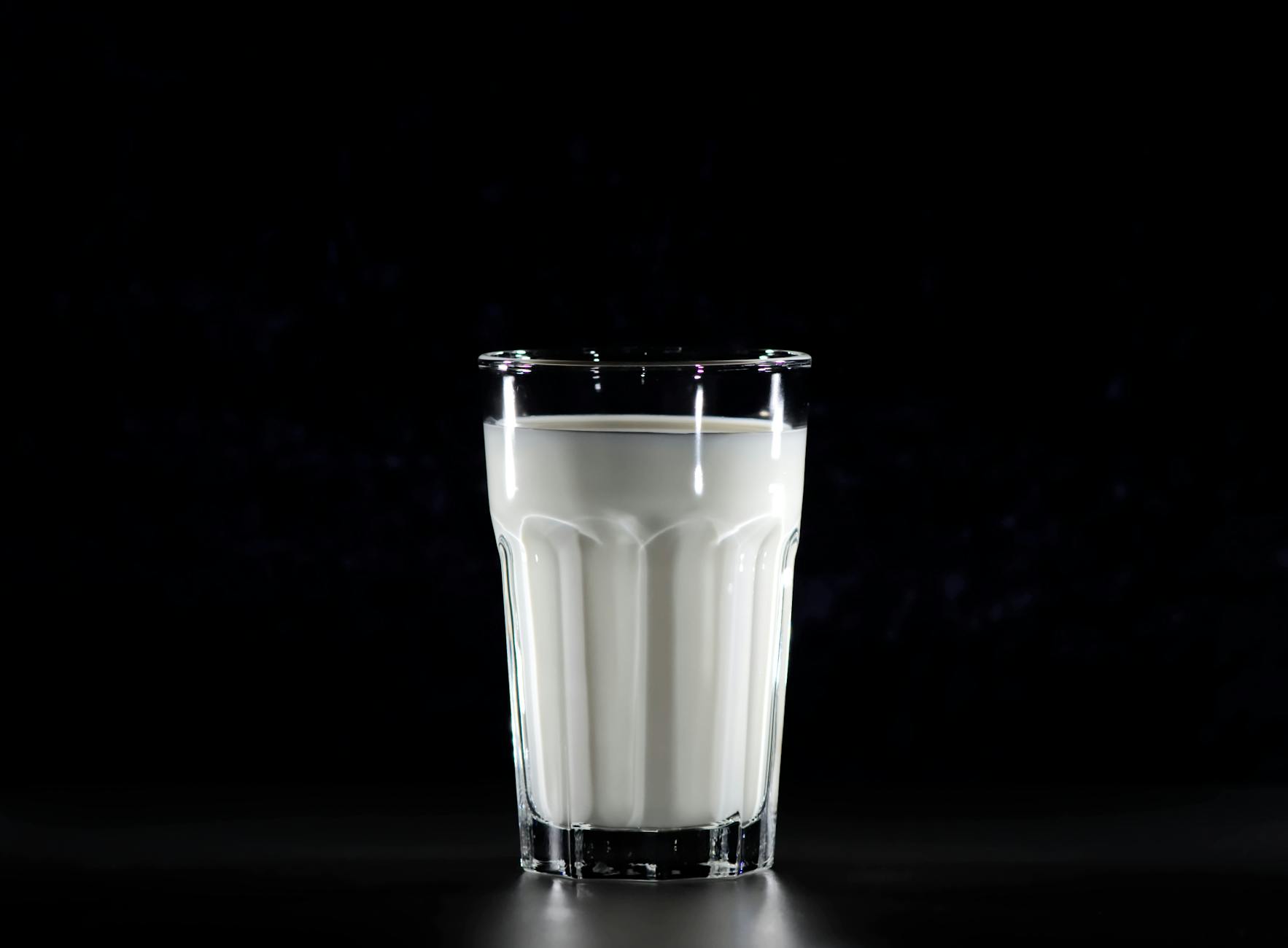
The primary concern with raw milk is the presence of harmful bacteria that can cause severe illness. Unlike pasteurized milk, which undergoes a heat treatment to eliminate pathogens, raw milk retains any bacteria present in the cow’s udder or introduced during milking, handling, or storage. The CDC reports that raw milk is 150 times more likely to cause foodborne illness than pasteurized milk products.
Key bacterial contamination risks include:
- E. coli O157:H7: Can cause severe abdominal cramps, bloody diarrhea, and potentially life-threatening kidney failure (hemolytic uremic syndrome).
- Salmonella: Leads to fever, diarrhea, abdominal cramps, and can be particularly dangerous for vulnerable populations.
- Listeria monocytogenes: Can cause fever, muscle aches, headache, stiff neck, confusion, loss of balance, and convulsions. It’s especially dangerous for pregnant women, potentially leading to miscarriage or stillbirth, and for newborns and people with weakened immune systems.
- Campylobacter: A common cause of diarrheal illness, characterized by fever, abdominal cramps, and bloody diarrhea.
- Brucella: While less common in the U.S. due to eradication efforts, it can cause debilitating symptoms like fever, sweats, headaches, muscle pain, and fatigue.
These bacteria can be present even in milk from healthy animals in clean environments, as they can originate from the cow’s feces or hide and contaminate the milk during the milking process. The raw milk health risks are significant and well-documented by public health organizations.
Raw Milk Claimed Benefits vs. Scientific Evidence
Proponents of raw milk often claim it offers superior health benefits compared to pasteurized milk. These purported advantages frequently include:
- Better Digestion: Claims that raw milk contains enzymes and beneficial bacteria (probiotics) that aid digestion, particularly for those with lactose intolerance.
- Enhanced Nutrient Absorption: Belief that pasteurization destroys vitamins and minerals, while raw milk retains them in their “natural” form, making them more bioavailable.
- Immune System Boost: Some suggest raw milk can reduce allergies and asthma due to its unique protein structures and beneficial bacteria.
However, scientific evidence largely refutes these claims. Pasteurization has minimal impact on the nutritional value of milk. Key vitamins like calcium and vitamin D are not significantly affected. While some heat-sensitive enzymes are deactivated, these enzymes are generally destroyed by stomach acid anyway and do not provide unique digestive benefits. Furthermore, while raw milk may contain some beneficial bacteria, it also poses the risk of containing harmful pathogens, outweighing any potential probiotic benefits.
For those with lactose intolerance, consuming raw milk often provides no relief, as it still contains significant amounts of lactose. Studies purporting raw milk’s benefits for allergies or asthma are often observational and lack robust scientific methodology, failing to establish causation and often overlooking the inherent raw milk health risks.
Vulnerable Populations and Raw Milk Consumption
For certain groups, the risks associated with raw milk consumption are even higher. The CDC strongly advises against raw milk for:
- Infants and young children: Their immune systems are still developing, making them more susceptible to severe infections.
- Pregnant women: Listeria infection, for example, can lead to miscarriage, stillbirth, premature delivery, or life-threatening infection of the newborn.
- Older adults: Their immune systems may be weaker, increasing the risk of serious illness and complications.
- Individuals with weakened immune systems: This includes people with HIV/AIDS, cancer, organ transplant recipients, or those taking immunosuppressant medications. For these individuals, even a mild infection can become life-threatening.
For these vulnerable populations, avoiding raw milk is a critical step in preventing severe foodborne illnesses.
Legal Alternatives to Commercial Raw Milk
For those seeking dairy options that align with a “natural” or less processed philosophy, but without the significant raw milk health risks, there are several legal and safe alternatives:
- Pasteurized Milk: The safest and most widely available option. Many brands offer organic, grass-fed, or minimally processed varieties that undergo pasteurization but maintain desired quality standards.
- Fermented Dairy Products: Yogurt, kefir, and cultured buttermilk are excellent sources of probiotics and beneficial bacteria. The fermentation process makes these products safer and often easier to digest for some individuals.
- Goat or Sheep Milk: These are also available pasteurized and offer different flavor profiles and nutritional compositions for those looking to diversify their dairy intake.
When considering raw milk benefits risks, these alternatives provide a path to enjoying dairy’s nutritional advantages without compromising safety.
Frequently Asked Questions
Is raw milk actually illegal in all states?
No, raw milk is not illegal in all states. While the federal government bans its interstate sale, states have varying laws regarding intrastate sales. Some states permit retail sales in stores, others allow direct sales from farms, and many permit sales only through “herd share” agreements. A few states prohibit raw milk sales entirely. This patchwork of unpasteurized milk regulations means consumers must check their specific state’s laws.
What are the proven health risks of drinking raw milk?
The proven health risks of drinking raw milk primarily stem from bacterial contamination. These include severe illnesses caused by pathogens like E. coli O157:H7, Salmonella, Listeria monocytogenes, and Campylobacter. Symptoms can range from severe diarrhea and vomiting to kidney failure, paralysis, miscarriage, and even death, especially in vulnerable populations. These raw milk health risks are well-documented by the FDA and CDC.
Can raw milk be safe if properly handled?
While strict hygiene practices on farms can reduce the risk of contamination, they cannot eliminate it entirely. Even milk from healthy, clean cows, handled with the utmost care, can still harbor dangerous bacteria. There is no reliable way for consumers to determine if raw milk is safe simply by looking at or smelling it. Pasteurization remains the only effective method to guarantee milk safety by eliminating harmful pathogens.
What states allow raw milk sales?
Many states allow some form of raw milk sales. For example, states like California, Arizona, and Pennsylvania generally permit retail sales. States such as Colorado, Michigan, and Texas often allow raw milk only through herd share agreements. Others, like Florida and Oregon, permit direct sales from the farm. However, regulations are complex and vary, so it’s essential to consult your specific state’s department of agriculture or health for the most current information on raw milk legality by state.
- Pro Tip 1: Always check your local and state health department websites for the most current and specific unpasteurized milk regulations before purchasing raw milk.
- Pro Tip 2: If you’re concerned about additives or processing in conventional dairy, explore organic, grass-fed, or minimally processed pasteurized milk options.
- Pro Tip 3: For probiotic benefits, prioritize fermented dairy products like yogurt and kefir, which offer beneficial bacteria without the raw milk health risks.
Making informed dairy choices means weighing the desires for “natural” foods against the science-backed realities of food safety. Prioritizing pasteurized dairy products is the safest path to enjoying milk’s nutritional benefits without unnecessary raw milk health risks.