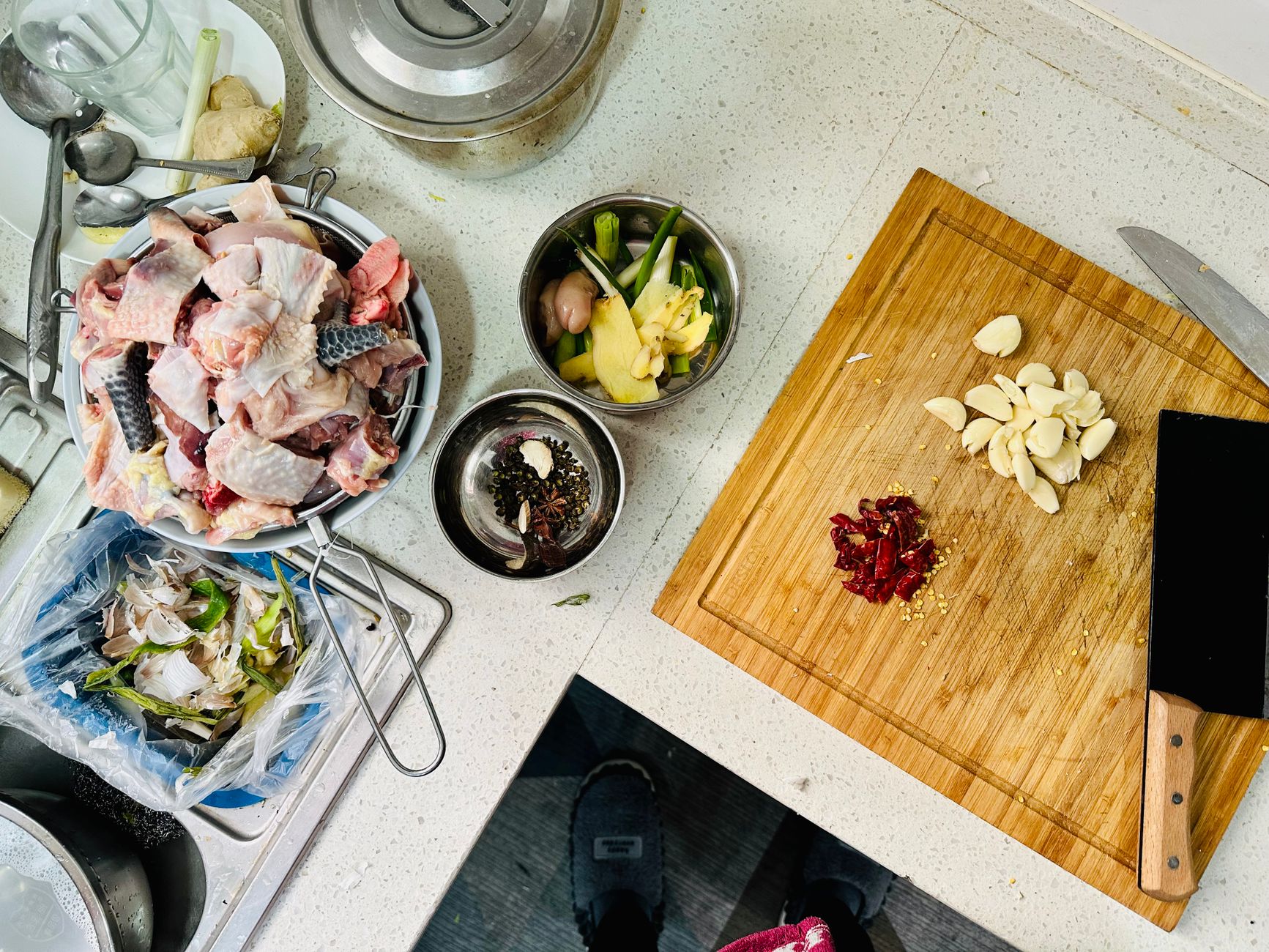
Ever found yourself tossing out a half-eaten bag of spinach, a forgotten bell pepper, or a small block of cheese that went bad too soon? For those living solo, this scenario is all too common. It can feel like an endless cycle of overbuying, food spoiling, and then feeling frustrated about the wasted money and resources.

Planning Your Weekly Meals
The foundation of successful grocery shopping for one person is effective meal planning. Instead of aimlessly browsing the aisles, start with a clear vision of what you’ll eat throughout the week. This isn’t about rigid adherence but smart preparation.
- Backward Plan: Start by deciding on 3-5 main meals you want to eat. Then, list all the ingredients needed for those specific dishes. Think about how ingredients can overlap. For example, if you buy a head of broccoli, can you roast some for dinner on Monday and add the rest to a stir-fry on Wednesday?
- Embrace Versatile Ingredients: Focus on ingredients that can be used in multiple ways. A pack of chicken breasts can become grilled chicken salad, chicken fajitas, or a quick chicken pasta. A block of cheddar cheese can top tacos, be melted in an omelet, or accompany crackers for a snack.
- Factor in Leftovers: Planning for 2-3 servings per meal isn’t wasteful if you strategically incorporate leftovers. A hearty stew or chili can provide 2-3 easy lunches or dinners, saving you cooking time later in the week.
- Know Your Schedule: Are you busy with work some nights? Plan for quick meals or pre-prepped components on those days. Save more involved recipes for evenings when you have more time.
Pro Tip: Dedicate 15-20 minutes each week, perhaps on a Sunday, to map out your meals. This small investment of time will save you hours, stress, and money in the long run.
Smart Shopping List Strategies
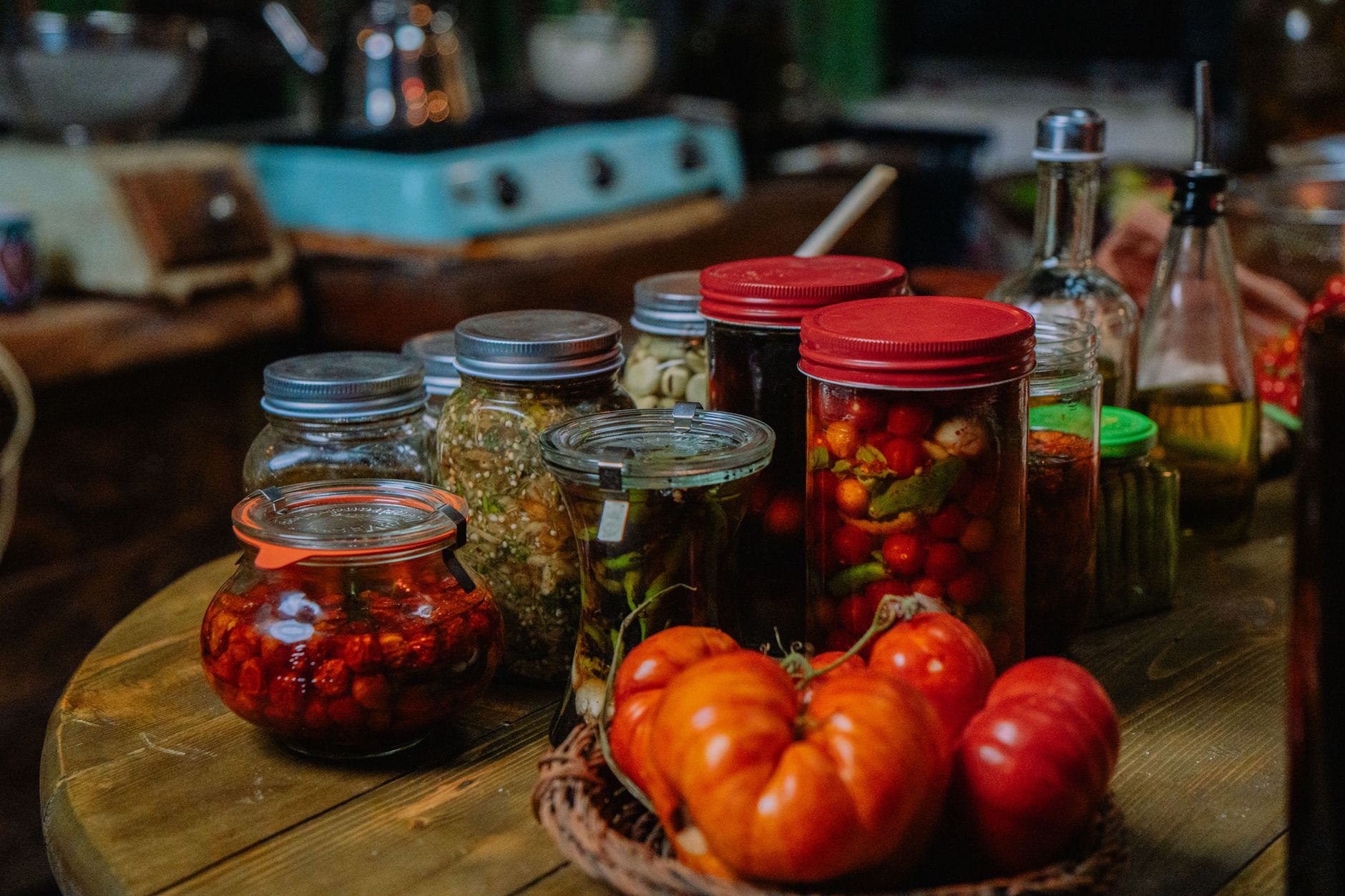
Once your meal plan is solid, creating a meticulous shopping list is the next crucial step in preventing food waste. This list will be your compass during your grocery shopping for one person expedition.
- Check Your Pantry First: Before adding anything to your list, do a quick inventory of your fridge, freezer, and pantry. You might already have canned goods, spices, or even half a bag of pasta that can be incorporated into your meal plan.
- Prioritize Perishables: List fresh produce, dairy, and meat first, along with their exact quantities. Be realistic about how much you’ll actually consume before it spoils. For example, instead of a whole bag of oranges, maybe just buy 2-3.
- Avoid Impulse Buys: Stick to your list! Grocery stores are designed to encourage extra purchases, but with a clear plan, you can navigate aisles efficiently and resist temptations that lead to waste.
- Think “Smallest Unit”: Look for smaller packages of items like meat, cheese, or specialty produce if available. While unit price might be higher, buying less means less waste, which often equates to overall savings.
Here’s a simple shopping list template tailored for singles:
My Solo Shopping List
Produce (Fresh, 3-5 days of use):
- 1 head of romaine lettuce
- 1 bell pepper
- 1 avocado
- 2 bananas

Proteins (Fresh, use or freeze by date):
- 1-2 chicken breasts OR 1 small steak
- 2 eggs
- 1 small block of firm tofu

Dairy & Alternatives:
- 1 small container of Greek yogurt
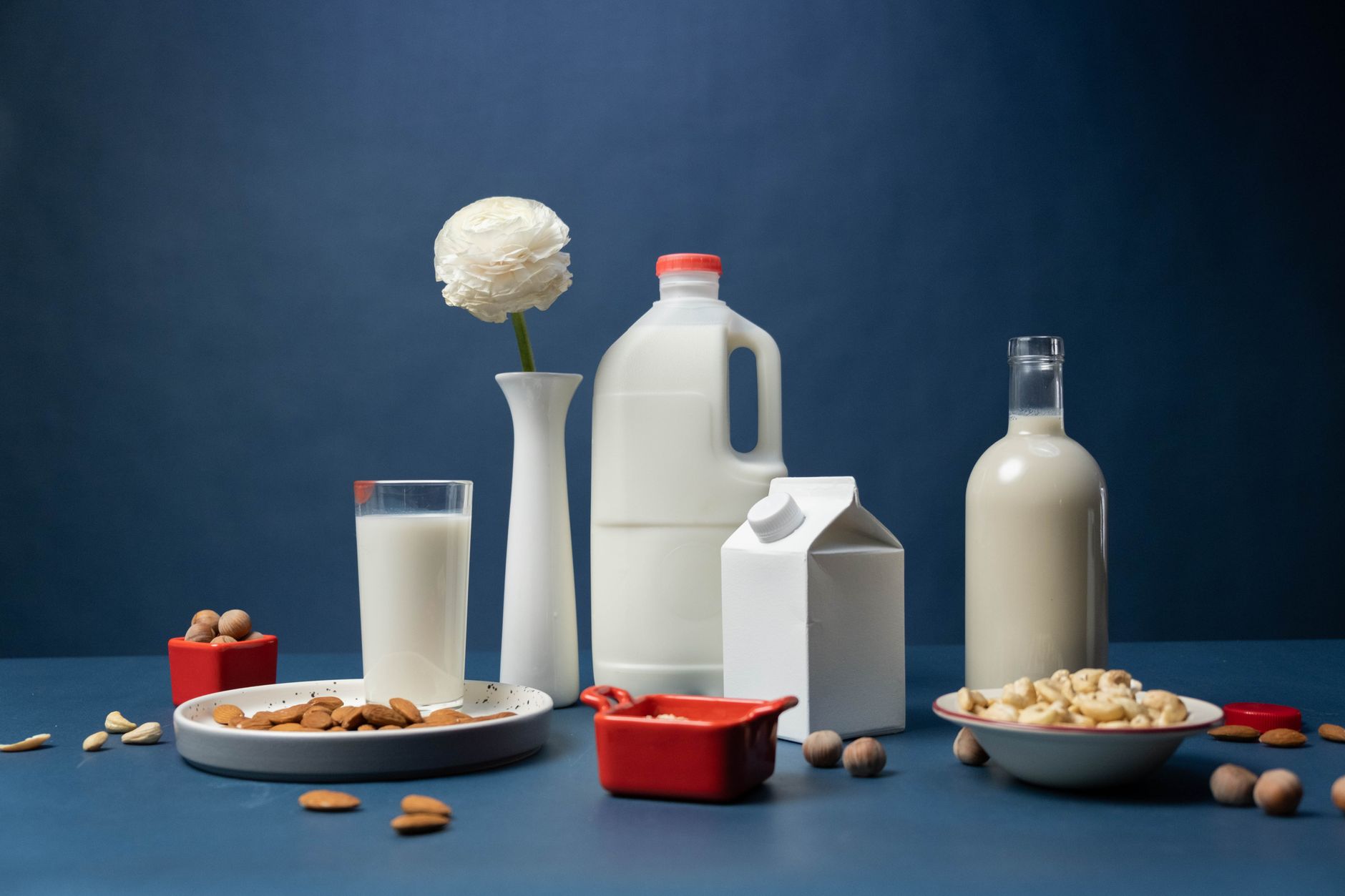
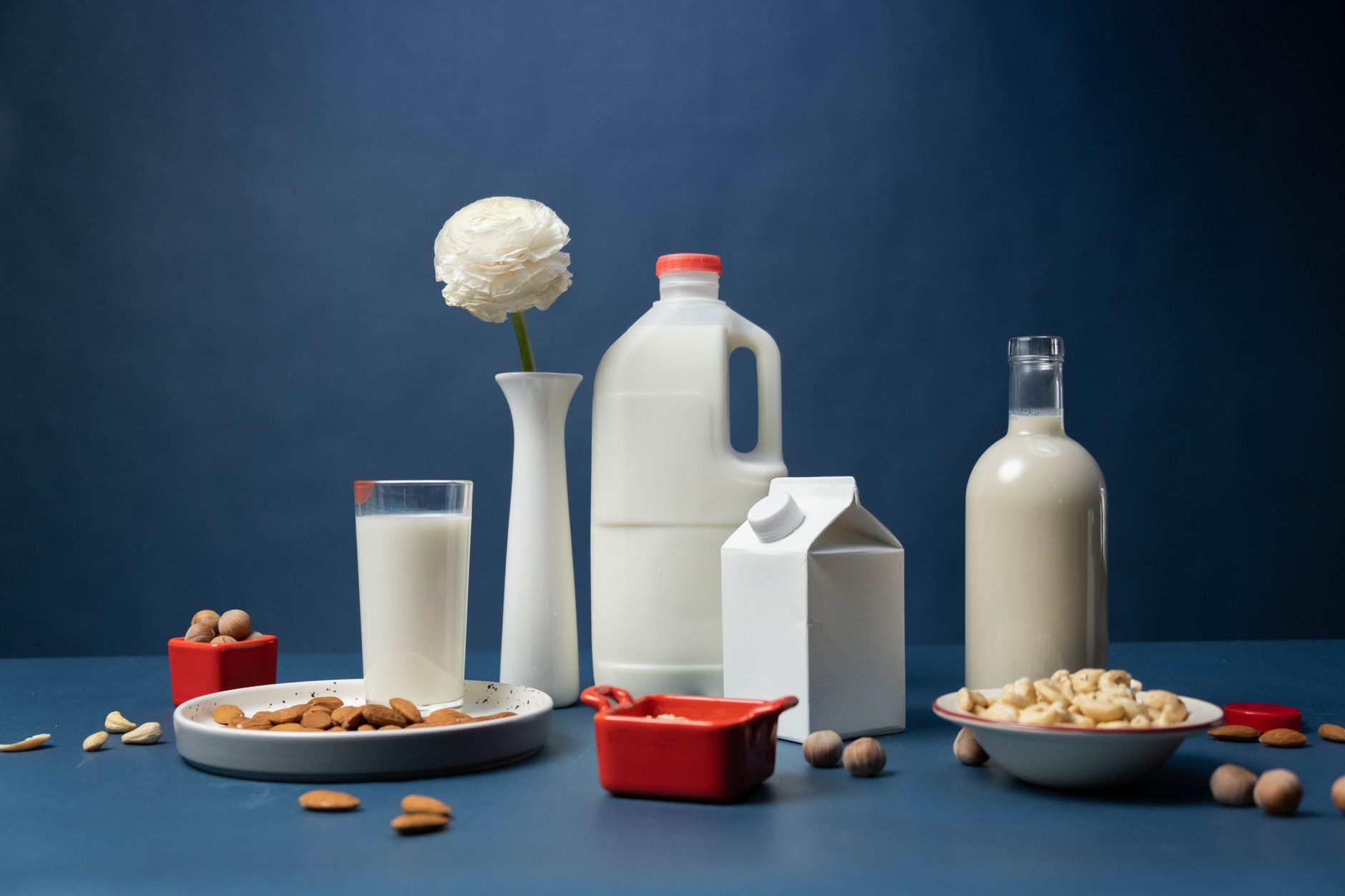
- 1/2 gallon milk OR small carton of almond milk

Pantry Staples:
- Whole wheat pasta (check quantity needed for planned meals)
- 1 can diced tomatoes
- 1 can black beans
- Olive oil (if running low)

Freezer Staples (long-term):
- Frozen berries (for smoothies)
- Frozen vegetables (broccoli, peas)

Snacks/Miscellaneous:
- Small bag of nuts
- Your favorite coffee/tea
Fresh vs. Frozen vs. Canned
Deciding between fresh, frozen, and canned foods is a key strategy for solo living meal planning and reducing waste.
- Fresh: Ideal for ingredients you plan to use within 3-5 days. Think leafy greens, fresh herbs, berries, or specific cuts of meat for immediate meals. Buy in smaller quantities to avoid spoilage.
- Frozen: Your best friend for long-term storage and preventing waste. Frozen fruits and vegetables are often picked at their peak ripeness and retain their nutritional value. They’re perfect for smoothies, stir-fries, and soups. Keep a stock of frozen chicken breasts, fish fillets, or even individually portioned ground beef for convenience. Frozen bread can also be a lifesaver; just toast slices as needed.
- Canned: Excellent for shelf-stable items like beans, tomatoes, corn, and tuna. They’re convenient, affordable, and have a long shelf life, making them great pantry staples for quick meals or when fresh options aren’t available. Just be mindful of sodium content.
The trick is balance. Buy a small amount of fresh produce for immediate consumption, rely on frozen for ingredients you need less frequently or in small amounts, and keep canned goods for pantry stability.
Storage and Organization Tips
Proper storage is just as vital as smart shopping for preventing food waste single person households often experience. A well-organized fridge and pantry can significantly extend the life of your groceries.
- Fridge Zones:
- Top Shelf: Ready-to-eat foods like leftovers, deli meats, and pre-prepped ingredients.
- Middle Shelves: Dairy, eggs, and cooked meats.
- Bottom Shelf: Raw meat and poultry. Store on a plate or in a container to catch any drips and prevent cross-contamination.
- Crisper Drawers:
- High-humidity drawer (closed vent): Leafy greens (spinach, lettuce), asparagus, carrots, broccoli. Wash, dry thoroughly, and store in breathable bags or wrapped in a damp paper towel.
- Low-humidity drawer (open vent): Fruits like apples, pears, and bell peppers.
- Door: Condiments, pickles, and butter. The door is the warmest part of the fridge, so avoid storing milk or eggs here.
- Pantry Essentials:
- Store dry goods like pasta, rice, flour, and cereals in airtight containers to keep them fresh and deter pests.
- Keep spices in a cool, dark place away from direct sunlight or heat to maintain their potency.
- Rotate your stock using the “First-In, First-Out” (FIFO) method – put new items at the back and bring older items to the front.
- Herbs: Treat fresh herbs like a bouquet of flowers. Trim the stems, place them in a small glass of water, and cover loosely with a plastic bag. Store in the fridge for up to a week.
Preservation Techniques to Extend Freshness
Beyond basic storage, a few simple preservation techniques can greatly reduce waste and give you more control over your food supply.
- Freezing Cooked Meals: When you cook a batch of chili, soup, or lasagna, portion out single servings into freezer-safe containers. Label with the date and meal name. These make for incredibly convenient, healthy freezer meals on busy nights.
- Freezing Produce:
- Berries: Wash, dry completely, and spread in a single layer on a baking sheet to freeze. Once solid, transfer to a freezer bag. This prevents them from clumping.
- Vegetables: Many vegetables benefit from blanching (briefly boiling then plunging into ice water) before freezing. This stops enzyme action and preserves color and nutrients. Chop veggies like broccoli, cauliflower, or green beans, blanch for 2-3 minutes, cool, dry, and then freeze.
- Herbs: Chop fresh herbs, mix with a little olive oil, and freeze in ice cube trays. Once solid, pop them out and store in a freezer bag for instant flavor in cooking.
- Freezing Meat and Poultry: If you buy a larger pack of chicken breasts or ground beef, portion it out into single servings before freezing. Wrap tightly in plastic wrap or freezer paper, then place in a freezer bag. This allows you to thaw only what you need.
- Making Broth: Don’t throw away vegetable scraps (onion peels, carrot tops, celery ends) or chicken bones! Collect them in a freezer bag, and once you have enough, use them to make a nutritious homemade broth.
Pro Tip: Invest in good quality freezer bags and airtight containers. Labeling everything with the date of freezing is critical to avoid mystery meals and ensure food quality.
Budget Guidelines for Solo Shoppers
Smart small portion grocery shopping doesn’t just prevent waste; it’s also incredibly kind to your wallet. Here’s how to save money while living alone.
- Stick to Your List (Seriously): Impulse buys, especially of perishable items you don’t need, are budget killers.
- Shop Sales Wisely: If a staple item you use regularly is on sale, consider buying a bit more if it can be frozen or stored long-term. Don’t buy something just because it’s on sale if you won’t use it.
- Embrace Store Brands: Often, store brands are just as good as their national brand counterparts but come with a lower price tag.
- Cook at Home: Dining out or ordering takeout frequently is far more expensive than cooking for yourself, even with single-person grocery costs. Your planned meals should help curb the temptation.
- Track Your Spending: Keep a rough tally of your grocery expenses for a few weeks to identify areas where you might be overspending.
Frequently Asked Questions
How long do groceries last for one person?
The lifespan of groceries for one person varies greatly depending on the food type and proper storage. Fresh produce like berries might only last 3-5 days, while leafy greens might make it a week if stored correctly. Hardier vegetables like carrots or potatoes can last several weeks. Meats should be cooked or frozen within 1-2 days of purchase. Dairy products generally last until their “best by” date when refrigerated. The key is to check dates, store items properly as outlined above, and prioritize consuming the most perishable items first.
What should you buy frozen vs. fresh?
As a single person, you should buy fresh items for immediate consumption, typically within 3-5 days. This includes a small amount of salad greens, specific fruits for snacking, or ingredients for a particular recipe you plan to make soon. Frozen items are ideal for ingredients you’ll use over a longer period, such as berries for smoothies, various vegetables for stir-fries or soups, and portioned meats like chicken breasts or fish fillets. Frozen staples like bread and tortillas also reduce waste by allowing you to take out only what you need. Canned goods serve as excellent pantry backups for convenience and extended shelf life.
How do you plan meals as a single person?
Planning meals as a single person involves a few smart strategies to ensure variety and minimize waste. Start by selecting 3-5 main meals for the week. Look for recipes that use similar ingredients, allowing you to buy a larger item (like a pack of chicken) and use it in different ways across multiple meals. Factor in leftovers by cooking slightly more than a single portion, providing you with easy lunches or another dinner. Be flexible and adjust your plan based on your schedule and cravings, but always refer back to your planned ingredients to ensure you use what you’ve bought. This strategic approach to grocery shopping for one person ensures you enjoy fresh food without the waste.
Mastering grocery shopping for one person is an art that requires a bit of planning and strategic thinking. By implementing these practical strategies, you’ll not only minimize food spoilage and waste but also save money and enjoy more delicious, home-cooked meals.