Why Do You Add Rock Salt to the Ice?
Introduction
When making ice cream or chilling beverages, adding rock salt to ice is a common practice. But why? The answer lies in the science of thermodynamics. Let’s explore the reasons behind the addition of rock salt to ice and how it affects the process of freezing.
The Science Behind Rock Salt and Ice
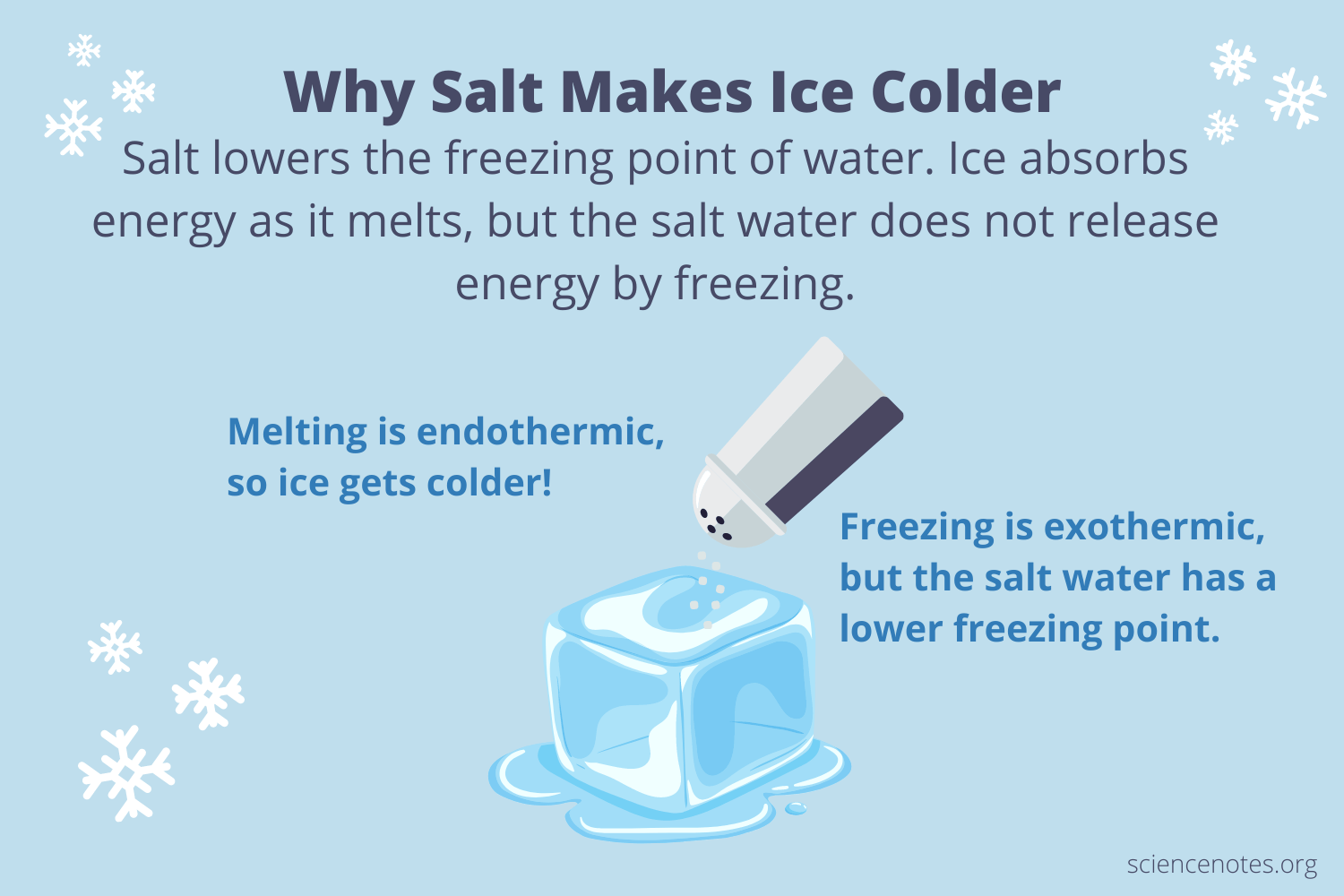
Rock salt, also known as sodium chloride, lowers the freezing point of water. When ice and rock salt are combined, the salt disrupts the equilibrium of the water molecules, causing them to move more freely. This movement requires energy, which is absorbed from the surroundings in the form of heat. As a result, the temperature of the ice mixture drops, enabling it to absorb heat from the ingredients it is meant to chill or freeze.
Lowering the Freezing Point
By adding rock salt to ice, you create a solution that has a lower freezing point than pure water. This is particularly useful when making ice cream, as the lower freezing point allows for a lower temperature, resulting in smoother and creamier ice cream. In the case of chilling beverages, the addition of rock salt to ice speeds up the cooling process, allowing drinks to become cold more quickly.
The Process of Dissolution
When rock salt is added to ice, it dissolves into the water present in the ice. This dissolution process further lowers the temperature of the ice, making it more effective at absorbing heat from the surroundings. As the salt continues to dissolve, more heat is absorbed, leading to a greater cooling effect.
Conclusion
Adding rock salt to ice serves a specific purpose in the realm of freezing and chilling. By understanding the science behind this technique, you can optimize the process of making ice cream or cooling beverages. The next time you reach for rock salt when preparing a frozen treat, remember the role it plays in lowering the freezing point and enhancing the overall chilling process.
For more insights into culinary science and kitchen techniques, visit LAR Real Las Vegas.











