Why Do I Crave Sweets After Dinner?
Have you ever found yourself reaching for something sweet after dinner, even if you are already full? This phenomenon is more common than you might think, and there are scientific reasons behind it. Let’s delve into the possible explanations for why you may experience cravings for sweets after your evening meal.
Sugar’s Impact on the Brain
One of the primary reasons for craving sweets after dinner is the impact that sugar has on the brain. Consuming sugary foods triggers the release of dopamine, a neurotransmitter associated with pleasure and reward. This dopamine release can create a sense of satisfaction and pleasure, leading to cravings for more sugary treats. The brain may start to associate the consumption of sweets with feelings of comfort and happiness, causing you to seek out these foods, especially after a meal when you may be looking for a sense of gratification.
Meal Timing and Blood Sugar Levels
Another factor that can contribute to post-dinner sweet cravings is the timing of your meals and their effect on blood sugar levels. Eating a meal that is high in carbohydrates can cause a spike in blood sugar followed by a rapid drop, leaving you feeling tired or hungry shortly after eating. This drop in blood sugar can trigger cravings for sugary foods as your body seeks a quick energy boost to combat the slump.
Emotional Factors
Emotions play a significant role in food cravings, including the desire for sweets. After a long day, you may be seeking comfort or stress relief, and turning to sugary treats can provide a temporary sense of solace. The act of indulging in something sweet can also trigger the release of endorphins, which are chemicals that can help alleviate stress and improve mood, further reinforcing the desire for sweets as a means of emotional support.
Evolutionary Perspective
From an evolutionary standpoint, humans have a natural preference for sweet foods due to their high-calorie content. In ancient times, when food scarcity was a common threat, our ancestors relied on sweet foods as a quick source of energy and sustenance. This preference for sweets may still be ingrained in our DNA, leading to cravings for sugary snacks even when they are not necessary for survival.
Managing Sweet Cravings
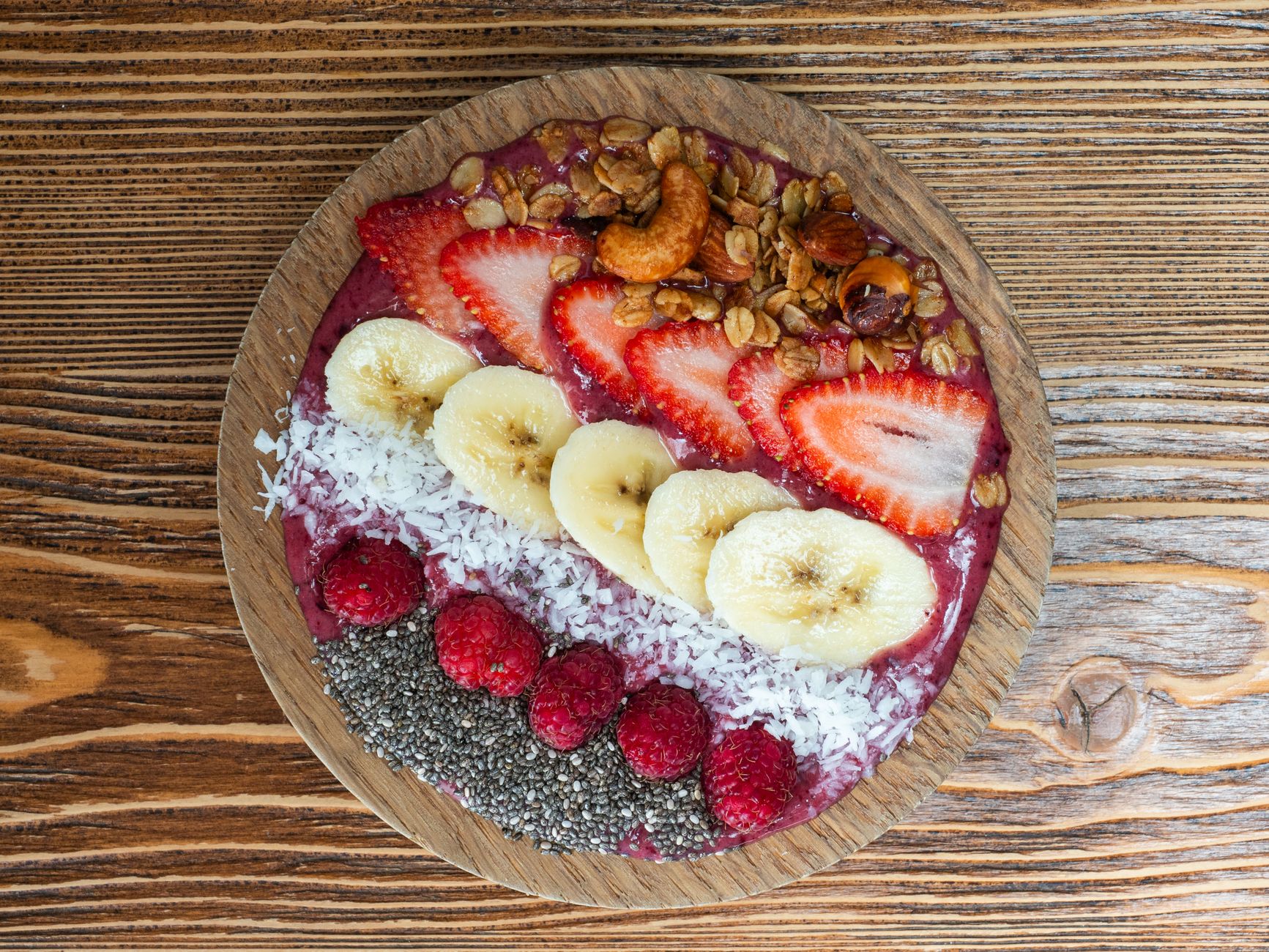
If you find yourself regularly craving sweets after dinner, there are strategies you can use to help manage these cravings. Opting for healthier sweet alternatives like fresh fruit, yogurt, or dark chocolate can satisfy your sweet tooth while providing more nutrients than traditional desserts. Additionally, practicing mindful eating, staying hydrated, and ensuring balanced meals throughout the day can help stabilize blood sugar levels and reduce the intensity of cravings.
Conclusion
Understanding why you crave sweets after dinner can help you make informed choices about your eating habits and overall wellbeing. By recognizing the various factors that contribute to these cravings, you can take steps to address them and develop healthier eating patterns. Whether it’s the impact of sugar on the brain, meal timing and blood sugar levels, emotional triggers, or evolutionary influences, being mindful of your sweet cravings can empower you to make positive changes for your health and happiness.
For more information on nutrition and wellness, visit Larrea Las Vegas.