You’ve seen them on television cooking shows and in high-end restaurant photographs: those tiny, vibrant greens and delicate, colorful blossoms meticulously placed on a dish. It’s easy to dismiss them as mere decoration, a chef’s artistic flourish to justify a steeper price tag. But what if these seemingly insignificant embellishments hold a secret that goes far beyond just looking pretty?
Nutritional and Flavor Benefits of Microgreens
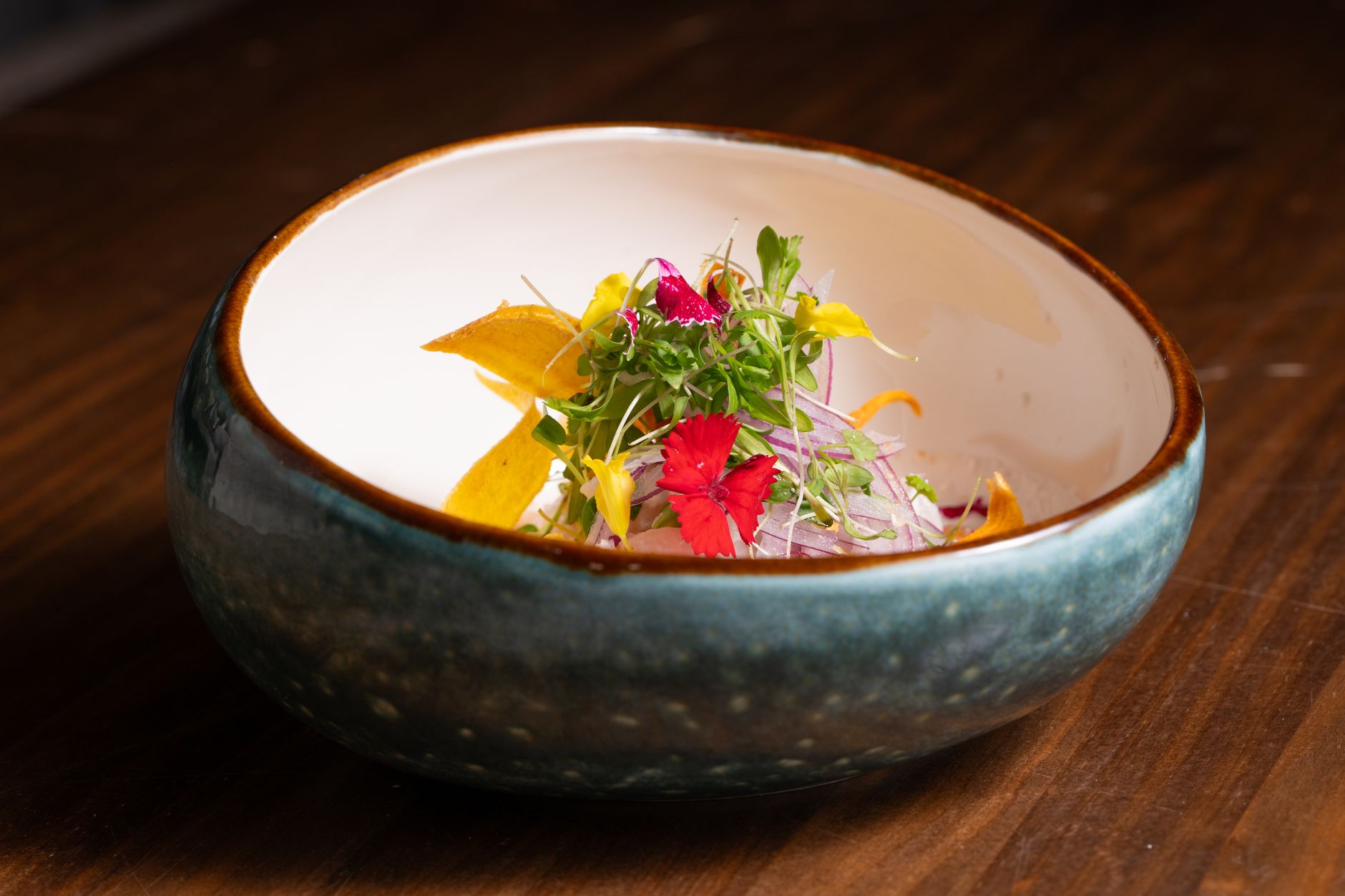
Microgreens are not just miniature versions of full-grown vegetables; they are young, tender greens harvested when they are just a few inches tall, typically 7 to 21 days after germination. At this nascent stage of development, they are bursting with concentrated nutrients, often containing significantly higher levels of vitamins, minerals, and antioxidants compared to their mature counterparts. Think of them as tiny nutritional powerhouses, delivering a potent dose of goodness in every bite.
Beyond their impressive nutritional profile, microgreens introduce a complex layer of flavor and texture to a dish. Arugula microgreens, for instance, offer a peppery kick that can brighten a rich pasta dish or a robust steak. Radish microgreens deliver a zesty, slightly spicy crunch, while cilantro microgreens provide an intense, fresh herb flavor. Beet microgreens contribute an earthy sweetness and a striking magenta hue. These concentrated flavors can awaken the palate, adding depth and contrast that a main ingredient alone might lack. Chefs leverage these `microgreens culinary uses` to build flavor profiles, ensuring that even the smallest element contributes meaningfully to the gastronomic experience. They offer a delicate crispness that can elevate a creamy soup or a soft fish, providing a welcome textural counterpoint.
Edible Flowers: Taste, Aroma, and Visual Appeal
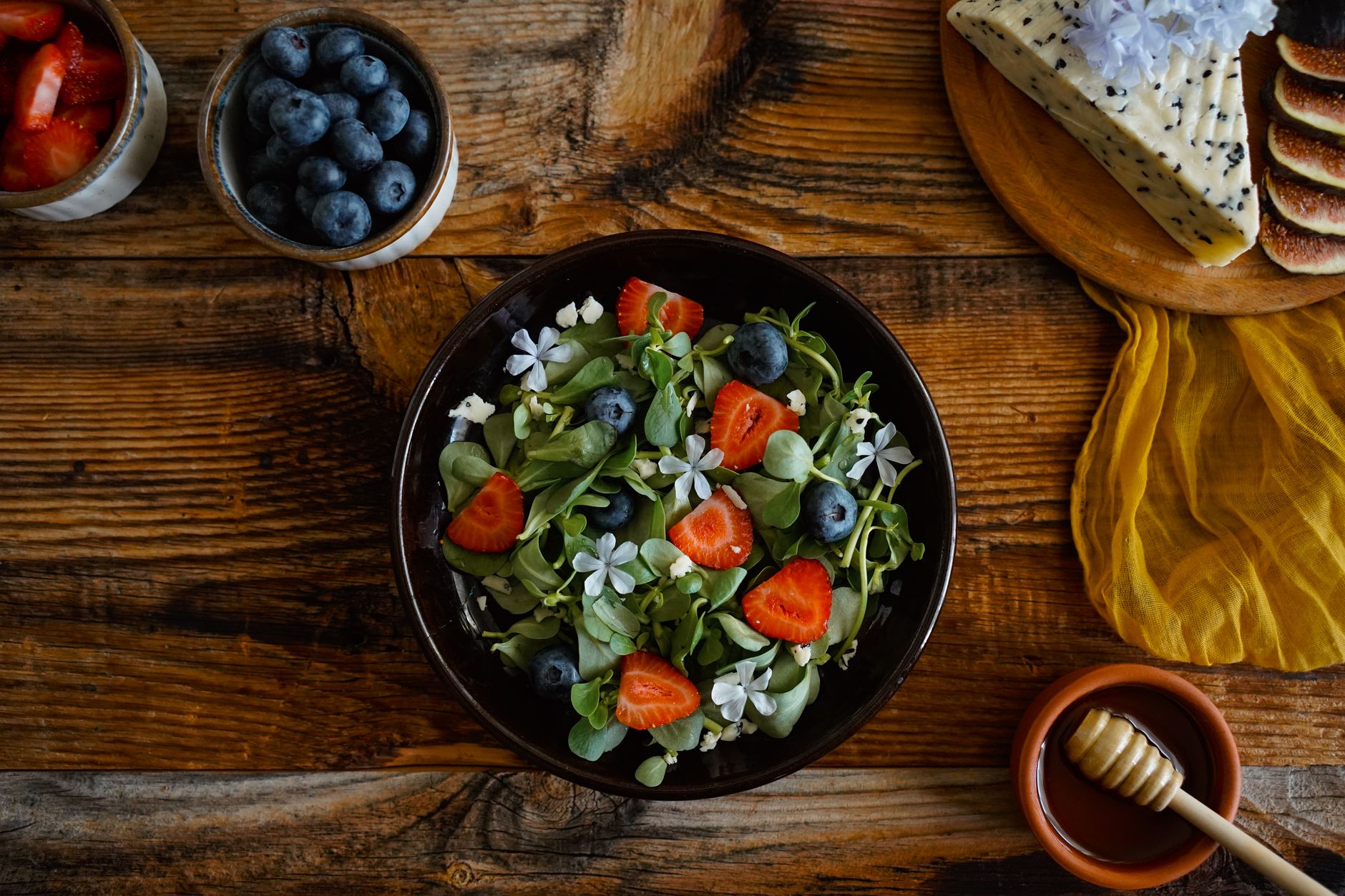
When it comes to `edible flower plating`, these natural beauties bring more than just a pop of color; they contribute unique flavors, captivating aromas, and delicate textures that elevate a dish from excellent to extraordinary. A chef’s thoughtful selection of an edible flower is never arbitrary.
Consider the peppery zest of a nasturtium blossom, which can cut through the richness of a goat cheese salad or a grilled fish. Pansies and violas, with their delicate, slightly sweet, and grassy notes, are perfect for desserts or light salads. Borage flowers offer a subtle cucumber-like flavor, making them a refreshing addition to seafood or gin cocktails. Chive blossoms provide a mild oniony tang that complements savory dishes beautifully. These distinct flavor profiles surprise and delight the diner, adding an unexpected dimension to familiar dishes.
Moreover, edible flowers engage the sense of smell, an often-underestimated component of taste. A fragrant rose petal or a citrus-scented calendula can subtly perfume a plate, enhancing the overall aromatic experience before the first bite is even taken. This sensory interplay creates a more immersive and memorable dining event. Visually, the vibrant hues and intricate shapes of edible flowers add a touch of elegance and sophistication, making the plate a true work of art. Their delicate petals can provide a soft, ethereal texture, contrasting beautifully with other components on the plate.

Color Theory and Plate Composition
The art of `plate garnish techniques` is deeply rooted in color theory and visual composition. Chefs are not just cooks; they are artists, using the plate as their canvas. Microgreens and edible flowers are invaluable tools in this creative process. They are crucial for creating visual balance, contrast, and focal points that guide the diner’s eye.
A vibrant red edible flower, like a calendula petal, placed against a neutral-colored protein, immediately draws attention and adds a dramatic accent. Bright green microgreens provide a fresh, natural contrast to rich, dark sauces or seared meats. The interplay of warm and cool colors can evoke different moods – vibrant and energetic with reds and oranges, or calming and sophisticated with blues and purples. Texture also plays a significant role; the delicate frills of microgreens or the soft petals of a flower add visual interest and prevent a dish from appearing monolithic or flat.
Chefs use these elements to create height, depth, and negative space, ensuring that each component on the plate is intentionally placed. The precise placement of a few microgreens can add an illusion of height, while a scattered cluster of petals can soften harsh lines and create a sense of organic movement. Ultimately, the careful application of `microgreens edible flowers garnishing` transforms a meal into a multisensory experience, making it as appealing to the eye as it is to the palate. This attention to detail communicates care, skill, and an understanding of the holistic dining experience.
Popular Microgreens and Edible Flowers for Home Cooks
Bringing the elegance of professional plating into your home kitchen is easier than you might think. Here are some popular options for home cooks to experiment with:
-
Popular Microgreens:
- **Arugula Microgreens:** Spicy, peppery. Great for salads, sandwiches, or atop pasta.
- **Radish Microgreens:** Zesty, slightly spicy crunch. Excellent with tacos, fish, or egg dishes.
- **Broccoli Microgreens:** Mild, slightly cabbage-like. A healthy addition to smoothies or stir-fries.
- **Basil Microgreens:** Intense, sweet basil flavor. Perfect for Italian dishes or caprese salads.
- **Sunflower Microgreens:** Nutty, crunchy. A fantastic addition to salads or as a snack.
- **Pea Shoot Microgreens:** Sweet, fresh pea flavor. Delicious on their own, in salads, or as a garnish for Asian cuisine.
-
Popular Edible Flowers:
- **Pansies/Violas:** Mild, slightly sweet, grassy. Ideal for desserts, fruit salads, or delicate appetizers.
- **Nasturtiums:** Peppery, spicy. Wonderful with salads, cheese boards, or grilled meats.
- **Borage:** Cucumber-like flavor. Refreshing in drinks, seafood dishes, or cucumber sandwiches.
- **Calendula (Marigold):** Mildly peppery, slightly bitter. Adds a beautiful yellow/orange color to salads, rice, or scrambled eggs.
- **Chive Blossoms:** Mild oniony flavor. Excellent with savory dishes, baked potatoes, or creamy dips.
- **Rose Petals (organic, unsprayed):** Fragrant, delicate, slightly sweet. Best for desserts, infused drinks, or garnishing special occasions.
How to Source and Store Microgreens and Flowers
Proper sourcing and storage are key to enjoying the full potential of these delicate garnishes.
-
Sourcing:
- **Farmers’ Markets:** Often the best source for fresh, locally grown microgreens and edible flowers. You can talk directly to the growers about their practices.
- **Specialty Grocery Stores:** Many upscale supermarkets now carry a selection of microgreens and sometimes edible flowers in their produce section.
- **Grow Your Own:** For microgreens, growing them at home is straightforward and ensures a constant fresh supply. Edible flowers can also be grown in a garden, but ensure they are culinary varieties and remain pesticide-free.
- **Crucial Note for Edible Flowers:** ALWAYS ensure flowers are specifically grown for consumption and are free of pesticides and chemicals. Never pick flowers from roadsides or florists, as they are likely treated.
-
Storing Microgreens:
- Microgreens are best used fresh. To extend their life, gently wrap them in a slightly damp paper towel.
- Place the wrapped microgreens in an airtight container or a resealable plastic bag.
- Store them in the crisper drawer of your refrigerator at a temperature between 35-40°F. They should last 3-7 days.
-
Storing Edible Flowers:
- Handle edible flowers very gently. Do not wash them until just before use, and only if necessary with a very gentle rinse.
- Line an airtight container with a damp paper towel. Arrange the flowers in a single layer if possible, or place a second damp paper towel between layers.
- Seal the container and store it in the refrigerator at 35-40°F. Most edible flowers will keep for 2-5 days, depending on the variety.
Frequently Asked Questions
Are microgreens and edible flowers safe to eat?
Yes, absolutely! When sourced correctly, both microgreens and edible flowers are safe and nutritious additions to your diet. The key is to ensure they are specifically grown for culinary purposes and have not been treated with pesticides or other chemicals. For edible flowers, avoid those picked from unknown gardens, roadsides, or florists, as they are very likely chemically treated or are not culinary varieties.
What’s the difference between microgreens and sprouts?
While often confused, microgreens and sprouts are distinct. Sprouts are germinated seeds that are typically eaten whole—seed, root, and shoot—within just a few days of sprouting. They are often grown in water or a moist environment. Microgreens, on the other hand, are young vegetable greens harvested after their first true leaves (cotyledons) have developed, usually 1-3 weeks after planting. They are grown in soil or a growing medium and are harvested by cutting them just above the soil line, so you don’t eat the roots or seeds. Microgreens generally offer more developed flavors and a wider range of textures than sprouts.
How do you store microgreens and edible flowers?
Both microgreens and edible flowers require delicate handling and proper refrigeration to maintain their freshness. For microgreens, gently wrap them in a slightly damp paper towel, then place them in an airtight container or resealable bag and store them in the refrigerator’s crisper drawer, ideally between 35-40°F. They typically last 3-7 days. Edible flowers should also be stored in an airtight container lined with a damp paper towel, in a single layer if possible, and kept refrigerated at the same temperature. Avoid washing them until just before use, and handle with extreme care. They will usually last 2-5 days.
The next time you encounter those tiny greens or vibrant petals on your plate, you’ll know they are far more than just decoration. They are a chef’s secret weapon, enhancing not only the visual appeal but also the flavor, aroma, and nutritional value of your meal. Embracing `microgreens edible flowers garnishing` means embracing a holistic approach to cooking, where every element contributes to an unforgettable dining experience. Start experimenting at home, and discover the magic they bring to your culinary creations.











