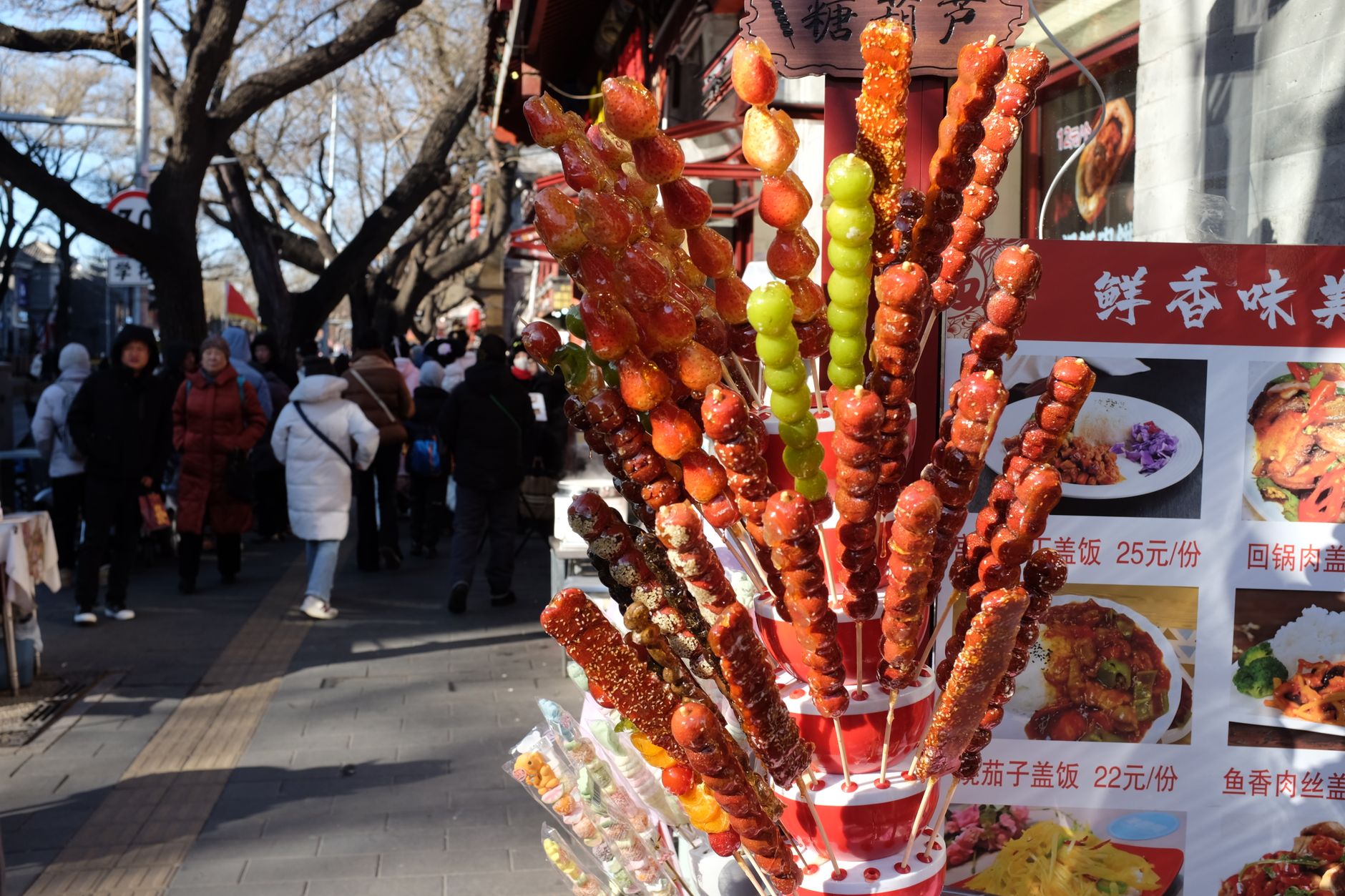
Why did my Tanghulu turn out sticky instead of crunchy?
You plunge your beautifully skewered strawberries into a boiling sugar syrup, let them cool, and take an eager bite, only to find your teeth glued together by a tacky mess. Instead of the satisfying, glass-like shatter of traditional Chinese street food, you are left wondering why your candy coating is soft and chewy. If you find your Tanghulu sticky instead of crunchy, you are not alone; this common culinary mishap comes down to simple food science and environmental factors.

The Science of Crispy Candy Coatings
Making a successful candied fruit coating requires understanding sucrose behavior under heat. When you dissolve granulated sugar in water and boil it, you evaporate the water molecules and concentrate the sugar. To achieve a brittle, glass-like shell, the sugar syrup must reach the hard crack stage, which occurs between 300°F and 310°F. At this precise temperature range, the water content in the syrup drops to around 1%, allowing the remaining sugar to cool into a solid, non-crystalline state. If the syrup does not reach at least 300°F, too much water remains in the mixture, resulting in a soft, pliable, and sticky texture that clings to your teeth instead of shattering cleanly.
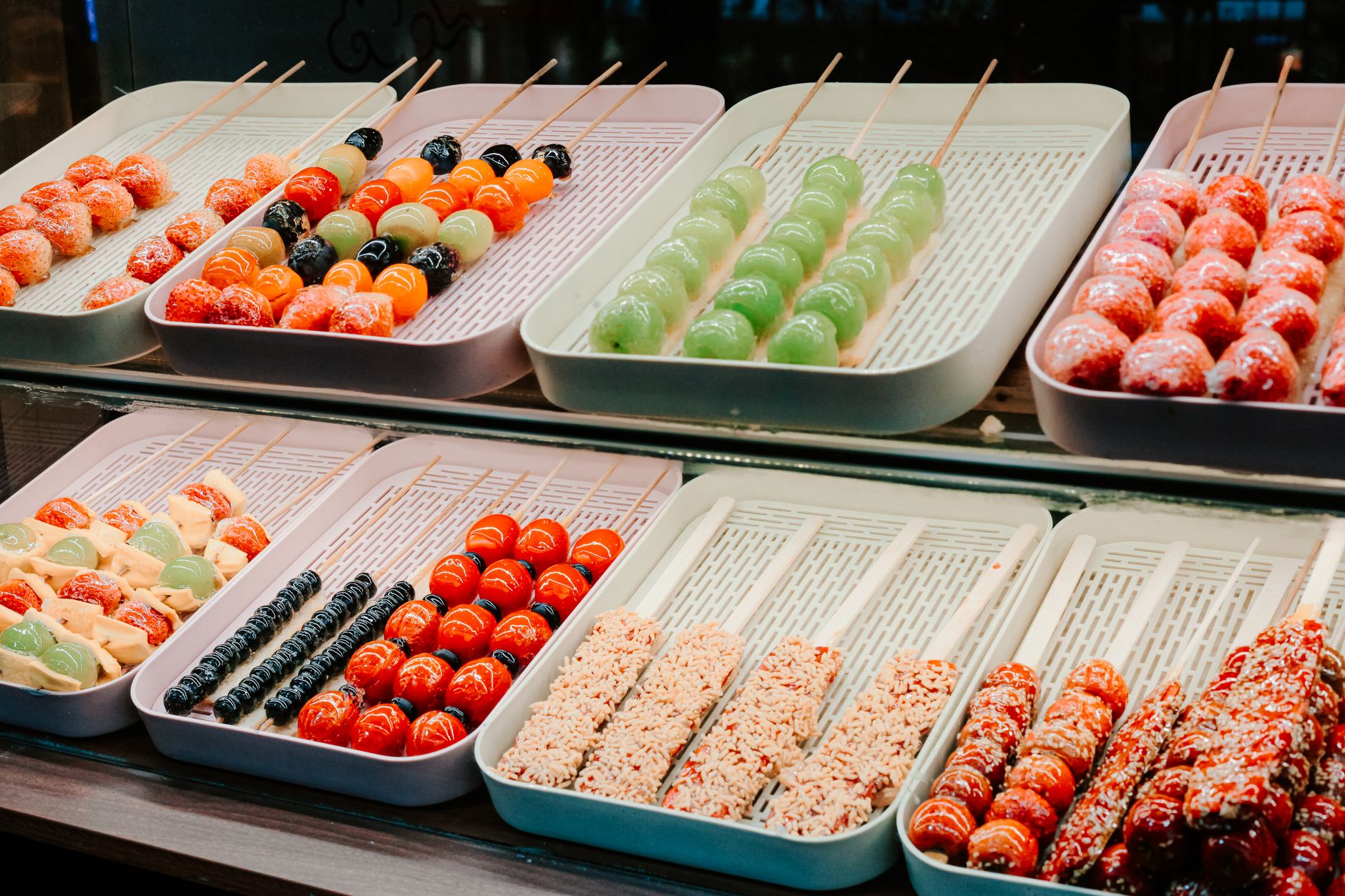
Common Causes of Sticky Tanghulu
When dealing with Tanghulu texture problems, the culprit is almost always moisture or improper heat distribution. If you have wondered why Tanghulu not crispy despite your best efforts, you must look at how sugar behaves during the cooking process. Sugar is highly hygroscopic, meaning it actively attracts and absorbs water molecules from its surrounding environment. Whether it is moisture weeping from the fruit underneath, humidity lingering in your kitchen air, or undercooked sugar syrup that never reached the proper evaporation point, any excess water will ruin your hard work. Understanding these variables is the key to preventing a tacky glaze.
Temperature and Timing Mistakes
Temperature control is the most critical element of candy making. Rushing the process by turning the heat too high can burn the sugar, while cooking it too slowly can cause the sugar to crystallize into a grainy, sand-like texture before it ever reaches the hard crack stage. To avoid these issues, using an accurate tool is highly recommended. A high-quality digital instant-read thermometer or a classic heavy-duty glass candy thermometer with an adjustable pot clip, such as those made by Taylor Precision Products, is essential for success. Without a thermometer, relying solely on visual cues or the cold water test often leads to undercooking, which is the primary reason you get Tanghulu sticky instead of crunchy.
Humidity and Environmental Factors
Even if you heat your syrup perfectly, the environment can easily sabotage your results. High humidity inside the kitchen is a major cause of stickiness. If the indoor humidity level is above 50%, the cooling sugar shell will pull water vapor directly from the air, turning a once-crisp coating into a tacky glaze within minutes. Furthermore, the state of the fruit plays an equally significant role. If your strawberries or grapes are wet from washing, or if they leak juices through accidental punctures, that moisture will dissolve the sugar coating from the inside out, creating a wet barrier that prevents the syrup from setting properly.
Fixing Sticky Tanghulu (Salvage Options)
If you are currently facing a batch of ruined skewers, you need to know how to fix sticky Tanghulu coating and troubleshoot specific scenarios. While you cannot simply re-boil sugar that is already stuck to delicate fruit, you can identify what went wrong to salvage your ingredients.
Here are five specific sticky scenarios and how to resolve them:
- The syrup is sticky immediately after cooling: This means the syrup did not reach 300°F. To salvage, rinse the sugar off the fruit under warm water, dry the fruit completely with paper towels, and try again with a fresh batch of syrup heated to the correct temperature.
- The candy shell starts out crispy but melts within ten minutes: This is caused by high kitchen humidity. You can temporarily slow this down by placing the dipped fruit in an airtight container with food-safe silica gel packets to absorb the ambient moisture.
- The sugar coating is cloudy, grainy, and crumbly: This occurs when the sugar crystallizes because it was stirred during the boiling process. Avoid stirring the syrup once the sugar dissolves, and use a wet pastry brush to wash down any crystals on the side of the pot.
- The coating turns into a puddle of syrup at the base of the fruit: This happens when the fruit is bruised or the skewer punctured the skin too deeply, letting juice escape. Always choose firm, unblemished fruit and insert skewers carefully without piercing all the way through.
- The candy coating is too thick to bite through easily: This occurs when the syrup cools down too much during the dipping process. Keep the syrup warm on low heat while dipping, and tilt your pot to create a deep pool so you can coat the fruit in one fast, sweeping motion.
Prevention Strategies for Future Batches
To ensure your next batch turns out perfectly, implement strict preventative measures. Start with a reliable ratio of 2 cups of white granulated sugar to 1 cup of water. Heat the mixture over medium heat without stirring. Keep a bowl of ice water nearby to quickly shock the dipped fruit, which helps the hard crack shell set instantly.
Once your treats are successfully dipped, correct storage is crucial to preserve that crunch. Never store candied fruit uncovered in a household refrigerator, as the high humidity inside will dissolve the sugar. Instead, place them in a single layer on parchment paper inside a tightly sealed container and consume them within one to two hours of making them.
- Add one tablespoon of light corn syrup to your sugar and water mixture to help prevent crystallization during the boiling process.
- Ensure your fruit is at room temperature before dipping, as cold fruit will cause condensation to form under the hot candy shell, making it slide off.
- Use a small, deep saucepan rather than a wide skillet so the sugar syrup is deep enough to submerge the fruit quickly without scraping the bottom of the pan.
Frequently Asked Questions
Does humidity affect Tanghulu crunchiness?
Yes, humidity has a massive impact on the texture of your candy shell. Because sugar is a hygroscopic substance, it naturally draws moisture out of the air. When you make this treat on a rainy day or in a humid kitchen, the sugar coating absorbs the airborne water vapor, causing the hard shell to soften, liquefy, and become incredibly sticky very quickly.
What’s the correct hard crack stage temperature for Tanghulu?
The correct temperature for the hard crack stage is between 300°F and 310°F. Heating the sugar syrup to this precise range ensures that virtually all the water has evaporated, leaving behind a pure sugar concentrate that cools into a brittle, glass-like candy shell.
How long should Tanghulu cool before serving?
It should cool for only two to three minutes before serving. If you dip the skewered fruit into an ice bath for five seconds immediately after coating it in the hot syrup, the candy shell will set instantly, allowing you to enjoy the crunch right away.
Can I store sticky Tanghulu to make it crunchier?
No, you cannot store sticky Tanghulu to restore its crunch. Placing sticky candied fruit in the refrigerator or freezer will not dry out the sugar; instead, the humidity and eventual condensation when brought back to room temperature will cause the sugar to melt even faster.
With the right temperature control and a dry environment, you can easily avoid ending up with Tanghulu sticky instead of crunchy. Keep your thermometer handy, dry your fruit thoroughly, and enjoy the perfect satisfying snap of your homemade treats.











