**Why Am I So Picky About Food**
Why Am I So Picky About Food
Being picky about food is a common trait that many individuals experience. Whether it’s avoiding certain textures, flavors, or foods altogether, our preferences can greatly impact our dining experiences. But why are some people more selective about their food choices than others?
Genetic Influences
One explanation for being picky about food lies in our genetic makeup. Research suggests that genetics can play a significant role in determining our taste preferences. For example, some individuals may be more sensitive to bitter flavors, while others may have a heightened sensitivity to certain textures. These genetic differences can impact how we perceive and enjoy different foods, leading to pickier eating habits.
Early Experiences
Another factor that can contribute to picky eating is our early experiences with food. During childhood, our food preferences are often shaped by the foods we are exposed to and the dining environment created by our caregivers. If a person is not introduced to a wide variety of foods or has negative food-related experiences during childhood, they may develop picky eating habits that persist into adulthood.
Psychological Factors
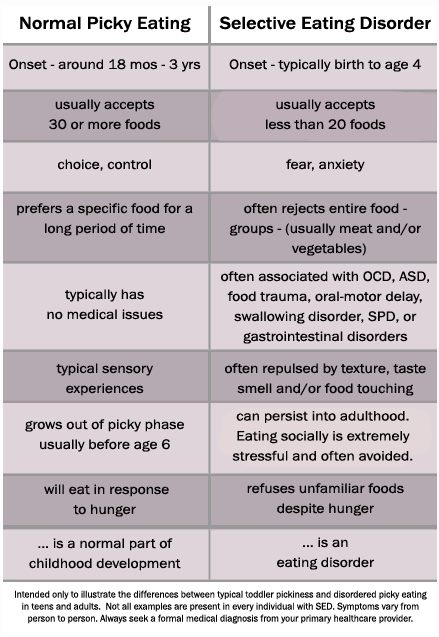
Psychological factors, such as anxiety, sensory sensitivities, and control issues, can also play a role in picky eating behavior. Some individuals may use food as a way to exert control over their lives, leading to strict dietary requirements and food aversions. Others may experience heightened anxiety around trying new foods, which can make them more selective about what they eat.
Social Influences
Our social environment can also impact our food preferences and picky eating habits. Peer pressure, cultural influences, and societal norms can all play a role in shaping our attitudes towards food. For example, individuals may feel pressured to conform to certain dietary standards or avoid foods that are perceived as undesirable by their social circle.
Conclusion
While being picky about food can be influenced by a variety of factors, it is important to remember that everyone’s food preferences are unique. Whether it’s due to genetic predispositions, early experiences, psychological factors, or social influences, there is no one-size-fits-all explanation for why some people are pickier eaters than others. Understanding the underlying reasons for picky eating behaviors can help individuals make informed choices about their diet and find strategies to expand their culinary horizons.
For more information, visit the home page.











