Which is Better: Vinegar or Lemon Juice to Make Buttermilk?
Introduction
Buttermilk is a versatile ingredient in cooking and baking, known for its tangy flavor and ability to tenderize and leaven. However, many recipes call for buttermilk when you may not have it on hand. In such cases, you can easily make a substitute using common household ingredients like vinegar or lemon juice. This article delves into the debate of whether vinegar or lemon juice is better suited for making a buttermilk substitute, based on expert opinions and available data.
Vinegar as a Buttermilk Substitute
Vinegar is a popular choice for making a buttermilk substitute due to its acidity and neutral flavor profile. When combined with milk, vinegar curdles the milk slightly, mimicking the taste and texture of traditional buttermilk. Many chefs prefer vinegar for its consistent results and ability to closely replicate the tanginess of buttermilk.
Lemon Juice as a Buttermilk Substitute
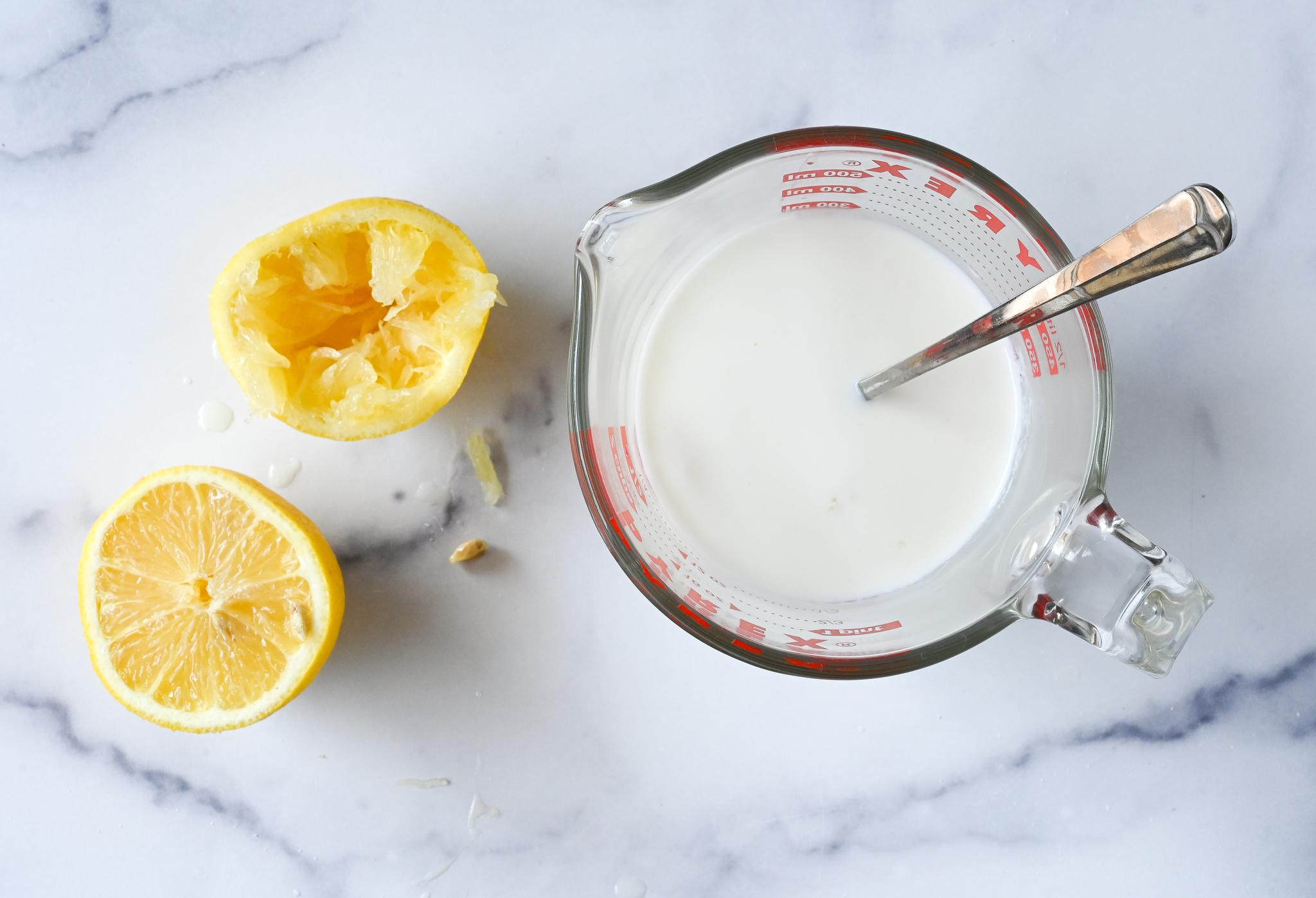
On the other hand, lemon juice is another common ingredient used to make a buttermilk substitute. Like vinegar, lemon juice also curdles the milk, resulting in a similar tangy flavor. Some cooks prefer lemon juice for its subtle citrus undertones, which can add a refreshing twist to recipes calling for buttermilk.
Expert Opinions and Recommendations
- Some culinary experts endorse the use of vinegar as the preferred choice for making a buttermilk substitute, citing its reliability and ability to closely mimic the taste of traditional buttermilk.
- Others argue in favor of lemon juice, emphasizing its natural acidity and ability to impart a hint of citrus flavor that can elevate certain dishes.
Conclusion
Ultimately, the choice between vinegar and lemon juice to make a buttermilk substitute depends on personal preference and the specific recipe you are preparing. Both ingredients can effectively replicate the tanginess of buttermilk, with vinegar offering consistent results and lemon juice providing a subtle citrus twist. Experiment with both options to discover which one best complements your culinary creations.
For more cooking tips and recipes, visit the home page.











