Understanding the Difference Between Egg Rolls and Spring Rolls
Both egg rolls and spring rolls are popular dishes in Asian cuisine, often found on the menu of Chinese, Vietnamese, and Thai restaurants. While these two dishes may appear similar to the untrained eye, there are notable differences between them in terms of ingredients, preparation, and cooking methods.
Egg Rolls
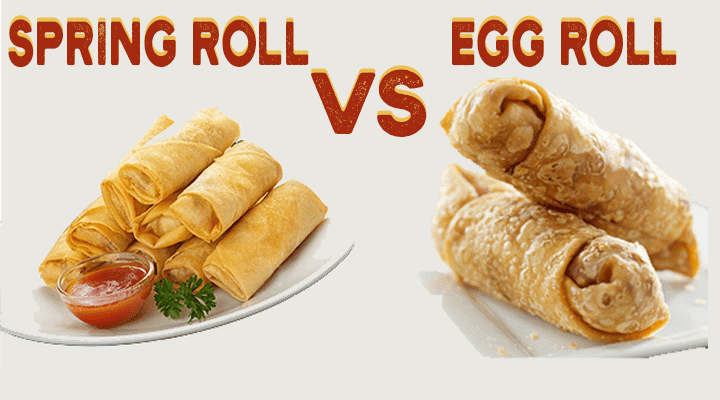
Egg rolls are a staple of Chinese cuisine and are typically made with a crispy outer wrapper that is fried until golden brown. The filling of an egg roll usually consists of shredded cabbage, carrots, and sometimes minced meat such as pork or shrimp. The name “egg roll” comes from the fact that the wrapper is sometimes made with egg, giving it a richer flavor and golden color.
Spring Rolls
Spring rolls, on the other hand, are a lighter and fresher alternative to egg rolls. They are commonly associated with Vietnamese cuisine but are also found in other Asian culinary traditions. Spring rolls are typically made with a thin, translucent rice paper wrapper that is filled with a combination of fresh vegetables, herbs, and sometimes shrimp or pork. Unlike egg rolls, spring rolls are not fried but are often served fresh or occasionally deep-fried for a crisp texture.
Key Differences
- Egg rolls are fried, while spring rolls are usually not fried.
- Egg rolls have a heavier, richer filling, often including meat, compared to the lighter, vegetable-filled spring rolls.
- The wrappers of the two rolls differ, with egg rolls using a thicker, crispy wrapper and spring rolls using a thin, translucent rice paper wrapper.
Conclusion
Both egg rolls and spring rolls are delicious and versatile dishes that offer unique flavor profiles and textures. Understanding the differences between these two Asian classics can help you make an informed choice the next time you’re craving a crispy and flavorful roll.
For more culinary insights and delectable dishes, visit LARREA Las Vegas.











