What Temperature Should Your Refrigerator Be?
One of the most important aspects of keeping your food fresh and safe to eat is maintaining the proper temperature in your refrigerator. The ideal temperature can vary depending on the types of food you store, but there are general guidelines you should follow to ensure your refrigerator is set to the right temperature.
Recommended Refrigerator Temperature Range
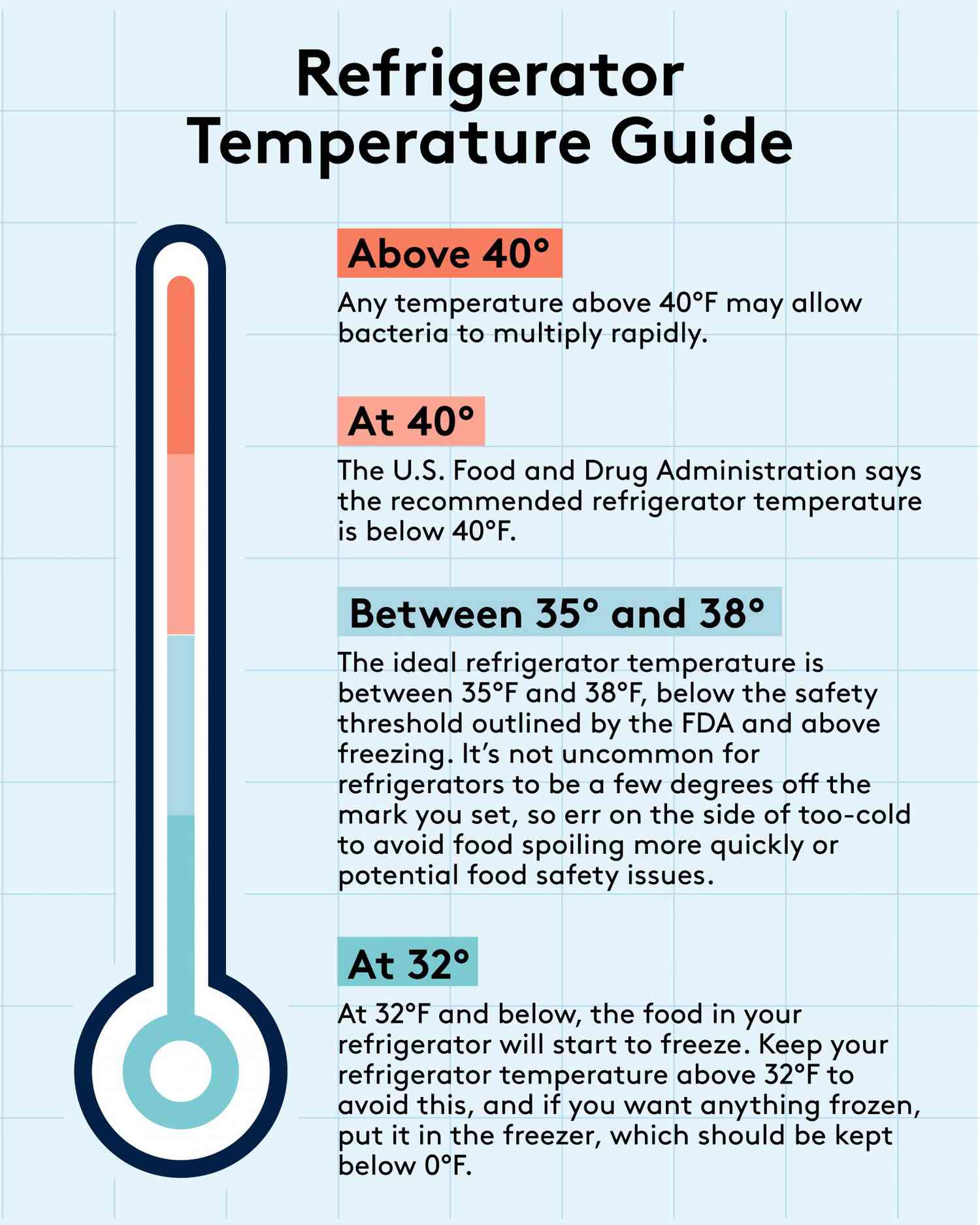
The general consensus among experts is that your refrigerator should be set to a temperature between 35°F and 38°F (1.6°C to 3.3°C). This temperature range is ideal for slowing down the growth of bacteria and other pathogens that can cause food spoilage and foodborne illnesses.
Why Is Temperature Important?
Keeping your refrigerator at the correct temperature is crucial for food safety. If the temperature is too high, bacteria can multiply rapidly, leading to food spoilage and potential health risks. Conversely, if the temperature is too low, food can freeze and lose its texture and quality.
Tips for Maintaining the Right Temperature
- Invest in a refrigerator thermometer to regularly monitor the temperature inside your fridge.
- Avoid overpacking your refrigerator, as overcrowding can obstruct air circulation and affect temperature regulation.
- Check the seals on your refrigerator door to ensure they are intact and free of gaps, which can lead to temperature fluctuations.
Special Considerations
For specific foods like raw meat, poultry, and seafood, it is recommended to store them at the bottom of the refrigerator where it is coldest. This helps prevent any juices from dripping onto other foods and causing cross-contamination.
In Conclusion
Maintaining the right temperature in your refrigerator is essential for food safety and quality. By following the recommended temperature range and implementing good storage practices, you can prolong the shelf life of your food and reduce the risk of foodborne illnesses.
For more information on kitchen and food safety, visit our homepage.











