Imagine you’re at an elegant dinner party or a high-stakes business luncheon. The table before you is meticulously set, a shimmering array of silverware, crystal, and china. A moment of subtle uncertainty creeps in as you reach for the first utensil: which one is it? Mastering proper table etiquette, particularly the precise placement of each dining utensil, can transform a moment of hesitation into an impression of effortless grace and confidence.
Understanding the nuances of a formal place setting isn’t just about adhering to rigid traditions; it’s about enhancing the dining experience for everyone and showing respect for your host and fellow diners. Let’s demystify the art of the table, focusing on the specific roles of the salad fork and soup spoon, and ensure you’re always prepared for any culinary occasion.
The Outside-to-Inside Rule Explained
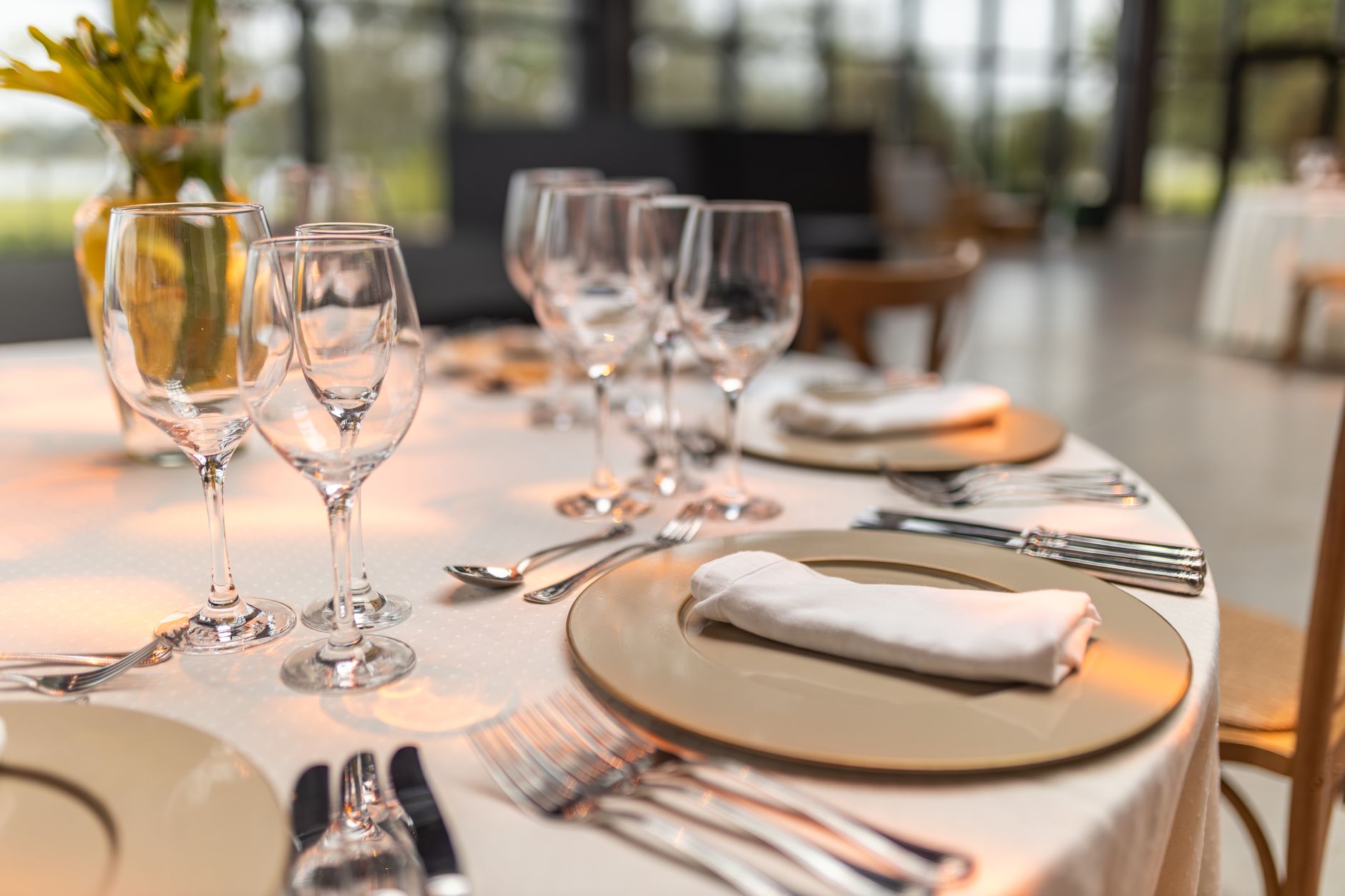
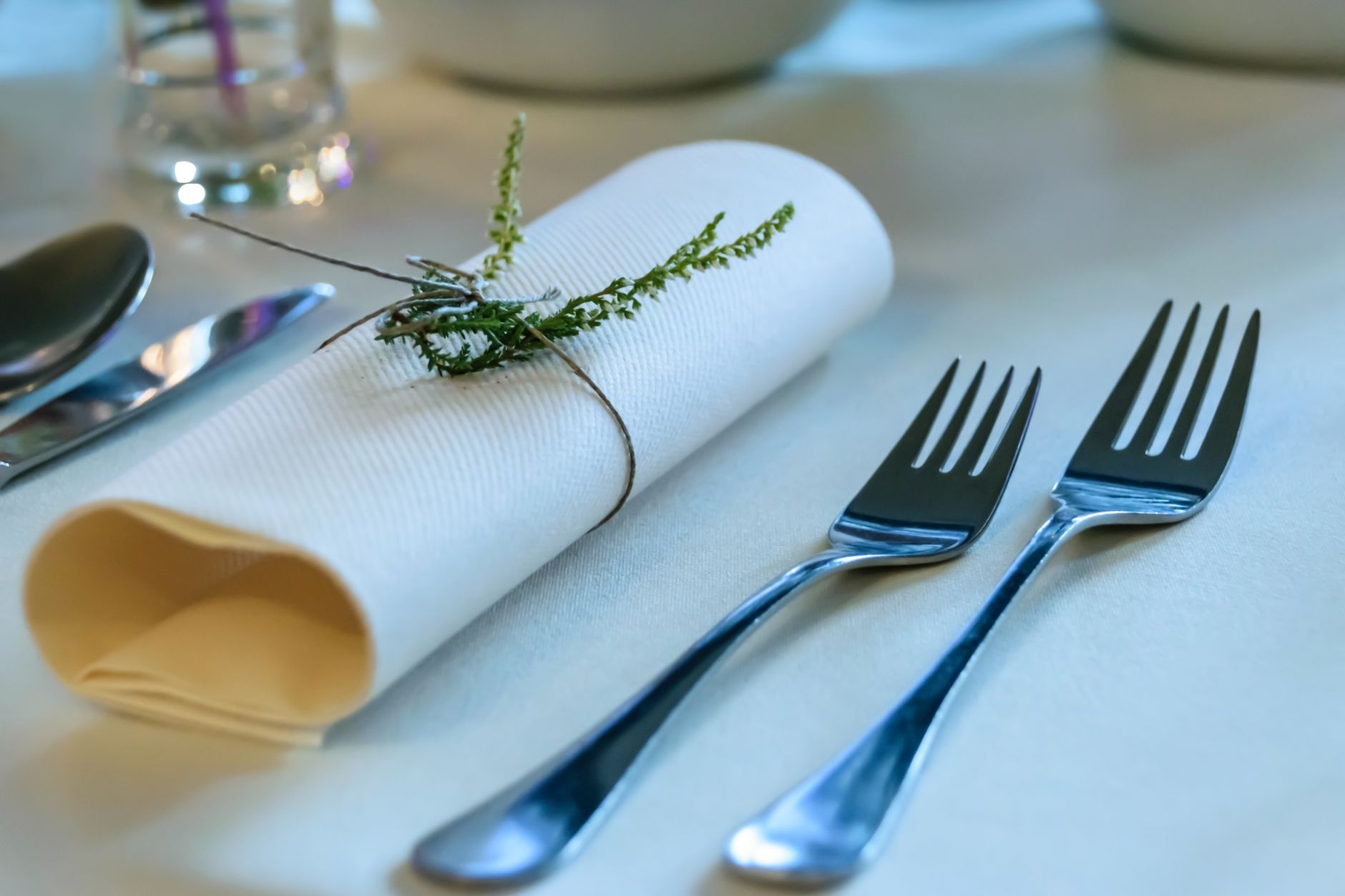
At the heart of elegant table settings lies a simple, intuitive principle: the “outside-to-inside” rule. This fundamental guideline dictates that you use the utensils furthest from your plate first, working your way inward with each subsequent course. Think of it as a logical progression designed to guide you through the meal without confusion. When you sit down, the utensil on the far left or far right is typically the one designated for the first course, be it a salad or an appetizer.
This rule ensures that a beautifully set table, no matter how many courses it anticipates, remains easy to navigate. It’s the cornerstone of understanding the correct salad fork soup spoon table setting placement and applies to forks, knives, and spoons alike.

Where the Salad Fork Goes
The salad fork, designed for your appetizer or salad course, always resides on the left side of the dinner plate. Following the outside-to-inside rule, it is typically the outermost fork on the left. This means it sits to the left of your main dinner fork. Its slightly smaller size often distinguishes it from the larger dinner fork, though designs can vary. When setting a table for a meal that includes a salad course, placing the salad fork correctly is your first step on the left side.
    (Bread Plate)       (Water Glass)
                        (Wine Glass)

          Dessert Fork      Dessert Spoon
        (tines point R)   (bowl points L)

        Salad Fork    Dinner Fork       Dinner Plate      Dinner Knife     Soup Spoon
        (OUTSIDE)     (INSIDE)          (CENTER)          (blade IN)       (OUTSIDE)

Where the Soup Spoon Goes
If your meal begins with a soup course, the soup spoon will be your first utensil on the right side of the plate. It is positioned to the far right, outside of the dinner knife and any other spoons. Its distinctive larger, rounder bowl differentiates it from a dessert spoon or teaspoon. Just like the salad fork, the soup spoon’s position adheres strictly to the outside-to-inside rule, signaling that it is the first utensil to be used from the right side for the initial course.
Understanding the Fork Side vs. Spoon Side
The fundamental division of utensils at a formal place setting is straightforward: all forks, with one key exception, are placed to the left of the dinner plate. Knives and spoons are positioned to the right. This clear separation makes it easier to navigate a multi-course meal.
- The Left Side (Forks): Starting from the left of the dinner plate and moving outward, you’ll find the dinner fork, and then the salad fork. If there’s an appetizer requiring a fork, it would be the outermost fork.
- The Right Side (Knives & Spoons): Immediately to the right of the dinner plate is the dinner knife (blade always facing the plate). To its right, you’ll find any additional knives (e.g., for fish), and then the spoons. The soup spoon, if applicable, will be the outermost spoon.
- Above the Plate (Dessert Utensils): The exception to the left/right rule applies to dessert utensils. A dessert fork is placed above the plate, with its tines pointing to the right. A dessert spoon is placed above the dessert fork, with its bowl pointing to the left. These are brought down to the sides of the plate when dessert is served.
Other Utensils and Their Positions
Beyond the primary salad fork soup spoon table setting placement, a complete formal setting incorporates several other key pieces:
- Dinner Plate: This is the central anchor of your place setting, perfectly aligned with your chair.
- Dinner Knife: Positioned immediately to the right of the dinner plate, with its blade always facing inward towards the plate.
- Bread Plate & Butter Knife: The small bread plate goes above and to the left of the dinner plate, usually aligned with the forks. A small butter knife is placed diagonally across the bread plate, handle typically pointing to the right, blade facing left.
- Water Glass: Positioned directly above the dinner knife.
- Wine Glasses: If wine is served, glasses are placed to the right of the water glass, typically in the order they will be used (e.g., white wine glass closer to the water glass, then red wine, then a champagne flute).
- Napkin: Can be placed either on the dinner plate itself or to the left of the forks.
Detailed Formal Place Setting Diagram (Text-Based)
To provide a clear visual of a full `formal place setting rules` compliant table:
                 Bread Plate (with Butter Knife)           Water Glass
                                                               Wine Glass (White)
                                                                Wine Glass (Red)

                 Dessert Fork (tines R)  Dessert Spoon (bowl L)

        Salad Fork    Dinner Fork        Dinner Plate        Dinner Knife   Soup Spoon
        (Outermost)   (Next In)          (Center)            (Blade In)     (Outermost)

                                     (Napkin can be here or on plate)
Variations for Different Meal Types
While the full formal setting offers a comprehensive guide, real-world dining often features adapted versions. Understanding these common variations is key to versatile `table etiquette cutlery` knowledge.
- Casual Dining: For everyday meals, the setting is much simpler. You’ll typically only see a dinner fork, a dinner knife, and possibly a dessert spoon. The salad fork and soup spoon are omitted unless specific courses warrant them.
- No Soup Course: If soup is not on the menu, the soup spoon is simply left off the table. There’s no need to replace it with another utensil or leave an empty space.
- No Salad Course: Similarly, if no salad or first-course appetizer requiring a fork is served, the salad fork is omitted. The dinner fork will then be the outermost fork on the left.
- Fish Course: A dedicated fish fork (smaller, often with a broader left tine) and a fish knife (a blunt, spatulate blade) would be placed between the salad/soup utensils and the dinner utensils on their respective sides.
The underlying principle is always to provide only the necessary utensils for the planned menu, adhering to the outside-to-inside usage rule.
Common Mistakes to Avoid
Even with clear rules, minor slip-ups can occur. Here are some common table setting mistakes to watch out for, ensuring your `dining utensil placement` is impeccable:
- Incorrect Order: Placing utensils in the wrong sequence (e.g., dinner fork outside the salad fork).
- Knife Blade Direction: Always ensure knife blades face inward toward the plate. An outward-facing blade can be perceived as aggressive or careless.
- Bread Plate Placement: The bread plate always goes on the left. A common error is placing it on the right, which is reserved for beverages.
- Forgetting Dessert Utensils: In a formal setting, dessert utensils are typically pre-set above the plate. Omitting them means a scramble when dessert is served.
- Over-setting: Including utensils for courses that aren’t being served. It’s better to be concise and correct than overly elaborate.
Frequently Asked Questions
Why is the salad fork on the outside?
The salad fork is placed on the outside because it is typically the first fork to be used during the meal. The entire table setting follows the “outside-to-inside” rule, meaning you start with the utensil furthest from your plate for the first course and work your way inward as each subsequent course is served. This makes it intuitive for diners to select the correct utensil.
Which side do all forks go on?
Generally, all forks are placed on the left side of the dinner plate. This includes the salad fork, dinner fork, and any specialty forks like a fish fork. The primary exception is the dessert fork, which is placed horizontally above the dinner plate, with its tines pointing to the right.
What if you don’t have a soup course?
If your meal does not include a soup course, simply omit the soup spoon from the table setting. There’s no need to replace it with another utensil or leave a blank space. The rule is to only place utensils that will actually be used for the meal, maintaining a clean and functional table setting.
Mastering the intricacies of a formal table setting, especially the proper salad fork soup spoon table setting placement, elevates any dining experience. It’s a gesture of respect, a nod to tradition, and a practical guide for enjoying your meal seamlessly. With these rules in hand, you’ll approach any table with confidence and poise.
Remember these quick tips: Forks on the left, knives and spoons on the right (knives blade in!), and always work from the outside in. Enjoy your next perfectly set meal!