How to Properly Set a Table for a Formal Three-Course Dinner Party?
Imagine the anticipation of a sophisticated dinner party, the delicious aromas filling your home, and then a tiny flutter of doubt: Is my table truly set to impress? Hosting a formal three-course dinner can feel daunting, but mastering the art of a proper table setting is simpler than you think and a sure-fire way to elevate your entertaining prowess.
Three-Course Meal Sequence Explained
A formal three-course dinner typically follows a precise progression: an appetizer or soup, followed by a main entree, and concluding with a delightful dessert. Each course brings its own set of culinary delights, and consequently, its own specific utensils. Understanding this sequence is the bedrock of a flawless
a formal table setting three course dinner. Guests begin with the outermost utensils and work their way inward as courses are served, ensuring a smooth and elegant dining experience.

Charger Plates and Base Layer Setup
The foundation of any elegant table begins with the charger plate. This decorative base, also known as a service plate, is not meant for eating from but serves as an aesthetic anchor, framing your courses beautifully and protecting the table linen. Place each charger centered in front of every chair, approximately 1 inch from the edge of the table.
- Pro Tip: Charger plates are traditionally removed just before the main course is served, after the appetizer plate has been cleared, to make way for the entree.
Initially, this plate will hold either a soup bowl or a salad plate, depending on your appetizer, establishing the first layer of your sophisticated place setting. It defines the personal space for each guest, setting the stage for the exquisite meal to come.
Proper Cutlery Placement by Course
The core principle for cutlery placement is simple: use from the outside in. Each utensil corresponds to a specific course in your formal three-course meal setup. All cutlery should be placed about 1 inch from the table’s edge, evenly spaced and aligned.
Forks (Left of the Charger/Plate):
- Salad Fork: This is the outermost fork, designed for your starter salad or appetizer.
- Dinner Fork: Placed to the right of the salad fork, closer to the charger, it is reserved for the main course.
Knives and Spoons (Right of the Charger/Plate):
- Dinner Knife: Positioned closest to the charger, with its blade always facing the plate.
- Soup Spoon: If soup is part of your appetizer course, the soup spoon goes to the right of the dinner knife. If no soup, this position might be for an appetizer knife.
- Additional Spoons (Optional): If serving coffee or tea after the meal, a smaller teaspoon can be placed to the right of the soup spoon, or brought out with the beverage service.
Above the Charger/Plate (Dessert Cutlery):
- Dessert Spoon: Placed horizontally above the charger, with its handle pointing to the right.
- Dessert Fork: Positioned horizontally below the dessert spoon, with its handle pointing to the left. These are meant to be pulled down by the guest when dessert is served.
Bread and Butter Plate & Knife:
- Bread and Butter Plate: This small plate is placed above the forks, to the upper left of the main charger.
- Butter Knife: A small knife rests diagonally across the top edge of the bread plate, with the blade facing left and the handle pointing right, ready for butter or spreads.
Glassware Positioning and Selection
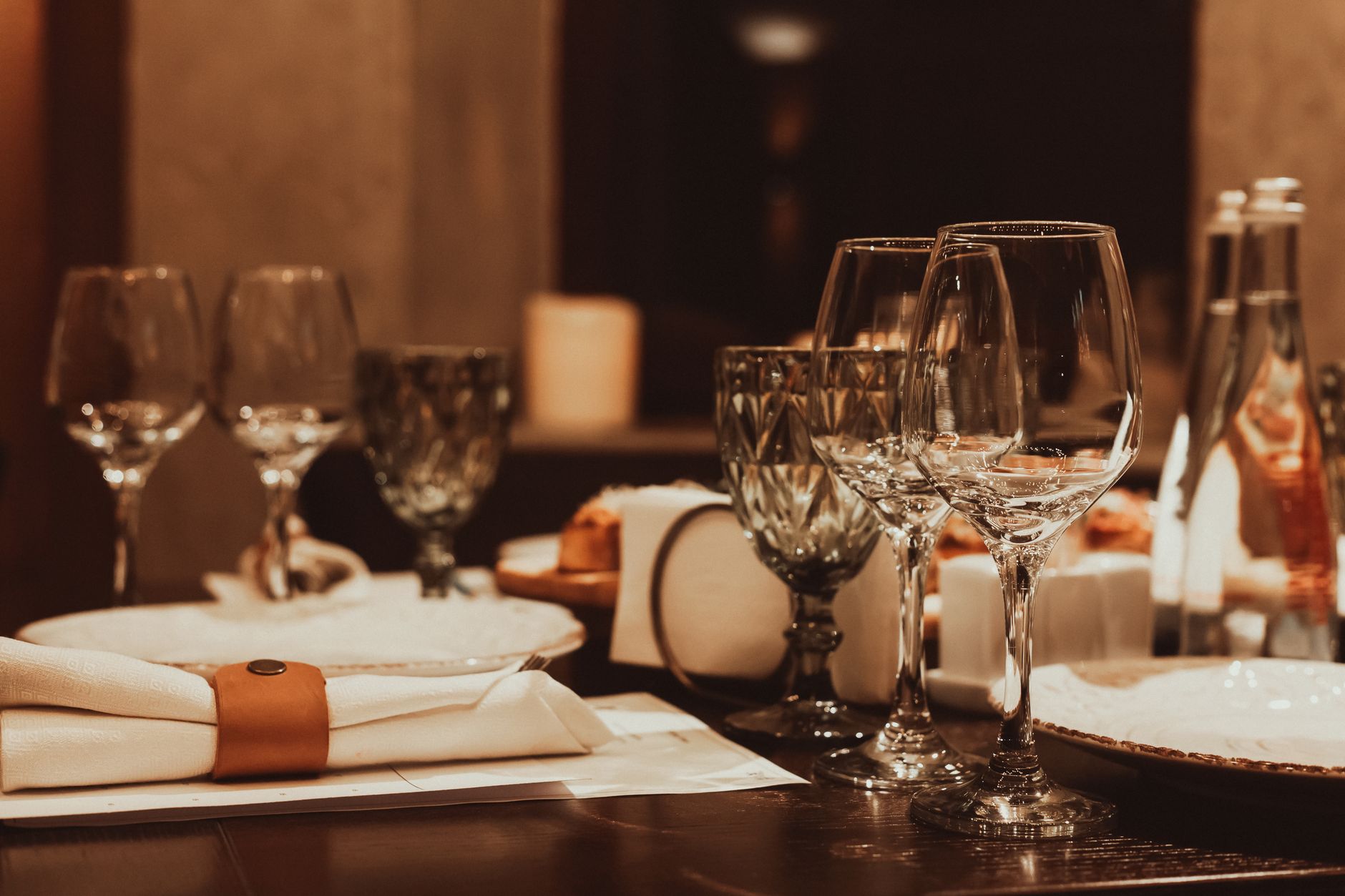
Glassware, delicate and functional, enhances both the aesthetics and the enjoyment of your formal table setting three course dinner. Position all glasses above and to the right of the dinner plate, typically forming a diagonal line that descends towards the right. Each glass should be approximately 1 inch from its neighbor, creating a balanced and accessible array.
- Water Goblet: The first and often tallest glass, it is positioned directly above the tip of the dinner knife.
- Red Wine Glass: To the right of the water goblet, slightly below it. This glass has a larger bowl to allow red wines to breathe.
- White Wine Glass: To the right of the red wine glass, slightly below it. It’s typically smaller than the red wine glass to help keep white wines chilled.
- Champagne Flute (Optional): If serving sparkling wine, it can be placed behind the other glasses or furthest to the right, maintaining the diagonal line.
- Pro Tip: Ensure wine glasses are appropriate for the wines you plan to serve. A Bordeaux glass for bold reds, a Burgundy glass for lighter reds, and smaller tulip-shaped glasses for white wines enhance the tasting experience.
Napkin Folding and Placement
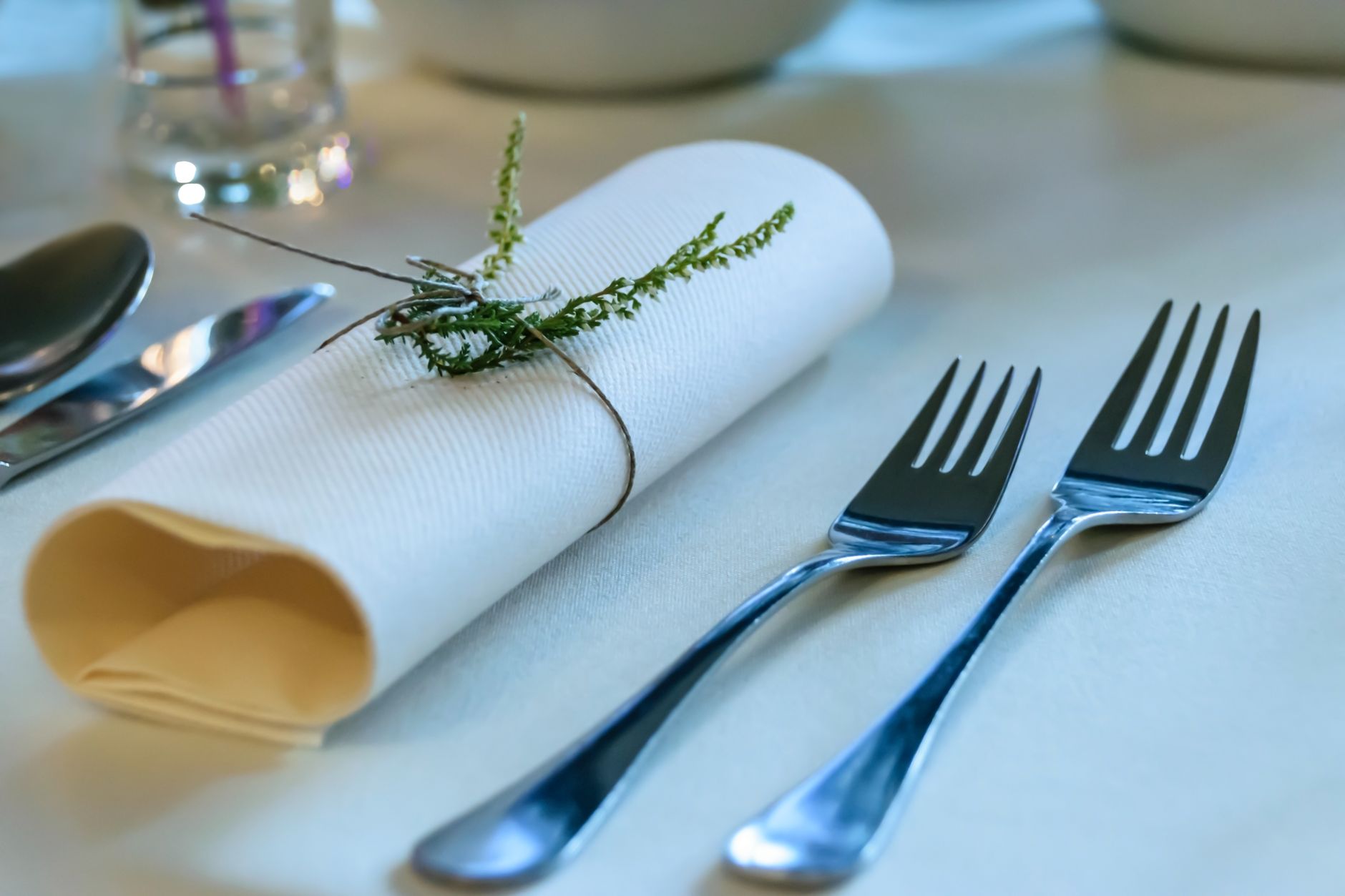
The cloth napkin adds a touch of sophistication and color to your table setting guide. For a formal occasion, crisp, freshly ironed cloth napkins are non-negotiable. There are several elegant placement options, but for utmost formality, a simple, refined fold is preferred over overly intricate designs.
- On the Charger Plate: This is a classic and popular choice. A simple, elegant fold (e.g., a rectangle, square, or bi-fold) rests neatly in the center of the charger plate, serving as an immediate focal point.
- To the Left of the Forks: Less common for the most formal settings but still acceptable, the napkin can be folded into a neat rectangle and placed to the left of the fork ensemble.
- Pro Tip: Choose napkin colors that complement your table linen and decor for a cohesive and sophisticated look. Solid colors or subtle patterns are best for formal events.
Formal Place Card Etiquette
Formal place cards are a thoughtful detail that not only streamlines guest seating but also adds a personalized touch to your formal dining etiquette. They eliminate any confusion about where to sit, ensuring a smooth start to the evening and allowing you to strategically seat guests for engaging conversation.
- Placement: The most common and elegant placement is directly above the dessert cutlery, centered with the charger plate. Alternatively, they can be placed to the top right of the water glass.
- Clarity: Ensure names are clearly legible, either elegantly handwritten or professionally printed. For couples, it’s customary to place their cards side-by-side or on either side of a central setting, guiding them to adjacent seats.
Centerpiece and Table Spacing Guidelines
While individual place settings are paramount, the overall arrangement of your table contributes significantly to the ambiance. A well-designed centerpiece and proper spacing are vital for a comfortable and elegant three course meal setup.
Centerpiece Guidelines:
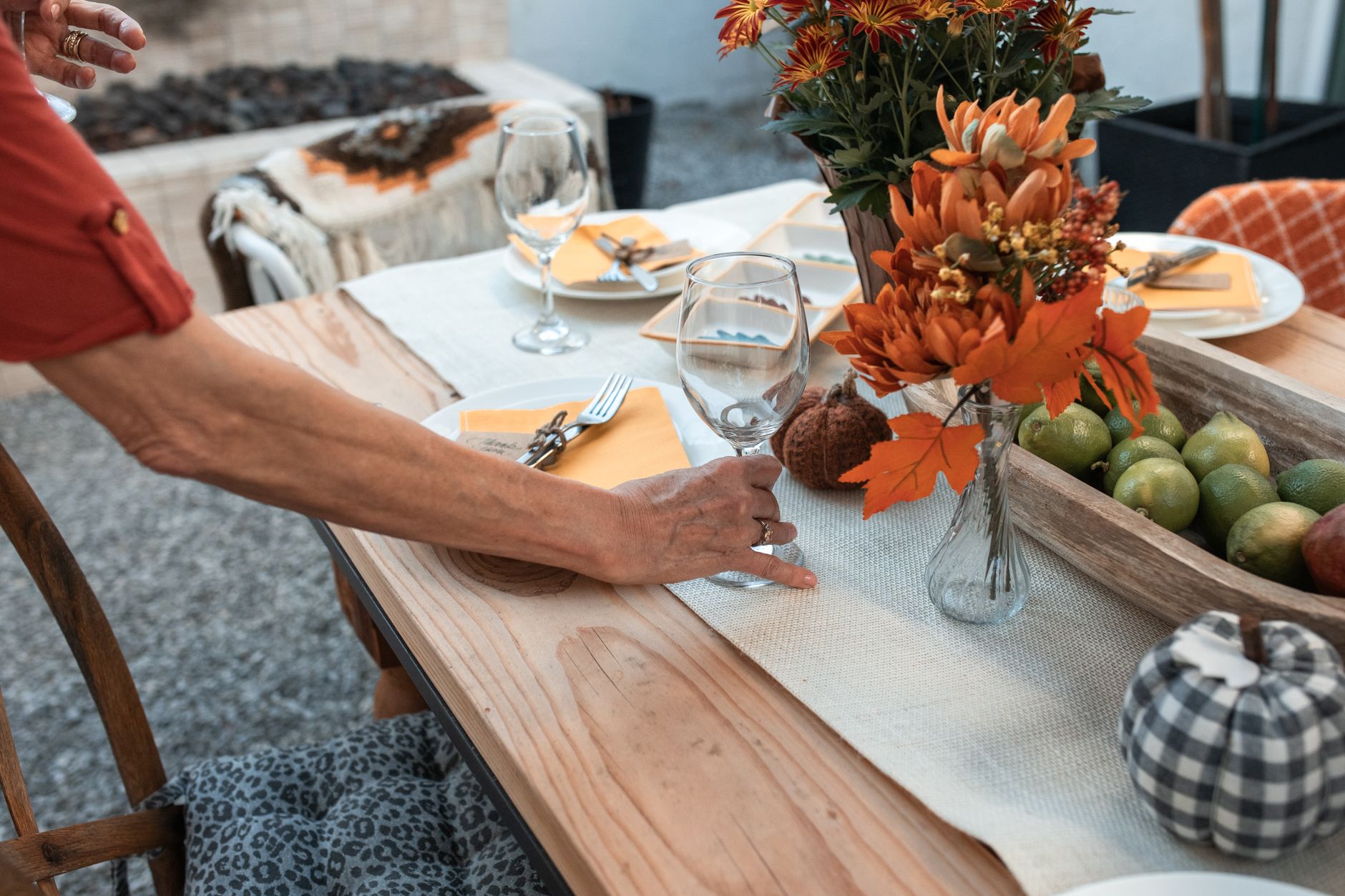
- Height: The golden rule is to keep centerpieces either very low (below 10 inches) or very high (above eye level when seated) to allow for comfortable conversation across the table. Guests should never have to peer around an obstruction to speak with someone opposite them.
- Scent: Avoid heavily perfumed flowers or candles that might interfere with the aroma and taste of the food. Opt for unscented candles or subtly fragrant blooms like hydrangeas or tulips.
- Style: Choose a centerpiece that complements your dinnerware, linen, and the overall decor of your dining room. Less is often more for a formal setting, focusing on elegance rather than extravagance.
Table Spacing:
- Allow a minimum of 24 inches (approximately 61 cm), ideally 30 inches (approximately 76 cm), between the center of each place setting. This ensures guests have ample elbow room and don’t feel crowded, allowing for relaxed movement and conversation.
- Consider the width of your chairs and table size when planning guest numbers to maintain this comfortable spacing.
Frequently Asked Questions
What is a formal three-course meal sequence?
A formal three-course meal typically begins with an appetizer, such as a soup or salad, designed to awaken the palate. This is followed by the main course, which is the heart of the meal, often featuring a protein with accompanying side dishes. The dinner concludes with a dessert, offering a sweet and satisfying finish to the dining experience. Each course is served and cleared sequentially, with corresponding utensils used from the outside in.
How much space should be between place settings?
For comfortable and elegant formal dining, aim for a minimum of 24 inches (61 cm) between the center of each place setting. Ideally, 30 inches (76 cm) provides even more generous elbow room and allows for easier service. This spacing ensures guests do not feel cramped and can enjoy their meal and conversation without bumping elbows.
Should charger plates be used for formal dinners?
Yes, charger plates are an essential element of a formal dinner table setting. They serve as a decorative base plate, adding elegance and depth to the setting, and defining each guest’s space. While they are not eaten from, they catch spills and crumbs, and are typically removed before the main course is served, after the appetizer plates have been cleared.
Mastering the art of a formal table setting three course dinner transforms a simple meal into an unforgettable event. By following these detailed guidelines, you’re not just setting a table; you’re crafting an experience that speaks volumes about your attention to detail and hospitality. Your guests will not only savor the meal but also the elegance of their surroundings, making for truly memorable evenings.
Formal Table Preparation Timeline Checklist:
- 1 Week Prior: Finalize your menu and guest list. Confirm you have all necessary dinnerware, cutlery, glassware, and linens for the exact number of guests.
- 2-3 Days Prior: Iron all tablecloths and napkins, ensuring they are crisp and unwrinkled. Polish silverware and crystal glassware to a gleaming shine to avoid last-minute rush.
- Morning of the Event: Lay the tablecloth smoothly. Place charger plates and ensure correct spacing for each setting. Position place cards if using. Arrange your centerpiece, making sure it meets height guidelines.
- 2-3 Hours Prior: Set all cutlery according to the sequence of courses. Place glassware above the knives. Fold and position napkins elegantly on the charger plates.
- 1 Hour Before Guests Arrive: Light candles (if using unscented ones). Add any fresh flowers to the centerpiece for a final touch. Ensure all beverages are ready and chilled (if applicable).
- 30 Minutes Before Guests Arrive: Do a final sweep of the entire table, making any last-minute adjustments to alignment or spacing.