You’ve spent time lovingly crafting a simmering pot of soup or a rich, silky gravy, only to take that first proud taste and be hit with an overwhelming wave of saltiness. It’s a common kitchen nightmare that can quickly turn excitement into despair, leaving you wondering if your culinary creation is destined for the drain. But don’t throw in the towel just yet! There are several effective strategies to fix salty soup gravy and salvage your delicious meal.

Why Salt Problems Happen in Soups and Gravies
Understanding why your dish became oversalted can help prevent future mishaps. Often, it’s a simple miscalculation: an extra dash from the salt shaker, a seasoned broth that was saltier than expected, or reducing a liquid without accounting for the salt concentration. Sometimes, it’s a classic case of salting ingredients individually without factoring in their combined salt contribution. Gravies, in particular, can become too salty quickly because they often start with highly seasoned pan drippings or broths, which then reduce, intensifying the salt flavor.
Method 1: Dilution with Liquid
This is often the first and most straightforward approach when you need to fix salty soup gravy. The principle is simple: more liquid means the existing salt is spread out over a larger volume, reducing its concentration.

- **Ingredient-by-ingredient solutions:**
- **Water:** The easiest option, especially for brothy soups. Add it slowly, a quarter cup at a time, tasting after each addition.
- **Unsalted Broth or Stock:** Ideal for maintaining the flavor profile of your soup or gravy without adding more salt.
- **Unsalted Coconut Milk:** A great option for curries, creamy soups, or gravies that can benefit from a hint of sweetness and richness.
- **Plain Tomato Sauce (Unsalted):** For tomato-based soups or gravies, this can add volume and flavor without extra salt.
- **Method effectiveness rating:** Highly effective. This method directly addresses the core problem by reducing salt concentration.
- **Scientific explanation:** Dilution increases the overall volume of the solvent (the liquid), causing the salt ions (the solute) to be dispersed over a larger area, thus decreasing their concentration per spoonful and making the dish taste less salty.
- **Time considerations:** Immediate. Just stir in the liquid and warm through.
- **Pro Tip:** If your soup or gravy is already thin, consider reducing it slowly after dilution to thicken it up again, ensuring you don’t over-reduce and re-concentrate the salt!
Method 2: Starchy Absorption Technique
Starchy ingredients are often recommended to absorb excess salt. While they don’t magically “pull” all the salt out, they do soak up some of the salty liquid and release their own blandness, helping to balance the overall taste.
- **Ingredient-by-ingredient solutions:**
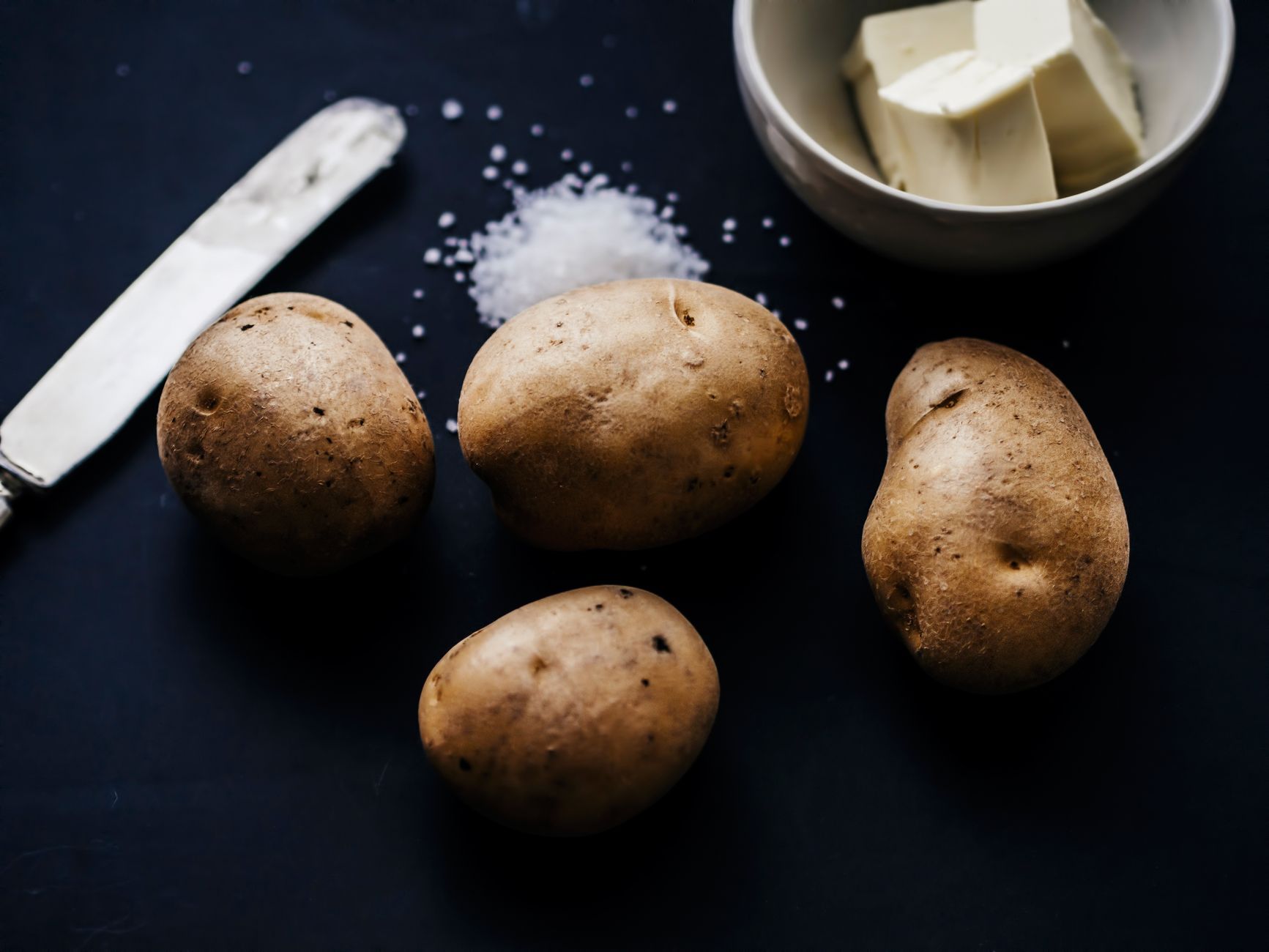
- **Raw Potato Chunks:** Peel and cut a medium-sized potato into 1-inch chunks. Add them to the simmering soup or gravy and cook for 15-20 minutes, or until tender. The potatoes absorb some of the salty liquid and release starch, which can help thicken the dish slightly. Be sure to remove them before serving.
- **Uncooked Pasta or Rice:** A small handful of uncooked pasta (like orzo or ditalini) or rice can be added to soups. They will cook in the salty liquid, absorbing some of it. Remember to account for the additional carbs and liquid absorption when serving.
- **Crustless Bread:** For gravies or very thick soups, a few pieces of crustless white bread can be simmered for 5-10 minutes. The bread will soak up liquid and salt; remove it before serving.
- **Method effectiveness rating:** Moderately effective. This method helps by absorbing some salty liquid and adding a bland element, rather than purely reducing salt concentration.
- **Scientific explanation:** Starch molecules are excellent at absorbing water, and since salt is dissolved in the water, some salt will be absorbed along with it. Additionally, the bland starch provides a counterpoint to the intense saltiness on your palate.
- **Time considerations:** Requires simmering for 15-20 minutes, then removal of the starchy ingredient.
Method 3: Adding Acidic Ingredients
While this method doesn’t remove salt, it expertly balances the perception of saltiness. Acid tricks your taste buds, making the dish seem less salty by introducing a bright, sour note that cuts through the salt.
- **Ingredient-by-ingredient solutions:**
- **Lemon or Lime Juice:** Start with a teaspoon or two. Its bright, zesty flavor is excellent for many soups and gravies, especially those with poultry or vegetables.
- **Vinegar:** Apple cider vinegar, white wine vinegar, or even a touch of balsamic vinegar (depending on the dish) can work. Begin with a quarter teaspoon and taste.
- **Canned Diced Tomatoes or Tomato Paste:** For heartier soups and gravies, the acidity of tomatoes can be a game-changer. Add a tablespoon of paste or half a cup of diced tomatoes and simmer to meld flavors.
- **Method effectiveness rating:** Highly effective for balancing flavor perception. This is an excellent way to mask an oversalted recipe fix.
- **Scientific explanation:** Acidic flavors stimulate different taste receptors on the tongue, creating a complex flavor profile that masks or balances the overwhelming saltiness. Think of how a squeeze of lemon brightens almost any dish!
- **Time considerations:** Immediate, just stir in and taste. No additional cooking time needed for the acid itself.
Method 4: Sweetness Balance
A touch of sweetness can help counteract an oversalted recipe fix by mellowing the sharpness of the salt without necessarily making the dish sweet. It’s about achieving balance.
- **Ingredient-by-ingredient solutions:**
- **A Pinch of Sugar:** Granulated sugar, brown sugar, or even a tiny amount of honey or maple syrup can work. Start with a quarter teaspoon.
- **Grated Carrots or Onions:** For appropriate dishes, simmering finely grated carrots or caramelized onions can add natural sweetness while also diluting the salt content slightly.
- **Method effectiveness rating:** Moderately effective for flavor balancing. It won’t reduce salt in gravy but will make it more palatable.
- **Scientific explanation:** Sweetness and saltiness are known to interact on the palate. A small amount of sugar can ’round out’ the sharp edges of excessive salt, similar to how salt enhances the flavor of baked goods.
- **Time considerations:** Immediate for sugar/honey; longer if adding vegetables that need to cook down.
Method 5: Dairy Additions
For creamy soups or gravies, dairy products can be a savior. The fat and protein in dairy help to coat the palate, reducing the direct impact of the salt, while also adding richness and volume.
- **Ingredient-by-ingredient solutions:**
- **Heavy Cream or Full-Fat Milk:** Stir in a quarter to half a cup. This works wonderfully for cream-based soups, bisques, or even some chicken gravies.
- **Sour Cream or Plain Yogurt:** For a slightly tangy finish, these can be stirred in just before serving (to prevent curdling if boiling). Their richness can help to mellow the salt.
- **Method effectiveness rating:** Moderately effective, primarily for creamy dishes. It helps to reduce salt in gravy by adding a rich, bland component.
- **Scientific explanation:** The fat and proteins in dairy products provide a protective coating for your taste buds, diminishing the direct interaction with salt ions. They also add body and richness, which can mask an overly sharp flavor profile.
- **Time considerations:** Immediate, just stir in and warm gently (do not boil sour cream or yogurt vigorously).
- **Pro Tip:** When adding dairy, ensure it’s at room temperature if possible to prevent temperature shocking and curdling, especially with sour cream or yogurt.
Prevention Tips for Future Cooking
The best way to fix salty soup gravy is to prevent it from happening in the first place! Here are some strategies:
- **Taste as You Go:** This is the golden rule. Taste your dish frequently throughout the cooking process, especially before and after adding seasoned ingredients.
- **Add Salt Gradually:** It’s much easier to add more salt than to remove it. Start with a small amount, taste, and adjust.
- **Use Unsalted or Low-Sodium Broth/Stock:** This gives you complete control over the salt content of your dish.
- **Be Mindful of Salty Ingredients:** Ingredients like soy sauce, bouillon cubes, cheese, olives, and cured meats all contain significant salt. Factor them into your overall salt calculations.
- **Measure Precisely:** For new recipes or when you’re unsure, use measuring spoons rather than guessing with pinches and dashes.
Frequently Asked Questions
Can you remove salt once it’s added to soup?
No, you cannot physically “remove” salt once it has dissolved into a liquid. The salt ions are dispersed throughout the solution. However, you can significantly dilute its concentration or balance its flavor with other ingredients, making the saltiness much less noticeable and the dish palatable.
What’s the best ingredient to dilute saltiness?
Unsalted broth or plain water are generally the best ingredients for diluting saltiness, as they increase the liquid volume without introducing additional flavor or salt. For creamy soups, unsalted full-fat milk or heavy cream can also be highly effective, adding richness while diluting.
Does cooking longer reduce saltiness?
Generally, no. Cooking longer can actually *concentrate* saltiness if liquid evaporates, especially in a stew or soup that’s reducing. While some volatile compounds might dissipate, salt itself is a mineral and does not evaporate or degrade with heat. The only exception would be if you were to add additional unsalted liquid to counteract evaporation, effectively diluting the salt over time.
Which fix works best for different soups?
The best fix depends on the type of soup:
- **Brothy Soups (e.g., chicken noodle, vegetable):** Dilution with unsalted broth or water is usually the first and best approach. A squeeze of lemon juice can also enhance the flavor balance.
- **Creamy Soups (e.g., cream of mushroom, bisque):** Dairy additions like heavy cream, milk, or even a dollop of sour cream work wonders for balancing salt and adding richness.
- **Hearty/Tomato-Based Soups (e.g., minestrone, chili):** Adding more unsalted canned tomatoes, plain tomato sauce, or a bit of sugar can help balance the saltiness. Starchy absorption with potatoes can also be effective here.
- **Gravies:** Dilution with unsalted broth or water is good, as are additions of cream or a bit of acid like white wine vinegar, depending on the base flavor.
Don’t despair when faced with an overly salty dish. With these practical strategies, you can confidently fix salty soup gravy too much salt, turning a potential kitchen disaster into a culinary success story. Experiment with these methods to find the perfect balance and save your next meal!











