Have you ever noticed how a meal just seems to sing, even before you take the first bite? Or perhaps, how a dish that tastes exquisite suddenly appears less appealing when served on a particular surface? This subtle yet profound influence is often attributed to the silent architects of our dining experience: our dinnerware.

Color Psychology and Appetite Stimulation
The human eye is remarkably sensitive to color, and these perceptions extend deeply into our psychological responses, particularly when it comes to food. The field of plate color food psychology reveals that colors can significantly impact our appetite, perceived taste, and overall dining pleasure. Warm colors like red, orange, and yellow are typically associated with energy and stimulation. Red, for instance, has been linked to increased heart rate and appetite, often seen in fast-food branding. Orange is inviting and evokes warmth, while yellow is cheerful and can stimulate salivary glands, preparing the palate for food. Conversely, cool colors such as blue and purple tend to suppress appetite. Blue is calming and often associated with nature, but it’s rarely found in natural foods (aside from berries), which might explain why it can make food seem less appealing. Green often signifies freshness and health, influencing perceptions of wholesome goodness, especially for vegetables.
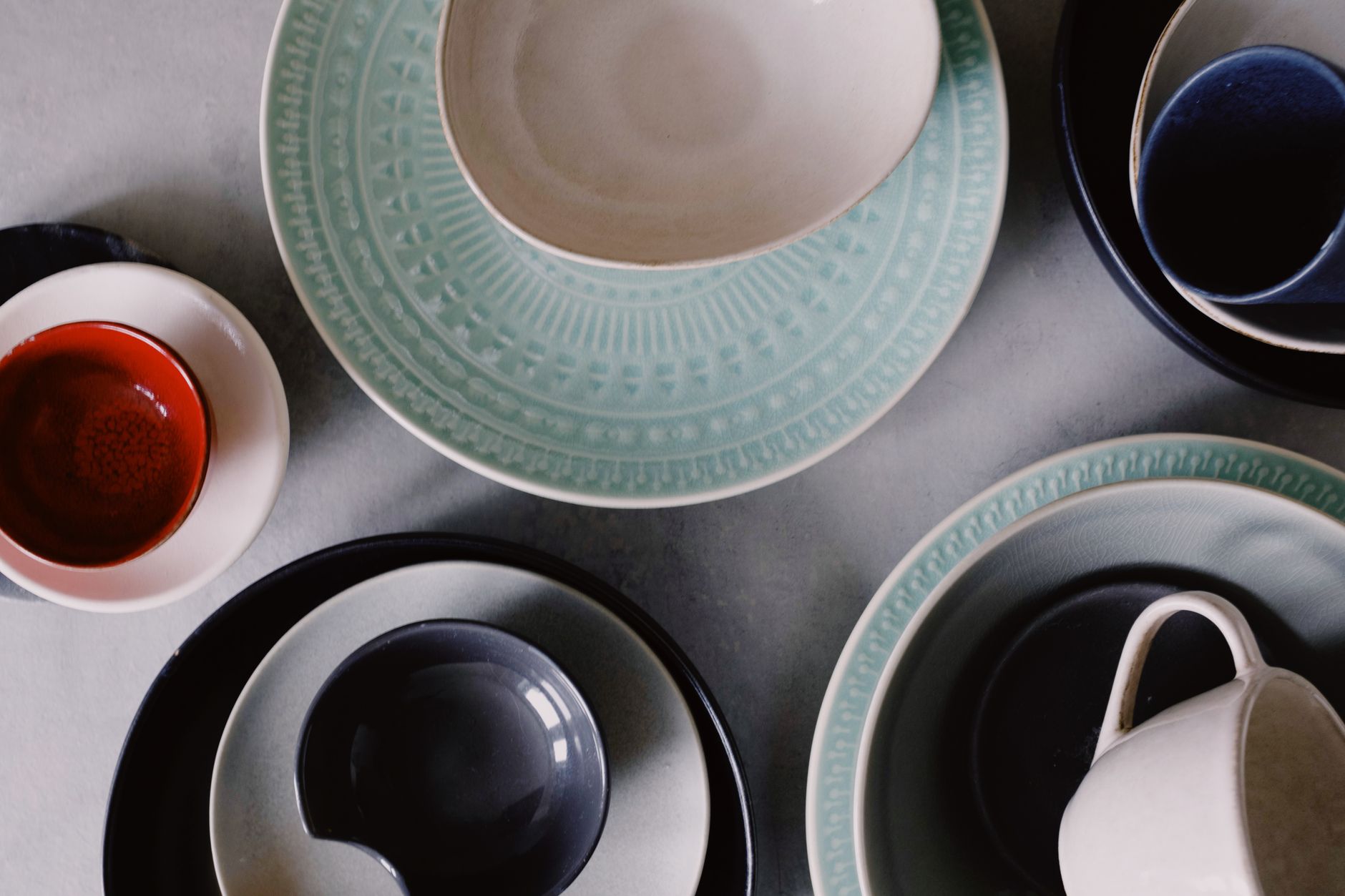
White Plates: The Restaurant Standard
Walk into any high-end restaurant, and you’ll overwhelmingly find dishes served on pristine white plates. This isn’t merely a matter of tradition; it’s a calculated decision rooted in dinnerware design appetite principles. White provides a neutral, high-contrast canvas that allows the food’s natural colors, textures, and artful arrangements to truly pop. Research has shown that food presented on white plates can appear more vibrant, and even taste better. For instance, a study published in the Journal of Consumer Research found that subjects rated the same strawberry mousse as tasting sweeter and more intensely flavored when served on a white plate compared to a black one. White also conveys a sense of cleanliness, purity, and sophistication, reinforcing the perception of quality cuisine. It’s the ultimate backdrop for showcasing a chef’s culinary artistry, making it a cornerstone for professional tableware food styling.

- **Pro Tip:** For home dining, a set of classic white plates is an essential foundation. They’re versatile, timeless, and guaranteed to make your culinary creations shine, regardless of the cuisine.
Dark Plates: Drama and Contrast
While white plates offer a bright stage, dark dinnerware, such as black, charcoal grey, or deep navy, brings an element of drama and sophistication to the table. Dark plates excel at making lighter, brightly colored foods stand out with striking contrast. Think of a vibrant yellow lemon tart or a rich green pesto pasta against a matte black plate – the colors appear more intense and captivating. These plates are particularly effective for dishes with pale sauces, light proteins, or colorful garnishes. However, caution is advised with darker foods; a rich beef stew or a dark chocolate dessert might visually recede or get lost on a black plate, making it less appealing. The key is to consider the overall color palette of your dish when choosing dark dinnerware shape color food presentation.
Colored Dinnerware: Strategic Choices
Beyond the classic white and dark options, colored dinnerware offers a spectrum of possibilities for strategic food pairing and mood setting. Utilizing color psychology research and food pairing guidelines can elevate your dining experience:
- **Red & Orange:** Use sparingly for stimulating appetite. Ideal for hearty, rustic dishes, or to emphasize warmth in fall-themed meals.
- **Yellow:** Evokes happiness and light. Excellent for breakfast items, citrus-based dishes, or desserts. Be mindful of very pale foods that might get lost.
- **Green:** Associated with freshness, health, and nature. Perfect for salads, vegetarian dishes, or light spring meals. It can enhance the perception of a dish’s natural ingredients.
- **Blue & Purple:** These colors generally suppress appetite and are best used cautiously. However, they can create a calming, elegant atmosphere for certain desserts (e.g., berry-based) or cool-toned dishes. For sushi or seafood, a soft blue can evoke the ocean.
- **Earthy Tones (Brown, Terracotta):** Convey naturalness, warmth, and groundedness. Wonderful for rustic, comfort foods, or dishes with strong, earthy flavors like mushrooms or root vegetables.
The right colored dinnerware can transform a meal from merely functional to a sensory experience, guiding the diner’s perception before the first bite.
Plate Shape and Food Presentation
Beyond color, the dinnerware shape color food presentation plays a crucial role in how we perceive a dish. Different shapes evoke different feelings and present food in distinct ways:
- **Round Plates:** These are the most common and universally comforting. Their soft lines suggest generosity, warmth, and tradition. Round plates are excellent for saucy dishes, pasta, stews, and meals where ingredients are meant to mingle. They create a natural focal point for the food in the center.
- **Square & Rectangular Plates:** Offering a modern, structured aesthetic, these shapes convey sophistication and precision. They are ideal for minimalist plating, dishes with distinct components that need separation, or architectural presentations. They can make portions appear larger due to the defined edges, and offer interesting angles for tableware food styling.
- **Oval Plates:** A graceful compromise between round and rectangular, oval plates are excellent for serving whole fish, roasts, or a series of smaller components. They offer an elongated canvas for creative arrangements.
- **Organic/Irregular Shapes:** These artistic plates, often found in artisanal collections, can add character and uniqueness. They are perfect for nature-inspired dishes or when you want to make a bold, creative statement, lending a rustic or avant-garde feel to the presentation.
Matching Dinnerware to Cuisine Type
The best dinnerware shape color food presentation often aligns with the cultural origins and characteristics of the cuisine itself.
- **Asian Cuisine:** Often favors clean lines and minimalist aesthetics. Square or rectangular plates, small bowls, and individual serving dishes are common for sushi, stir-fries, or bento-style meals. Colors tend to be neutral (white, black, grey) to let the intricate textures and vibrant colors of the food shine.
- **Italian Cuisine:** Embraces warmth and generosity. Large, round plates are typical for pasta dishes, risottos, and pizzas. Earthy tones, rustic ceramics, or classic white plates that allow the vibrant reds of tomatoes and greens of basil to stand out are often preferred.
- **Modern European/Fine Dining:** Emphasizes artistry and precision. White, oversized round or square plates provide ample space for sparse, architectural plating. Often, unusual or custom shapes are incorporated to highlight a chef’s unique vision.
- **American Comfort Food:** Often benefits from classic round plates, sometimes with a slightly raised rim. Colors can be varied, from classic white to subtle blues or greens, depending on the dish. Generous portions are often key, so larger plates are preferred.
For your home dining, consider having a mix of versatile shapes and colors. A core set of white round plates for everyday use, complemented by a few specialty pieces like square plates or dark bowls, can provide a diverse canvas for all your culinary adventures.
Frequently Asked Questions
Does plate color really affect how food tastes?
Yes, research strongly suggests that plate color can significantly influence our perception of how food tastes, even if the actual ingredients remain unchanged. Studies have shown that a serving of chocolate mousse tasted sweeter and more appealing to participants when presented on a white plate compared to a black plate. This phenomenon is largely due to our brain’s interpretation of visual cues. The contrast between the food and the plate color can enhance or diminish the vibrancy of the food, affecting our expectations and, consequently, our sensory experience. A plate color that creates high contrast makes the food appear more distinct and often more appetizing, leading us to perceive it as tasting better.
What plate shape is best for different foods?
The “best” plate shape depends heavily on the type of food and the desired presentation. Round plates are universally versatile and comforting, excellent for saucy dishes like pasta, stews, and risottos, as they naturally contain liquids and present food in a cohesive mound. Square or rectangular plates lend themselves to more structured, modern, or minimalist presentations, ideal for individual components that need to stand out, like a seared steak with neatly arranged side dishes, or for creating an artistic layout. Deep bowls are, of course, best for soups, hearty stews, salads with ample dressing, or any dish that benefits from being contained, ensuring both practicality and an inviting visual appeal. Ultimately, it’s about choosing a shape that complements the food’s form, texture, and the dining experience you wish to create.
Why do restaurants use white plates?
Restaurants, especially those focused on fine dining, predominantly use white plates for several compelling reasons. Firstly, white provides a neutral and high-contrast backdrop, allowing the colors, textures, and precise arrangements of the food to stand out without any visual interference from the plate itself. This enhances the perceived vibrancy and appeal of the dish. Secondly, white plates convey a strong sense of cleanliness, purity, and professionalism, which is crucial for building guest confidence and reinforcing the quality of the establishment. Lastly, white dinnerware is incredibly versatile, adapting seamlessly to any cuisine, decor, or seasonal menu change, making it a practical and enduring standard for sophisticated dinnerware design appetite.
- **Pro Tip:** For a minimalist home setup, invest in a core set of large white dinner plates (around 10-11 inches), smaller white salad plates (7-8 inches), and versatile white bowls. These will serve you well for almost any meal.
- **Pro Tip:** When selecting colored dinnerware for home, consider shades that naturally complement foods you frequently cook. A soft green for vegetable-heavy meals or an earthy terracotta for roasted dishes can elevate your presentation without clashing.
Choosing the right dinnerware isn’t just about aesthetics; it’s a profound act of enhancing flavor perception and enriching the dining experience through thoughtful design and psychological understanding. By considering the interplay of color and shape, you can transform every meal into an inviting culinary presentation.











