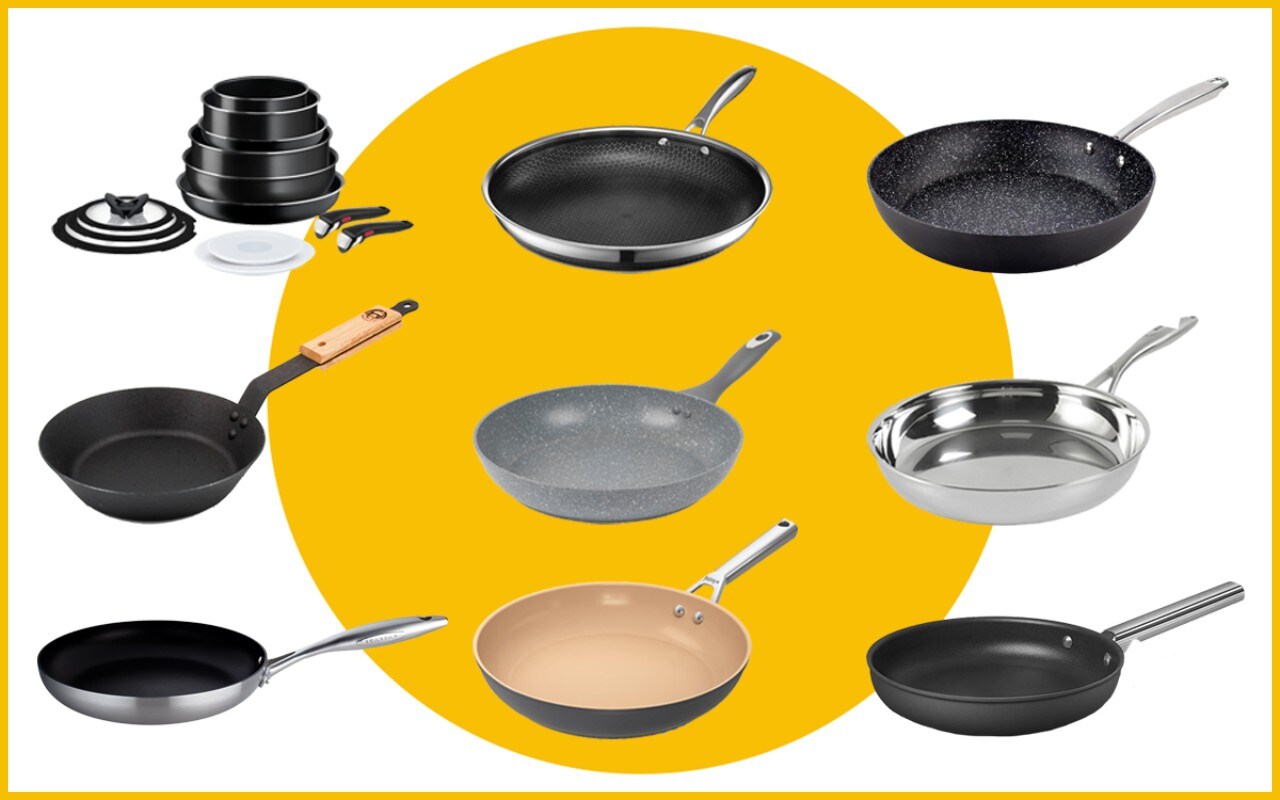
Choosing the Best Materials for Frying Pans
Frying pans are an essential tool in any kitchen, used for a variety of cooking techniques such as sautéing, searing, and frying. When selecting a frying pan, one of the key considerations is the material it is made of. The material of the frying pan can greatly impact its performance, durability, and safety. Let’s explore some of the best materials to consider when choosing a frying pan:
1. Stainless Steel
Stainless steel is a popular choice for frying pans due to its durability, resistance to stains and corrosion, and ability to maintain flavor integrity. Stainless steel pans are also non-reactive, making them a safe choice for cooking acidic foods like tomatoes and citrus fruits.
2. Cast Iron
Cast iron frying pans are prized for their excellent heat retention and even cooking. They are ideal for achieving a deep sear on meats and can withstand high cooking temperatures. With proper seasoning and care, cast iron pans can also develop a natural non-stick surface over time.
3. Non-Stick Coated
Non-stick frying pans are popular for their convenience and ease of cleaning. These pans have a coating that prevents food from sticking, making them ideal for cooking delicate items like eggs and pancakes with minimal oil. However, it’s essential to use non-metal utensils to avoid damaging the coating.
4. Copper
Copper pans are prized for their excellent heat conductivity, allowing for precise temperature control during cooking. They are also aesthetically pleasing and can add a touch of elegance to your kitchen. However, copper pans are often more expensive and require regular polishing to maintain their appearance.
5. Carbon Steel
Carbon steel pans are lightweight yet durable, offering similar cooking properties to cast iron pans. They heat up quickly, making them ideal for tasks that require rapid temperature changes. Carbon steel pans can also develop a natural non-stick surface when properly seasoned.
6. Aluminum
Aluminum frying pans are lightweight and excellent conductors of heat, allowing for even cooking. These pans are often more affordable than other materials and are available in non-stick or hard-anodized versions for added durability. However, aluminum pans may react with acidic foods and are prone to denting and warping.
Final Thoughts
When choosing a frying pan, consider your cooking needs, budget, and maintenance preferences. Each material has its own set of advantages and considerations, so pick the one that best suits your cooking style.
Remember to properly care for and maintain your frying pan to ensure its longevity and performance. A well-chosen frying pan can enhance your cooking experience and help you create delicious meals with ease.











