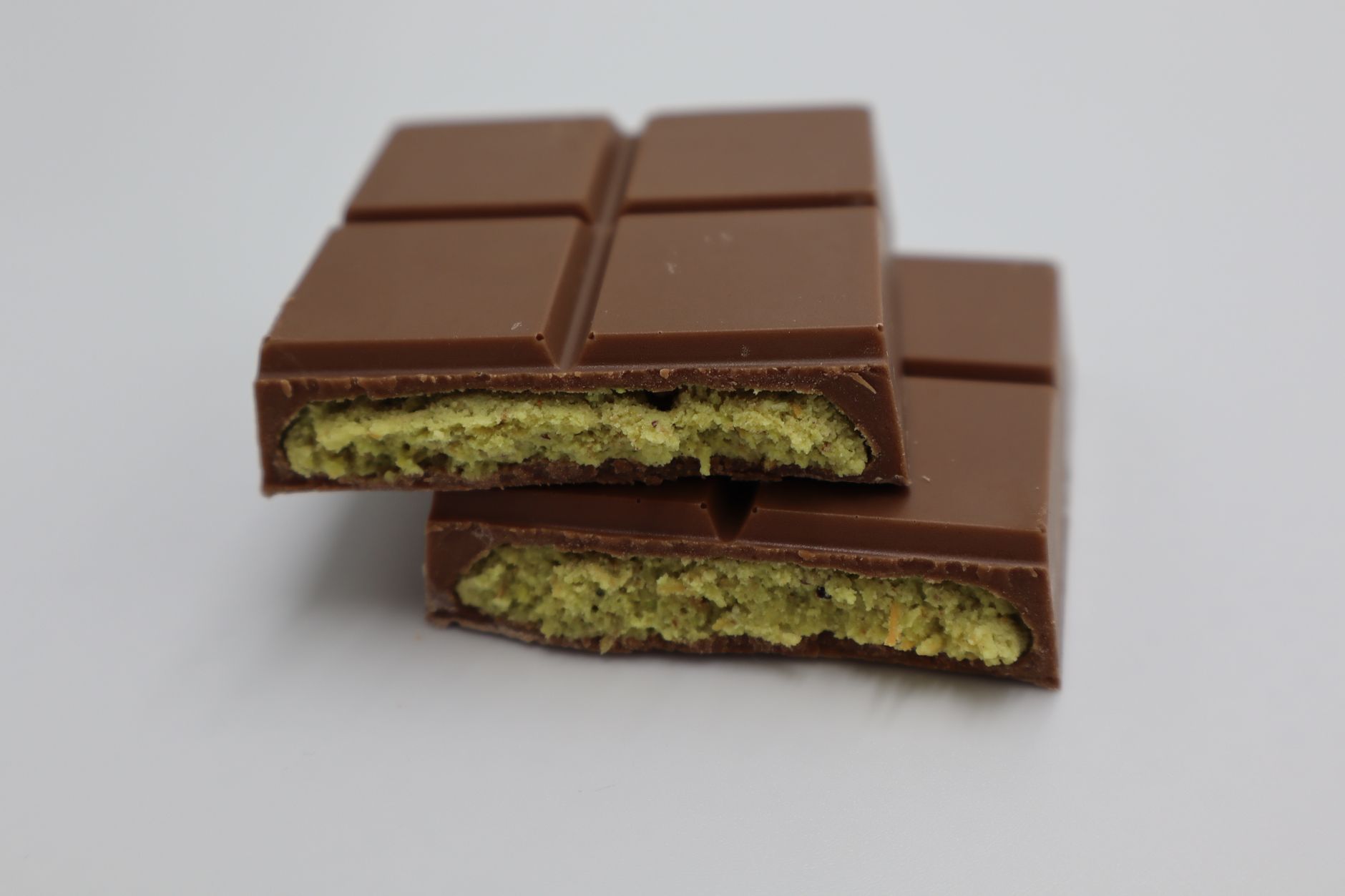
If you have scrolled through social media lately, you have undoubtedly seen the thick, decadent chocolate bars filled with crispy knafeh pastry and pistachio butter. Recreating these sweet treats in your own kitchen is incredibly rewarding, but the process can quickly go wrong if your outer shell cracks, leaks, or turns cloudy. Choosing the best chocolate for Dubai bars is the single most important step to ensure your homemade confections look and snap just like the professional versions.
Understanding Chocolate Types for Dubai Bars
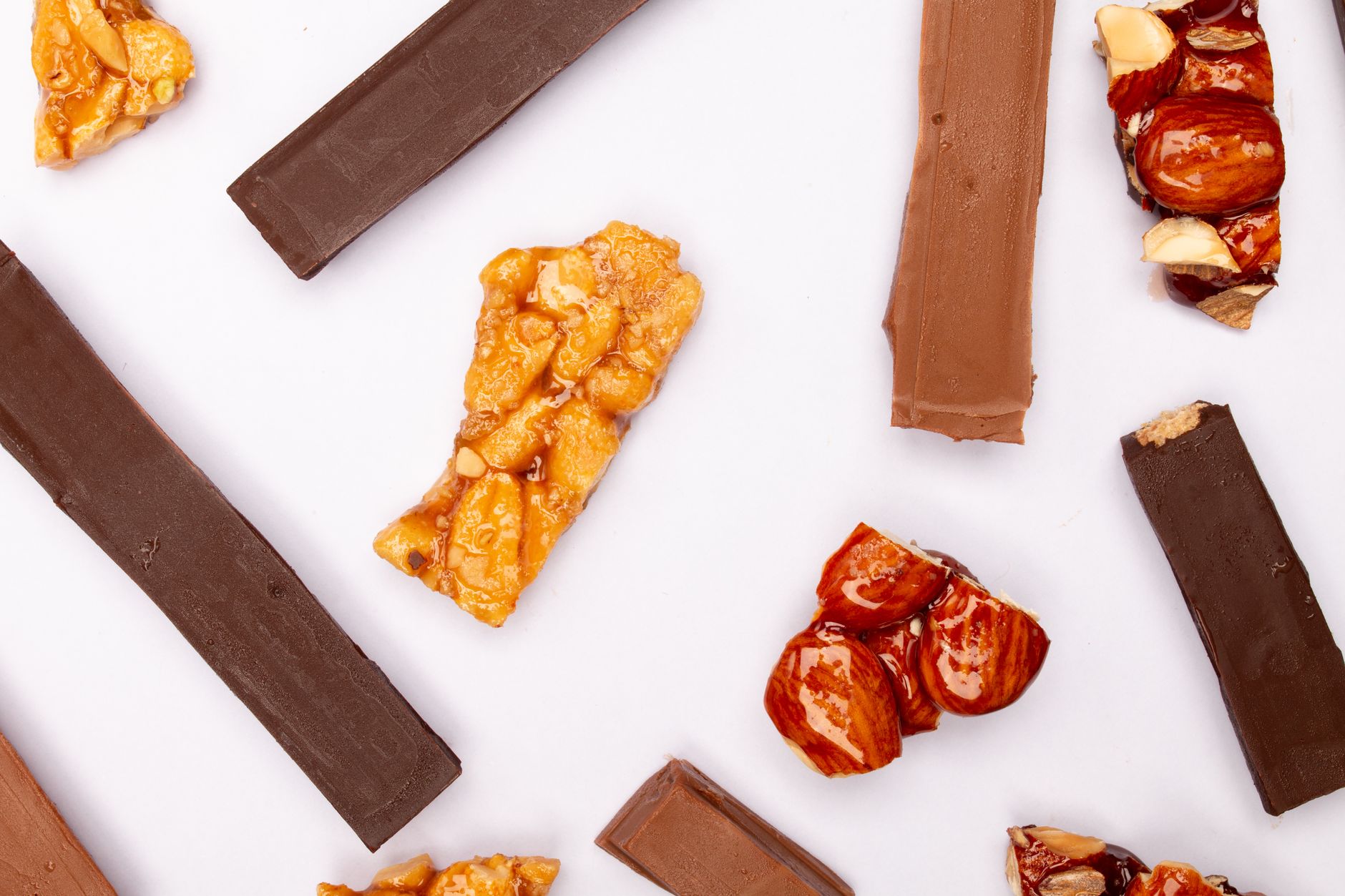
To successfully recreate this dessert at home, you must choose the right category of chocolate. The type of chocolate you select impacts the taste, texture, and ease of preparation. When selecting your homemade Dubai bar chocolate, you must decide between real chocolate and compound chocolate.
Dark chocolate is a popular option because its pleasant bitterness cuts through the rich, sweet pistachio and tahini paste filling. High-quality dark chocolate contains cocoa butter and chocolate liquor, which yield a crisp snap when tempered correctly. For a balanced flavor profile, look for dark chocolate with a cocoa percentage between 54% and 70%. Excellent US brands for dark chocolate include Guittard Extra Dark Baking Chips and Ghirardelli 60% Cacao Bittersweet Chocolate Baking Chips.
Milk chocolate is the traditional choice for the authentic Dubai dessert style. It has a sweeter flavor profile and a creamier texture due to the addition of milk solids. Because milk chocolate contains less cocoa butter than dark chocolate, it can be slightly softer at room temperature. For a premium finish, choose Lindt Classic Recipe Milk Chocolate or Callebaut Milk Chocolate Recipe No. 823 pistoles.
White chocolate is highly sensitive to heat because of its high sugar and milk content. While some home bakers use it to create decorative colorful drizzles on the outer shell, using it for the entire bar can make the dessert overly sweet. If you choose to work with white chocolate, select high-quality options like Baker’s Premium White Chocolate Baking Bar or Ghirardelli Premium Baking Chips.
Compound chocolate, often sold as candy melts or almond bark, replaces cocoa butter with vegetable fats like palm oil. It does not require tempering, making it highly accessible for beginners. However, it lacks the rich flavor and melt-in-the-mouth texture of real cocoa butter. Brands like Wilton Candy Melts and Merckens Cocoa Lite Melts are widely available in US craft stores and offer an easy option for creating a thin chocolate coating for Dubai bars without the stress of temperature management.
If you want the absolute highest quality, look for couverture chocolate. This premium chocolate contains a minimum of 31% cocoa butter, making it highly fluid when melted. This fluid property makes it the best chocolate for Dubai bars because it flows easily into molds to create a thin, even shell. Brands like Callebaut, Valrhona, and Guittard produce exceptional couverture wafers that are widely available online and in specialty baking shops in the US.
Melting Methods: Double Boiler vs Microwave
Melted chocolate is highly sensitive to temperature and moisture. To achieve a smooth consistency, you must use the correct equipment and carefully monitor the heat. Understanding the chocolate melting point Dubai bars require is essential for preventing scorched or lumpy coatings.
The double boiler method offers the most control over the heating process. To set up a double boiler, fill a medium saucepan with 1 to 2 inches of water and bring it to a gentle simmer. Place a heatproof glass or stainless steel bowl over the pan, ensuring the bottom of the bowl does not touch the water. Place your chopped chocolate or wafers in the bowl and stir constantly with a rubber spatula. For dark chocolate, keep the temperature of the melted liquid between 113°F and 120°F. For milk and white chocolate, keep the temperature lower, between 104°F and 113°F. Once the chocolate is fully melted and smooth, remove the bowl from the heat immediately to prevent overheating.
The microwave method is faster but requires strict attention to prevent burning. Place your chocolate in a microwave-safe bowl. Heat the chocolate on 50% power in 30-second intervals. After each interval, remove the bowl and stir the chocolate thoroughly for at least 15 seconds. The heat from the bowl and the already melted chocolate will continue to melt the remaining solid pieces as you stir. Stop heating when there are still a few small solid lumps left, and stir continuously until the residual heat melts them completely. Never microwave chocolate on high power, as this will scorch the cocoa solids and ruin the texture.

Temperature Control and Coating Techniques
Achieving a professional finish requires proper molding techniques. If your chocolate layer is too thick, the bar will be difficult to bite into. If the layer is too thin, the crispy pistachio filling will break through the shell during unmolding.
To begin, pour a small amount of melted chocolate into each cavity of your silicone bar mold. Use a clean, food-safe pastry brush or the back of a small spoon to paint the chocolate up the sides of the mold, ensuring there are no gaps or thin spots. Tap the mold gently on your countertop to release any trapped air bubbles. Place the mold in the refrigerator for 5 to 10 minutes to set the chocolate shell before adding your cooled knafeh filling. Leave a small gap at the top of the mold for the final layer of chocolate to seal the bar, then chill the completed bars for 20 to 30 minutes until fully firm.
- Keep all kitchen utensils and molds completely dry, as a single drop of water will cause your melted chocolate to tighten into a dry, clumpy paste.
- If you are using real chocolate but do not want to go through the complex tempering process, add 1 teaspoon of virgin coconut oil per 1 cup of chocolate chips to help thin out the mixture and add a subtle shine.
- Avoid freezing your chocolate bars to speed up the setting process, as rapid temperature shifts can cause condensation to form, leading to sugar bloom and a sticky surface.
Troubleshooting Common Chocolate Problems
Even experienced bakers encounter issues when working with melted chocolate. Understanding how to address these problems will save your ingredients and your time.
If your chocolate becomes thick, grainy, and impossible to pour, it has likely seized. This happens when moisture enters the chocolate or when it overheats. You can sometimes rescue seized chocolate by stirring in a teaspoon of warm coconut oil or vegetable shortening at a time until the mixture smooths out.
If your finished bars have white streaks or a cloudy appearance, they are experiencing chocolate bloom. Fat bloom occurs when the cocoa butter separates and rises to the surface due to poor tempering or warm storage conditions. While bloomed chocolate is still safe to eat, it loses its appealing look and snap. Keep your completed bars stored in a cool, dry place between 60°F and 68°F to maintain their shiny appearance.
Frequently Asked Questions
Can I use milk chocolate instead of dark chocolate for Dubai bars?
Yes, milk chocolate is the traditional choice for these bars. It provides a sweet, creamy contrast to the nutty pistachio filling. However, because the knafeh and pistachio mixture is naturally sweet, some bakers prefer using semi-sweet or dark chocolate to balance the overall sweetness of the dessert.
What’s the ideal chocolate melting temperature for Dubai bars?
The ideal melting temperature depends on the type of chocolate you use. Dark chocolate should be heated to 113°F to 120°F. Milk chocolate and white chocolate are more heat-sensitive and should only be heated to 104°F to 113°F to prevent scorching and graininess.
How do I prevent chocolate from seizing when melting for Dubai bars?
To prevent seizing, ensure that all bowls, spatulas, and molds are completely dry before you begin. Avoid covering your melting chocolate with a lid, as condensation will form on the underside of the lid and drip back into the bowl. If using a double boiler, keep the water at a gentle simmer rather than a rapid boil to prevent steam from rising into your chocolate bowl.
Is couverture chocolate better than regular chocolate for Dubai bars?
Yes, couverture chocolate is the absolute best chocolate for Dubai bars if you want a professional finish. It contains a higher percentage of cocoa butter than standard baking chips, allowing it to melt into a thin, fluid consistency that easily coats the detailed crevices of your mold. It yields a shiny appearance and a crisp, clean snap when broken.
Conclusion
By selecting a high-quality chocolate with plenty of cocoa butter and melting it slowly with gentle heat, you will achieve a beautiful, glossy coating that makes your homemade Dubai bars look as spectacular as they taste.











