Understanding Vegetable Shortening in Baking
When it comes to baking, ingredients play a crucial role in determining the taste, texture, and overall success of baked goods. Vegetable shortening is one such ingredient that is commonly used in baking recipes as a fat source. But what exactly is vegetable shortening, and how does it impact your baked creations?
What is Vegetable Shortening?
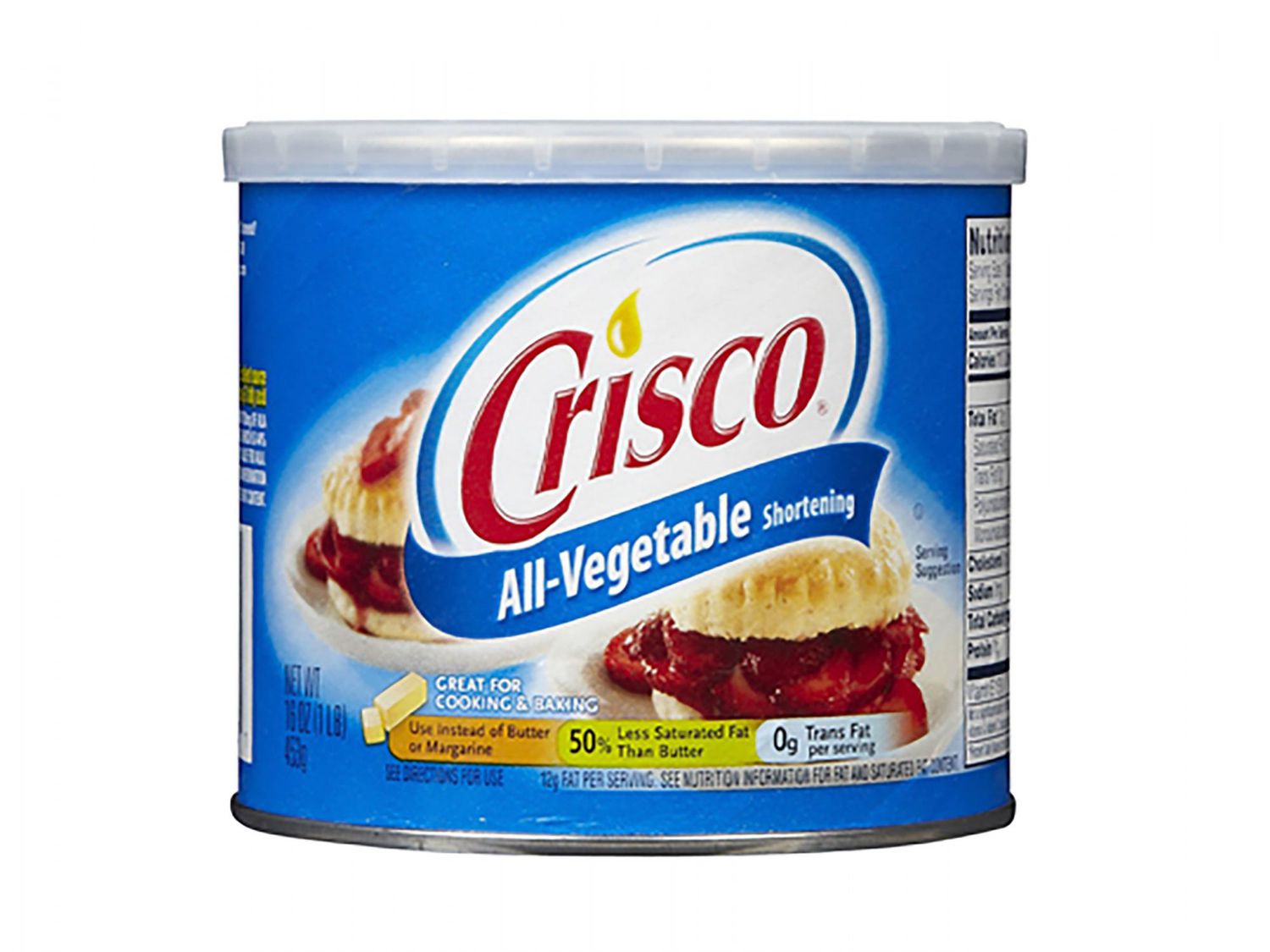
Vegetable shortening is a solid fat made from hydrogenated vegetable oils, such as soybean, palm, or cottonseed oil. The hydrogenation process transforms the liquid oils into a solid form, resulting in a product with a high melting point and a smooth texture. This characteristic makes vegetable shortening an ideal fat for baking, as it helps create tender and flaky pastries, pie crusts, biscuits, and other baked goods.
Role of Vegetable Shortening in Baking
Vegetable shortening serves multiple functions in baking. One of its primary roles is to create a tender and crumbly texture in baked goods. When vegetable shortening is incorporated into the dough or batter, it coats the flour particles, inhibiting gluten formation. This leads to a softer and more delicate final product, like in cookies and cakes.
Moreover, vegetable shortening can also contribute to the flakiness of pie crusts and pastries. Its high melting point ensures that the dough remains solid until it is placed in the oven, where the shortening melts and creates pockets of steam, resulting in a flaky and layered texture.
Substituting Vegetable Shortening
For those looking to avoid vegetable shortening or seeking alternatives, there are several substitutes that can be used in baking. Butter, lard, coconut oil, and margarine are common replacements for vegetable shortening, each bringing its unique flavor and characteristics to the baked goods.
It is essential to note that substituting vegetable shortening with other fats may slightly alter the taste and texture of the final product. Experimenting with different fats can help you achieve the desired outcome based on your preferences.
Conclusion
Vegetable shortening is a versatile ingredient in baking that contributes to the texture, tenderness, and flakiness of various baked goods. Understanding its role and characteristics can help you create delicious treats in your kitchen. Whether you choose to stick with vegetable shortening or opt for substitutes, experimenting with different fats can lead to exciting baking adventures.
For more culinary insights and recipes, visit Larrea Las Vegas.











