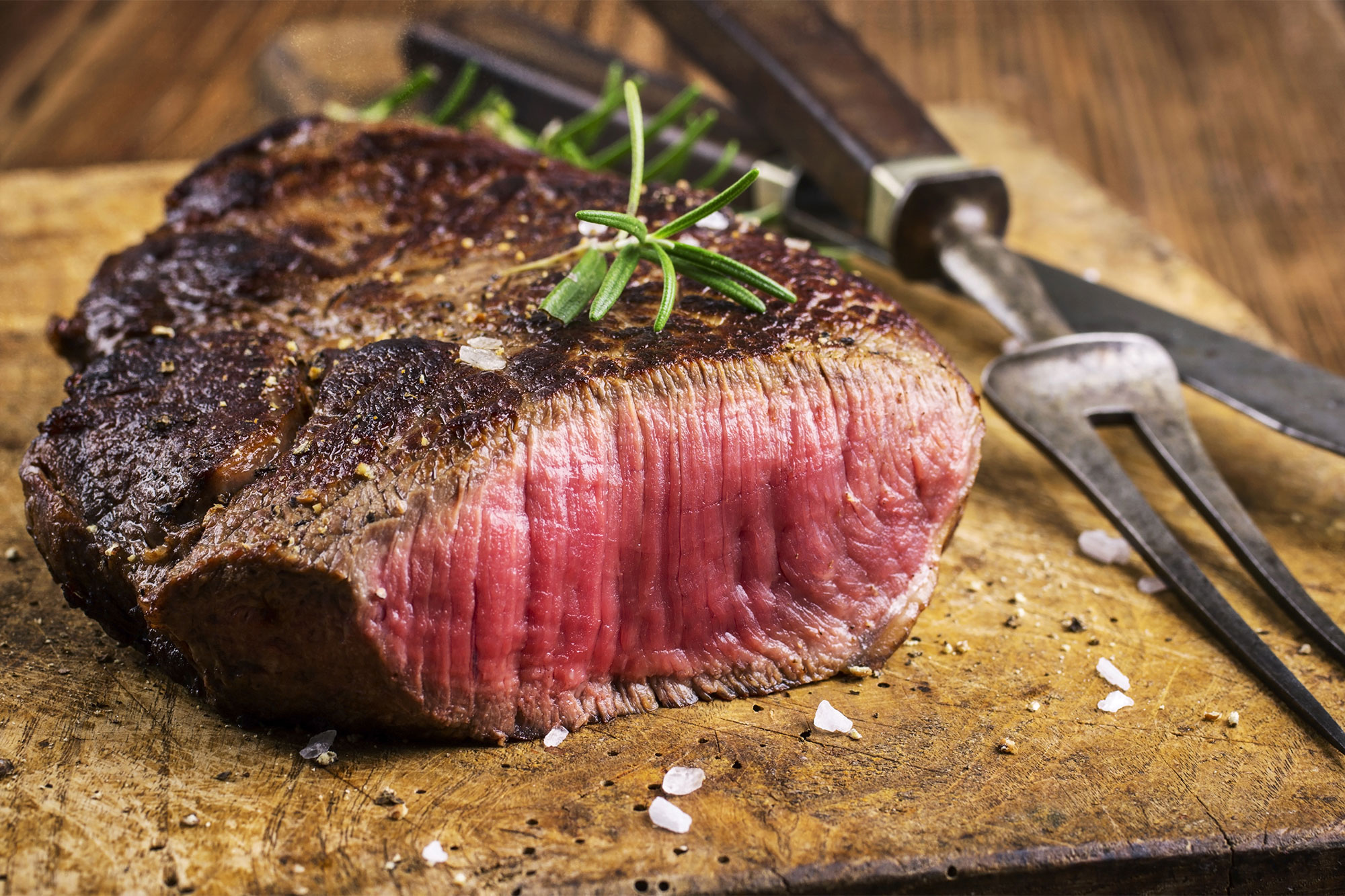
Understanding the Red Juice in Steak
When you cut into a perfectly cooked steak, you may notice a phenomenon that is often referred to as the “red juice.” This juice is not actually blood, as many people believe, but rather a mixture of water and a protein called myoglobin. Let’s explore what exactly this red juice is and why it appears in steak.
Myoglobin: The Culprit Behind the Red Juice
Myoglobin is a protein found in muscle tissue and is responsible for storing oxygen within muscle cells. When meat is cooked, the myoglobin in the muscle tissue undergoes chemical changes that alter its color. The red or pink color that we see in cooked steak is a result of these changes to the myoglobin molecule.
The Color Spectrum of Cooked Steak
The color of the juice in a steak can range from bright red to pink to brown, depending on the doneness of the meat. When steak is cooked rare or medium-rare, the myoglobin in the meat remains at a lower temperature and retains its red color, resulting in the characteristic red juice that is often associated with a perfectly cooked steak.
Health and Nutritional Aspects
Contrary to popular belief, the red juice in steak is not blood but rather a natural component of muscle tissue. This juice contains water, myoglobin, and other protein-rich compounds that contribute to the flavor and juiciness of the meat. Additionally, myoglobin is a good source of iron, which is essential for maintaining healthy blood and overall well-being.
- Red juice in steak is not blood but a mixture of water and myoglobin
- The color of the juice depends on the doneness of the meat
- Myoglobin in steak provides essential nutrients like iron
Next time you enjoy a juicy steak and see that red juice flowing, remember that it’s not blood but a natural protein that adds flavor and tenderness to your meal.
For more information on the science behind steak and cooking techniques, visit www.larrealasvegas.com.











