What is the difference between prebiotics and probiotics for digestive health?
You’re browsing the grocery store aisles, seeing labels proudly announcing “contains probiotics!” or “rich in prebiotics!” on everything from yogurt to granola bars. It’s fantastic that digestive health is gaining so much attention, but for many, the terms “prebiotics” and “probiotics” remain a source of confusion. Are they the same thing? Do they do the same job? And perhaps most importantly, do you need both for optimal well-being? Understanding the clear distinction between prebiotics vs probiotics is key to nurturing a healthy gut.
What Are Probiotics?
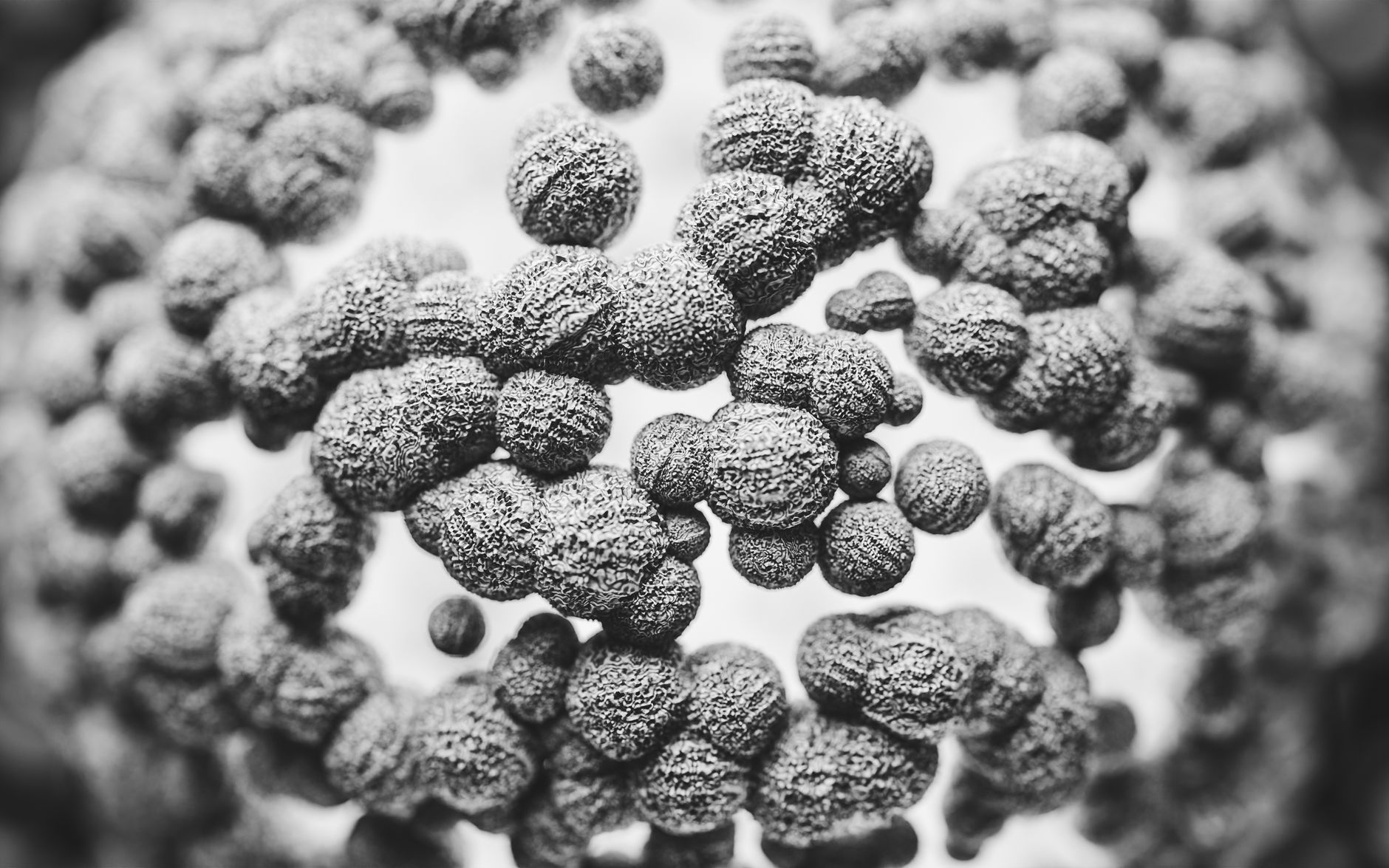
Imagine your gut as a bustling city, teeming with trillions of microscopic residents. Probiotics are the beneficial live bacteria and yeasts that inhabit this city, particularly your intestines. They are “good” microorganisms that, when consumed in adequate amounts, confer a health benefit to the host. These friendly little helpers play a crucial role in maintaining your digestive health by:
* Breaking down food and absorbing nutrients.
* Producing vitamins, like K and some B vitamins.
* Supporting the immune system, as a significant portion of our immune cells reside in the gut.
* Maintaining the balance of gut bacteria, preventing harmful bacteria from overgrowing.
* Potentially alleviating symptoms of certain digestive issues, such as irritable bowel syndrome (IBS) or antibiotic-associated diarrhea.
Think of probiotics as the skilled workers and protectors of your gut city, keeping everything running smoothly and defending against invaders.
What Are Prebiotics?
If probiotics are the good bacteria, then prebiotics are their preferred food source. Prebiotics are specialized plant fibers that are not digestible by the human body but are fermentable by the beneficial bacteria in your gut. When you consume prebiotic foods, these fibers travel undigested through your small intestine to your colon, where your gut bacteria feast on them. This fermentation process fuels the growth and activity of probiotics and other beneficial gut bacteria.
In essence, prebiotics act as fertilizer for your gut garden. By providing the right nutrients, they help your existing good bacteria thrive, multiply, and perform their essential functions more effectively. They contribute to a healthier gut environment, which in turn supports overall digestive health and beyond.
How They Work Together
The relationship between prebiotics vs probiotics is a classic example of synergy – they work better together than apart. Probiotics introduce new beneficial bacteria to your gut, while prebiotics nourish and sustain those new arrivals, as well as the existing good bacteria you already have. This dynamic duo is often referred to as “synbiotics” when combined, either in food or supplements, highlighting their complementary roles.
When you consume both prebiotics and probiotics, you’re not just introducing more good bacteria; you’re also creating an optimal environment for them to flourish. The prebiotics ensure that the probiotics have ample fuel to colonize the gut, multiply, and exert their health benefits effectively. This combined approach fosters a diverse and robust gut microbiome, which is strongly linked to improved digestion, enhanced immunity, and even better mood regulation.
Best Food Sources for Each
Incorporating both prebiotic foods and probiotic foods into your diet is the most natural and often most effective way to support your gut microbiome.
Probiotic Foods:
These foods contain live and active cultures of beneficial bacteria. Look for labels that explicitly state “live and active cultures” to ensure you’re getting the real deal.
- Yogurt: Opt for plain, unsweetened varieties with live and active cultures. A 6-ounce serving is a great daily choice.
- Kefir: A fermented dairy drink, similar to drinkable yogurt, offering a wider variety of probiotic strains. Try 1 cup daily.
- Sauerkraut: Fermented cabbage, rich in beneficial bacteria. Ensure it’s unpasteurized to retain live cultures. A 1/4 cup serving is a good start.
- Kimchi: A spicy Korean fermented cabbage dish, packed with probiotics and flavor. Enjoy 1/4 to 1/2 cup with meals.
- Kombucha: A fermented tea beverage known for its tangy taste and probiotic content. Drink 4-8 fluid ounces per day.
- Tempeh: A fermented soybean product, a great plant-based source of probiotics and protein. Incorporate 3-4 ounces into stir-fries or sandwiches.
Prebiotic Foods:
These are rich in specific types of fiber that feed your gut bacteria. Aim to include a variety of these in your daily meals.
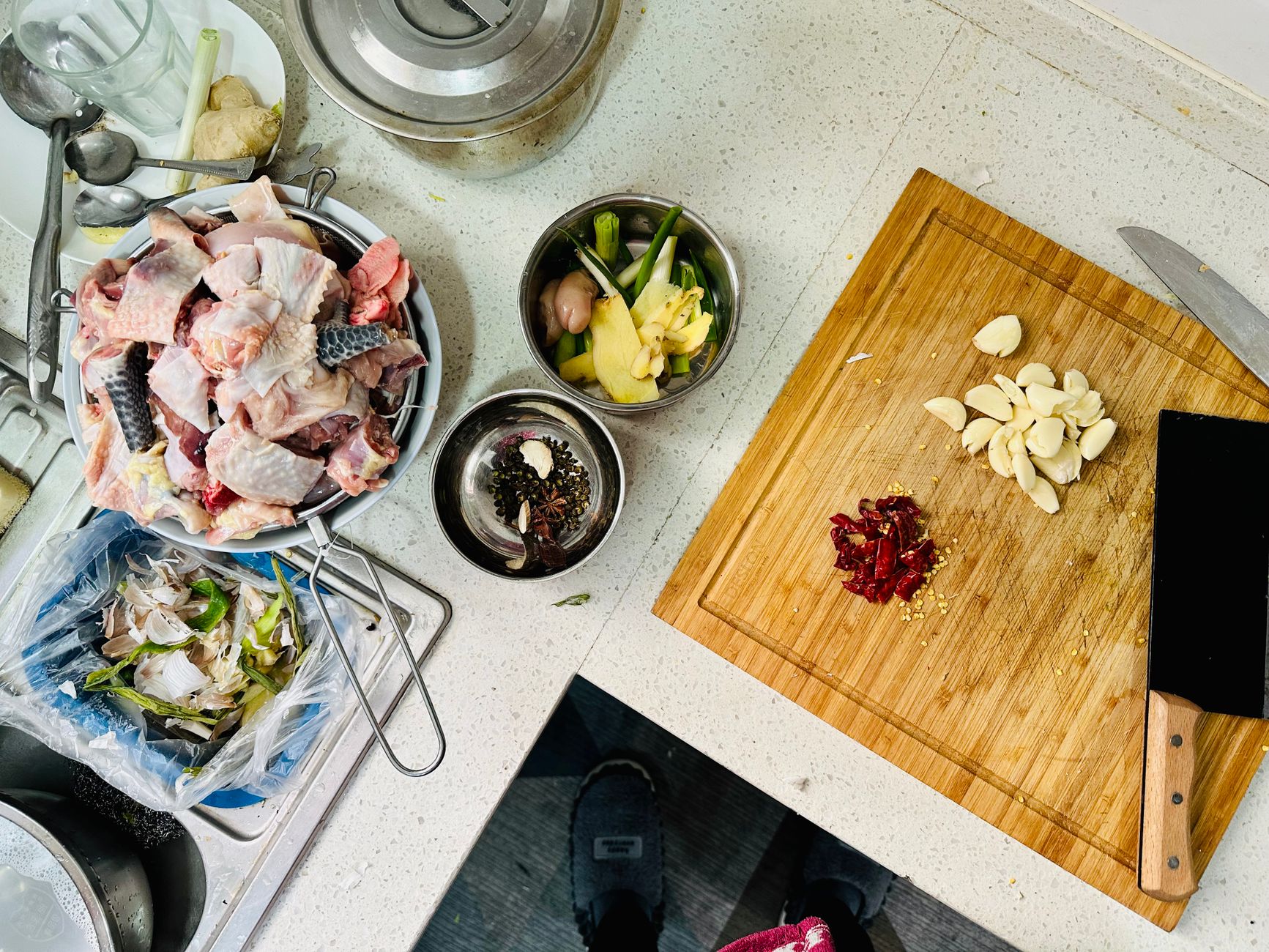
- Garlic: A potent source of prebiotics and flavor. Use several cloves in cooking daily.
- Onions: Similar to garlic, onions contain fructans that nourish gut bacteria. Incorporate 1/2 to 1 whole onion into your cooking.
- Leeks: A milder cousin to onions and garlic, excellent in soups and stir-fries. Use a medium leek (about 1 cup chopped).
- Asparagus: Especially the tips, are rich in inulin, a type of prebiotic fiber. Enjoy 5-7 spears as a side dish.
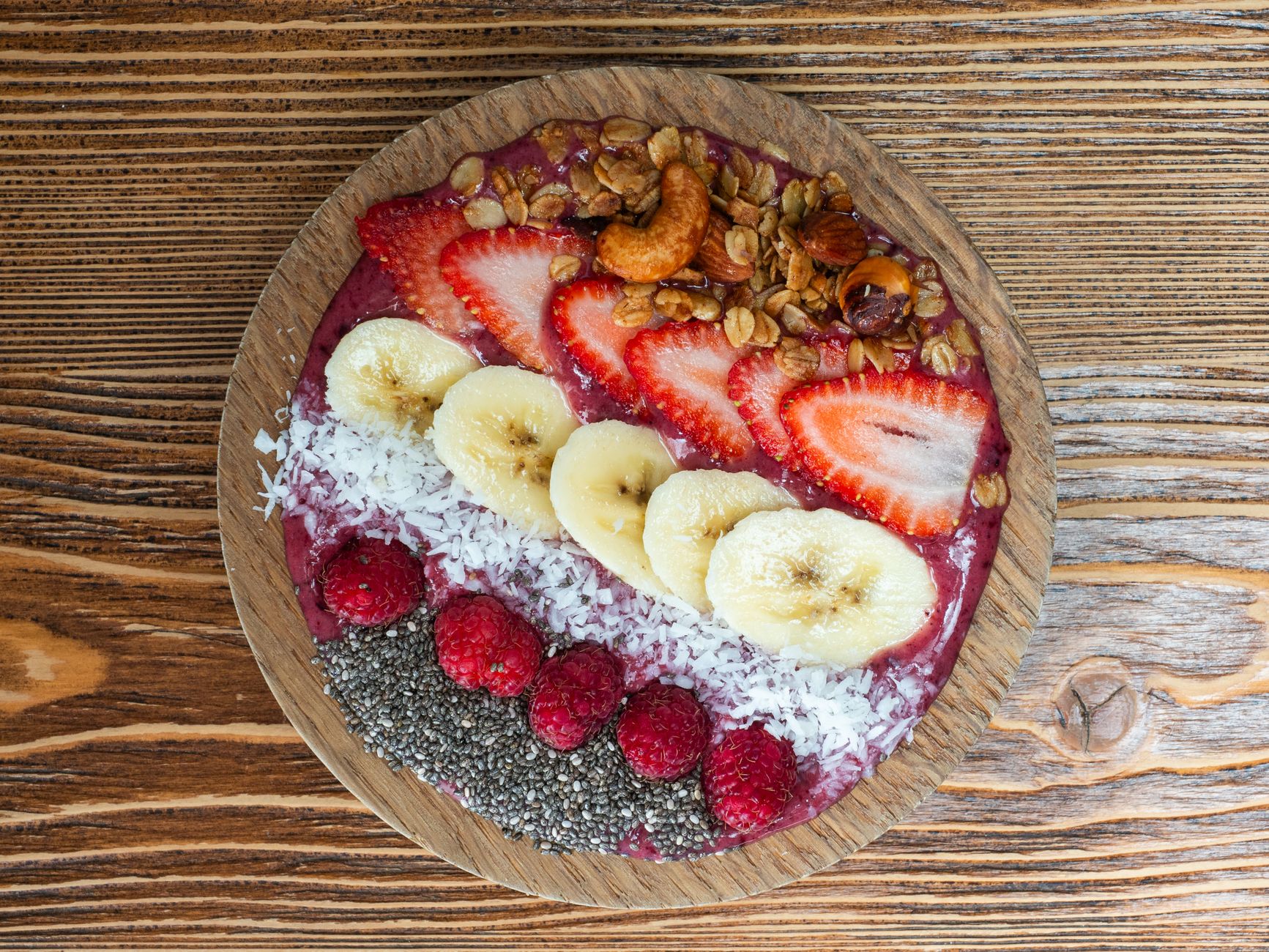
- Bananas: Slightly green bananas are particularly high in resistant starch, a prebiotic fiber. One medium banana per day is ideal.
- Oats: A fantastic source of beta-glucan fiber. Half a cup of dry oats for breakfast is a great way to start.
- Apples: The pectin in apples acts as a prebiotic. Don’t peel them to get the most benefit; one medium apple daily.
- Pro Tip 1: Start slowly when introducing new prebiotic-rich foods, especially if you’re not used to a high-fiber diet. This can help prevent initial digestive discomfort like bloating or gas.
- Pro Tip 2: Incorporate a diverse range of both prebiotic and probiotic foods into your diet. A varied diet supports a more diverse and resilient gut microbiome.
Should You Take Supplements?
While prioritizing whole foods is always recommended, supplements can play a role, especially if your dietary intake of prebiotics and probiotics is inconsistent or if you have specific digestive health goals.
When considering a probiotic supplement, look for one that specifies the strain (e.g., *Lactobacillus acidophilus*), the number of live cultures (measured in Colony Forming Units or CFUs), and has undergone third-party testing for quality and purity. A common dosage might range from 1 billion to 10 billion CFUs per day, but some products go much higher. It’s often recommended to take probiotic supplements with food, particularly a meal containing some fat, as this can help protect the bacteria from stomach acid.
Prebiotic supplements, often containing fibers like inulin or FOS (fructooligosaccharides), are also available. These can be helpful for those who struggle to consume enough fiber through diet alone. A typical dosage might be 3-5 grams per day, gradually increasing as tolerated.
However, supplements are not a substitute for a balanced diet. Always consult with a healthcare professional or a registered dietitian before starting any new supplement regimen, especially if you have underlying health conditions or are taking medications. They can help determine the right strains, dosage, and whether a supplement is appropriate for your individual needs.
- Pro Tip 3: If you’re on antibiotics, consider taking a probiotic supplement a few hours after your antibiotic dose, and continue for at least a week after finishing the antibiotics, to help replenish beneficial gut bacteria.
Frequently Asked Questions
Do you need both prebiotics and probiotics?
While you can benefit from either individually, their combined effect is generally more powerful. Probiotics introduce new beneficial bacteria, and prebiotics provide the nourishment for those bacteria, both new and existing, to thrive and multiply. Think of it as planting seeds (probiotics) and then watering and fertilizing them (prebiotics).
Which is more important for gut health?
Neither is “more important”; they are complementary. A healthy gut requires a thriving community of beneficial bacteria (probiotics) and the right fuel for them to grow and function optimally (prebiotics). Focusing on both through a balanced diet is the most effective strategy for long-term digestive health.
Can you get prebiotics and probiotics from food alone?
Absolutely! Many traditional diets are naturally rich in both prebiotic foods and probiotic foods. Fermented foods provide probiotics, while a wide variety of fruits, vegetables, and whole grains offer prebiotics. With thoughtful meal planning, you can easily obtain sufficient amounts of both without relying on supplements.
How long does it take to see results from prebiotics and probiotics?
The timeline for seeing results can vary widely among individuals, depending on factors like your current gut health, diet, and lifestyle. Some people may notice improvements in digestive comfort within a few days to a couple of weeks, while for others, it might take a month or even longer to experience significant changes. Consistency is key, so aim for regular intake of prebiotic and probiotic-rich foods or supplements.
A balanced approach to gut health
Navigating the world of prebiotics vs probiotics doesn’t have to be confusing. By understanding their distinct roles and how they work synergistically, you can make informed choices to nourish your gut and support your overall well-being. A diverse diet rich in both prebiotic and probiotic foods is your best bet for a happy, healthy digestive system.