Have you ever dined in a bustling restaurant, savoring a perfectly prepared dish, and wondered about the intricate ballet taking place behind the kitchen doors? Beyond the visible service, a complex ecosystem of professionals works in sync to create your dining experience. Understanding the distinct roles and responsibilities within this culinary hierarchy is key to appreciating the dedication and skill involved in running a successful kitchen.

The Head Chef (Executive Chef)
At the apex of the kitchen hierarchy is the Head Chef, often referred to as the Executive Chef in larger establishments. This individual is the creative visionary and operational leader, ultimately responsible for every aspect of the kitchen’s performance. They are not just cooks; they are managers, innovators, and mentors.
Daily Responsibilities:
- Menu Development: Designing and updating menus, creating new dishes, and sourcing ingredients.
- Staff Management: Hiring, training, scheduling, and evaluating all kitchen personnel.
- Kitchen Operations: Overseeing food preparation, ensuring quality control, and maintaining hygiene standards.
- Financial Management: Budgeting, managing inventory, controlling food costs, and dealing with suppliers.
- Liaison: Working closely with the restaurant manager and front-of-house staff to ensure a seamless dining experience.
Required Skills and Qualifications:
- Extensive culinary expertise across various cuisines and techniques.
- Strong leadership, communication, and organizational skills.
- Business acumen, including budgeting and inventory management.
- Creativity and innovation in menu development.
- Typically requires 5-10+ years of experience in various kitchen roles, often including a culinary degree or equivalent apprenticeship.
Salary and Benefits:
Head Chef salaries vary significantly based on the restaurant’s size, location, and prestige. In the United States, a Head Chef can expect to earn anywhere from $60,000 to $120,000+ annually. Benefits often include health insurance, paid time off, and sometimes performance bonuses or profit-sharing. High-end establishments or celebrity chefs can command much higher salaries.

The Sous Chef
The Sous Chef, whose title literally means “under chef” in French, is the Head Chef’s second-in-command. They are crucial for maintaining order and efficiency, acting as the bridge between the Head Chef’s vision and the daily operations on the line. They essentially run the kitchen in the Head Chef’s absence.
Daily Responsibilities:
- Supervision: Overseeing the line cooks and other kitchen staff, ensuring dishes are prepared to standard.
- Training: Assisting in the training and development of junior kitchen staff.
- Inventory and Ordering: Managing food stock, placing orders, and ensuring proper storage.
- Quality Control: Monitoring food quality, presentation, and consistency.
- Problem Solving: Handling immediate issues that arise during service, from equipment malfunctions to staff conflicts.
Required Skills and Qualifications:
- Strong culinary skills and proficiency in multiple stations.
- Excellent leadership and delegation abilities.
- Organizational skills for inventory and scheduling.
- Ability to work under pressure and make quick decisions.
- Typically requires 3-5 years of kitchen experience, often with a culinary degree or diploma.
Salary and Benefits:
Sous Chef salaries in the US generally range from $45,000 to $65,000 per year, depending on experience and the establishment. Benefits are usually similar to those offered to Head Chefs, including health insurance and paid time off, though perhaps with fewer performance-based bonuses.
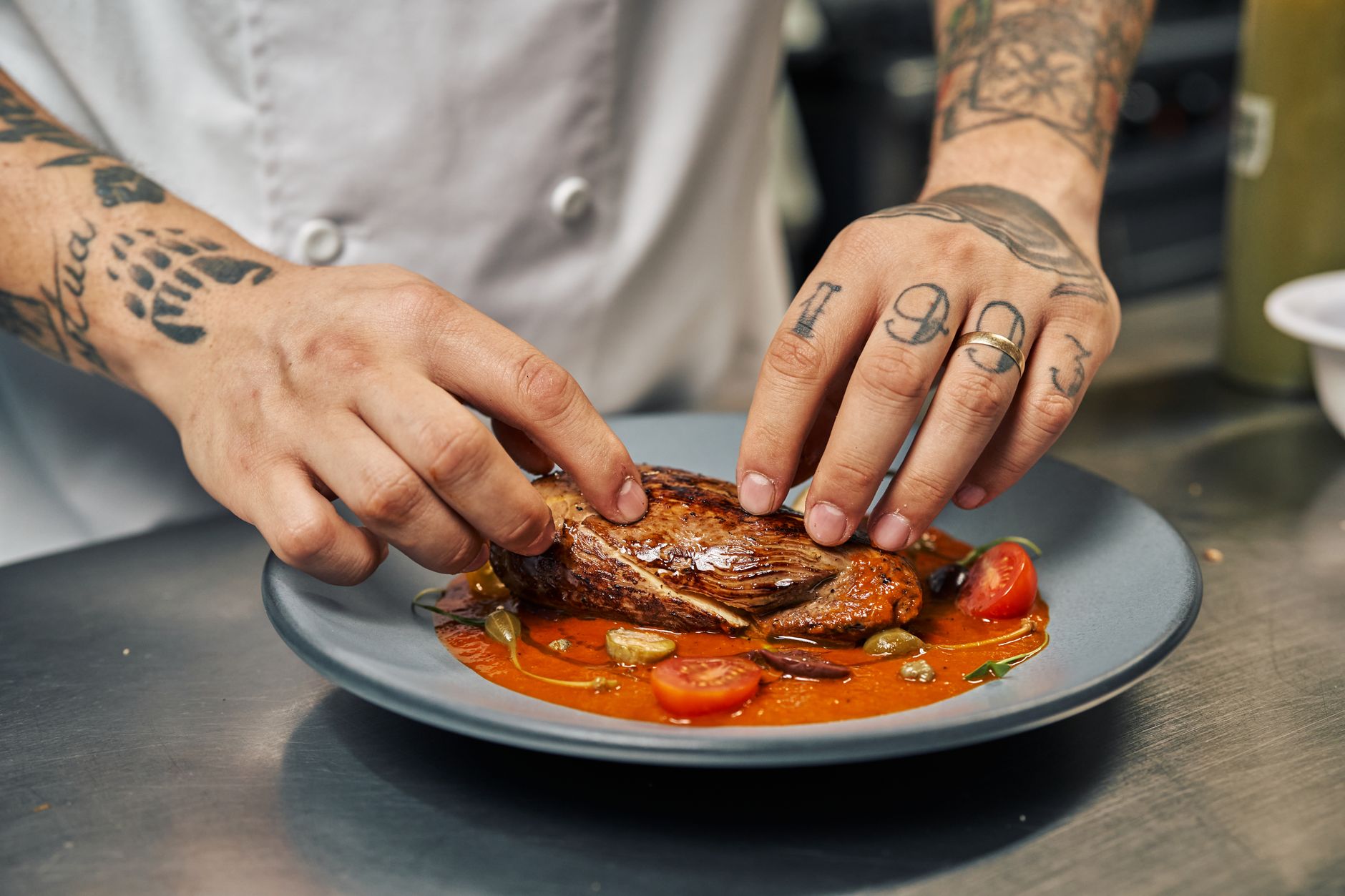
The Line Cook
Line cooks are the backbone of the kitchen, responsible for preparing individual components of dishes at their assigned station during service. Their precision, speed, and consistency are vital for delivering a smooth and efficient dining experience.
Daily Responsibilities:
- Preparation (Mise en Place): Prepping ingredients before service, such as chopping vegetables, portioning meats, or making sauces.
- Cooking to Order: Preparing specific menu items at their station (e.g., grill, sauté, fryer) according to recipes and plating instructions.
- Station Maintenance: Keeping their workspace clean, organized, and stocked throughout service.
- Food Safety: Adhering to strict food safety and hygiene protocols.
Required Skills and Qualifications:
- Basic to intermediate culinary skills, including knife skills and cooking techniques.
- Ability to work quickly and efficiently in a high-pressure environment.
- Attention to detail and consistency in following recipes.
- Teamwork and communication skills.
- A high school diploma is usually sufficient, with culinary school training or apprenticeships being a strong advantage.
Salary and Benefits:
Line Cook salaries are often hourly and can range from $15 to $22 per hour, translating to approximately $30,000 to $45,000 annually, not including potential tips in some establishments. Benefits might include basic health coverage, free meals during shifts, and paid time off, depending on the employer.
Other Kitchen Positions
While the head chef, sous chef, and line cook represent the primary hierarchy, a professional kitchen often includes several other specialized roles, each contributing to the overall success:
- Prep Cook: Focuses solely on preparing ingredients for the line cooks before service.
- Pastry Chef: Specializes in desserts, pastries, and baked goods.
- Saucier: The station chef responsible for all sauces, gravies, and stews.
- Garde Manger: Handles cold appetizers, salads, and elaborate displays.
- Dishwasher/Porter: Crucial for sanitation and keeping the kitchen running smoothly.
Career Progression in the Kitchen
The culinary world offers a clear and rewarding path for those with passion and dedication. The journey from an entry-level position to a leadership role is a testament to continuous learning and hard work.
A typical career trajectory might begin as a Prep Cook or Dishwasher, moving up to a Line Cook position. With experience and demonstrated skill, a Line Cook can specialize at a particular station (e.g., Sauté Chef, Grill Chef, Pastry Cook) before aspiring to a Junior Sous Chef or eventually a Sous Chef role. The pinnacle for many is becoming a Head Chef, leading their own kitchen. Beyond that, opportunities exist as an Executive Chef overseeing multiple kitchens, a Culinary Director, or even opening one’s own restaurant.
- Pro Tip 1: Embrace every opportunity to learn. Even as a line cook, observe and ask questions about other stations and the overall kitchen flow.
- Pro Tip 2: Network within the industry. Connections can open doors to mentorship and advancement opportunities.
- Pro Tip 3: Continuously refine your skills. Culinary techniques evolve, and staying current with trends and methods is crucial.
Frequently Asked Questions
What does a head chef earn?
A Head Chef’s salary can range widely, typically from $60,000 to $120,000+ per year in the United States. This figure is heavily influenced by the type and location of the restaurant (e.g., fine dining vs. casual), their experience level, and whether they also have a share in the business. Executive Chefs in large hotel chains or Michelin-starred restaurants can earn considerably more.
How do you become a sous chef?
To become a Sous Chef, you generally need significant experience as a Line Cook, typically 3-5 years, where you’ve demonstrated strong culinary skills and leadership potential. Many Sous Chefs also hold a culinary degree or diploma. Key steps include mastering various kitchen stations, proving your reliability, honing your organizational abilities, and developing excellent communication skills. Showing initiative and a willingness to train junior staff are also vital.
What’s the path from line cook to head chef?
The path from Line Cook to Head Chef is a journey of dedication and continuous skill development. It typically involves first mastering a specific station as a Line Cook, then potentially moving into a specialized station chef role (e.g., Saucier, Pastry Chef) or a Junior Sous Chef position. From there, one progresses to Sous Chef, gaining experience in management, inventory, and menu execution. The final step to Head Chef requires extensive experience (often 5-10+ years total), exceptional leadership, creativity in menu design, and strong business acumen. Each step involves proving competence not just in cooking, but in managing people, finances, and kitchen operations.
The difference between a head chef, a sous chef, and a line cook defines the intricate kitchen hierarchy, each role playing a vital part in orchestrating culinary excellence. Understanding these chef job titles and restaurant kitchen roles provides a deeper appreciation for the complex art of dining, whether you’re an aspiring cook or simply a food enthusiast.











