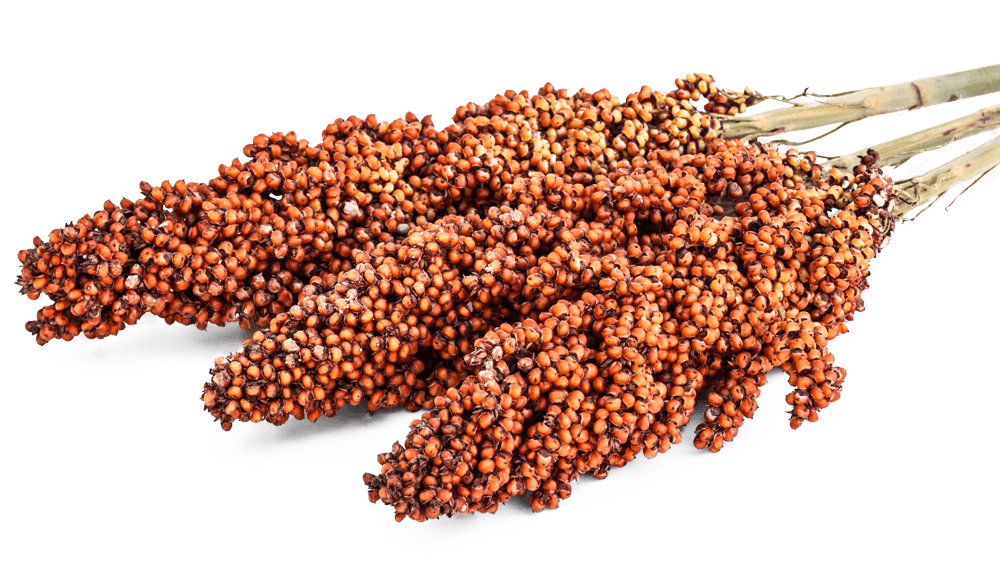
What is Sorghum Used For?
Sorghum, scientifically known as Sorghum bicolor, is a versatile and globally important cereal grain. It is known for its resilience in various climates, making it a significant staple crop in many countries. Apart from its agricultural significance, sorghum has a wide range of uses across different industries due to its nutritional value and unique properties.
Food and Beverages
One of the most common uses of sorghum is in food production. Sorghum grains can be ground into flour to make bread, cakes, cookies, and other baked goods. In some regions, sorghum is a dietary staple and used to make porridge, couscous, and various traditional dishes. Sorghum syrup, also known as sorghum molasses, is a sweetener produced from sorghum juice and is often used as a healthier alternative to sugar or corn syrup.
Animal Feed
Sorghum is a popular ingredient in animal feed formulations, particularly for livestock such as poultry, cattle, and pigs. Its high nutritional value and digestibility make it an ideal component in feed mixes, providing essential nutrients for growth and development in animals.
Industrial Applications
Besides its uses in food and agriculture, sorghum is increasingly being utilized in various industrial applications. Sorghum stalks can be processed to produce biofuels like ethanol, providing a renewable and eco-friendly alternative to fossil fuels. Additionally, sorghum can be used in manufacturing biodegradable packaging materials, paper products, and even building materials.
In Conclusion
Sorghum is a remarkably versatile crop with a multitude of uses across different sectors, making it a valuable commodity worldwide. From food and beverages to animal feed and industrial applications, sorghum’s adaptability and nutritional benefits continue to make it a significant resource in diverse industries.
For more information on sorghum and its uses, visit the home page.











