Understanding Rice Flour: A Comprehensive Guide
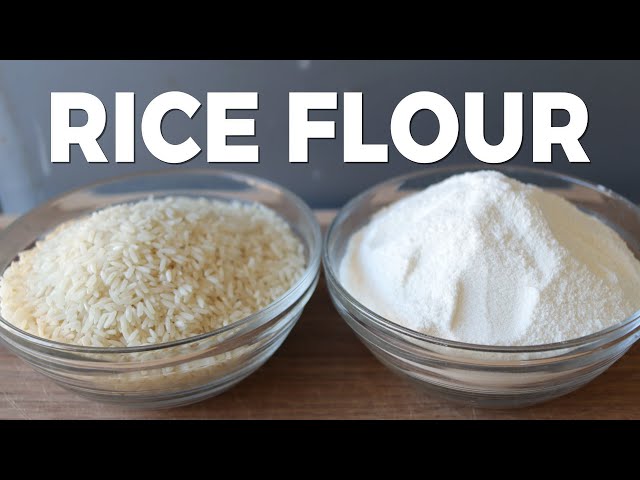
Rice flour is a versatile and widely used ingredient in cooking and baking. It is derived from finely milled white or brown rice grains and has a distinct composition and texture that sets it apart from other types of flour.
Types of Rice Flour
There are two main types of rice flour: white rice flour and brown rice flour. White rice flour is made from milling polished white rice grains, resulting in a fine, powdery texture. Brown rice flour, on the other hand, is produced by grinding whole brown rice grains, including the bran layer, which gives it a slightly coarser texture and nuttier flavor.
Uses of Rice Flour
Rice flour is commonly used in gluten-free cooking and baking as a substitute for wheat flour. It is also used in Asian cuisine for making traditional dishes such as rice noodles, dumplings, and pastries. Additionally, rice flour is often used as a thickening agent in soups, sauces, and gravies.
Benefits of Rice Flour
- Gluten-free alternative for individuals with gluten sensitivities or celiac disease
- Rich in carbohydrates and low in fat
- Contains essential nutrients such as iron, calcium, and vitamin B
How to Make Rice Flour
Making rice flour at home is a simple process that involves grinding raw rice grains into a fine powder using a blender or food processor. The freshly ground rice flour can be used immediately or stored in an airtight container for future use.
Culinary Tips
- Experiment with different ratios of white and brown rice flour for varied textures and flavors in recipes
- Use rice flour as a coating for frying to achieve a crispy and golden crust
In conclusion, rice flour is a valuable ingredient with a wide range of culinary applications. Its gluten-free nature, nutritional benefits, and versatility make it a staple in many kitchens around the world.











