What is orange wine?
Introduction
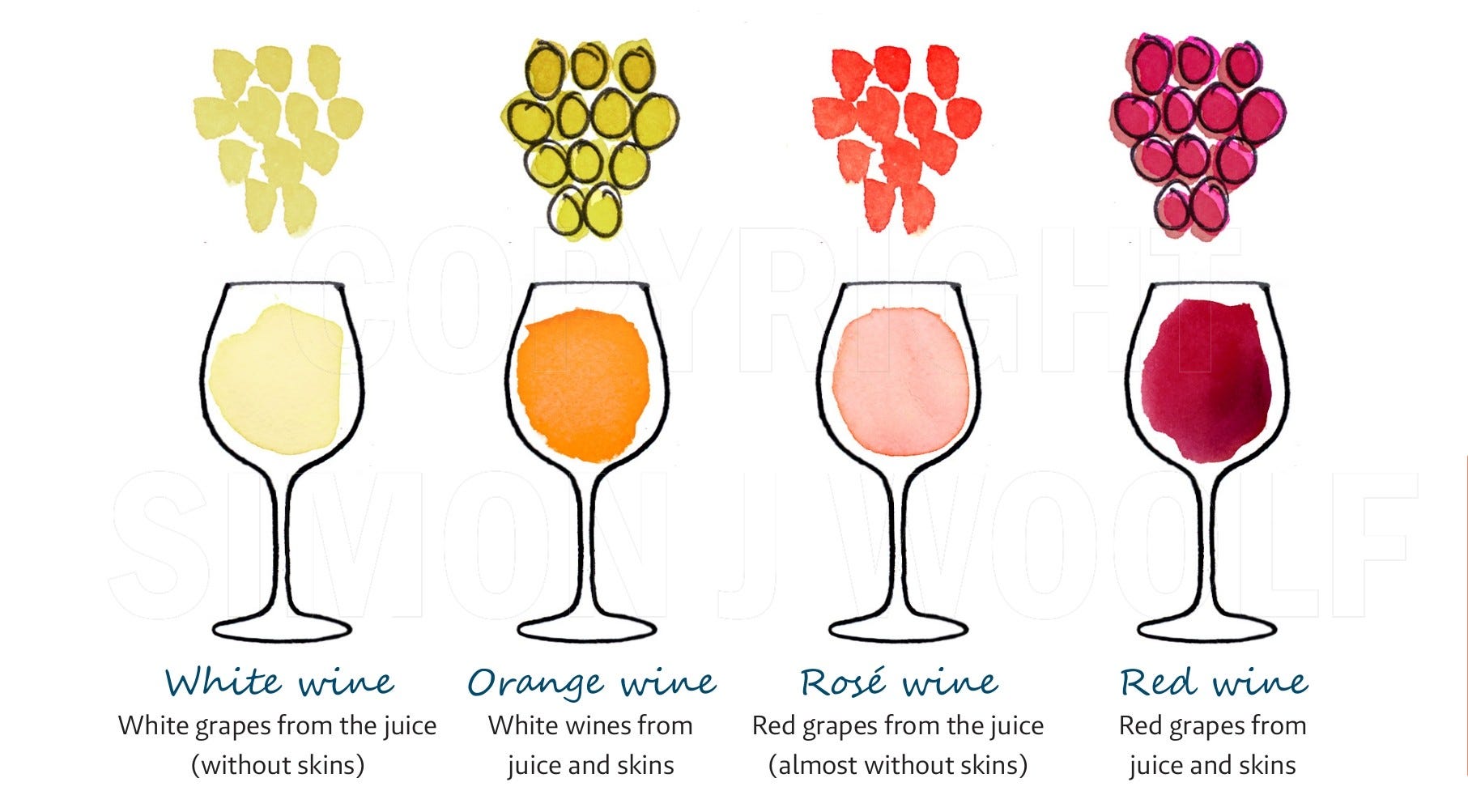
Orange wine is not made from oranges, but rather from white grapes that have been left in contact with their skins during the winemaking process. This unique winemaking technique gives orange wine its distinctive color and flavor profile, setting it apart from traditional white wines.
How is orange wine made?
Orange wine is made by macerating white grape skins with the grape juice during fermentation. This extended skin contact allows the wine to take on a range of colors, from golden yellow to deep amber or even orange hues, hence the name ‘orange wine.’ The process also imparts tannins and complex flavors to the wine, resulting in a more robust and textured taste compared to typical white wines.
Flavor profile
Orange wines are known for their unique flavor profiles that often include notes of dried fruit, nuts, exotic spices, and a distinct earthiness. The longer skin contact time contributes to the wine’s tannic structure, giving it a more substantial mouthfeel and a slightly oxidative character.
Food pairings
Due to its bold and complex flavors, orange wine pairs well with a variety of foods. It complements dishes with rich flavors such as charcuterie, roasted meats, aged cheeses, and hearty vegetable dishes. Its versatility makes it a favorite among sommeliers and food enthusiasts alike.
Popularity and trends
Orange wine has seen a surge in popularity in recent years, as wine drinkers seek out unique and artisanal offerings. Its natural winemaking process, minimal intervention, and distinct taste have captured the attention of wine connoisseurs looking for something new and exciting in the world of wine.
Conclusion
Orange wine offers a departure from traditional white wines, with its bold flavors and distinctive color making it a standout choice for adventurous wine enthusiasts. To explore this intriguing wine style further, visit the home page of LARREA Las Vegas for a curated selection of orange wines and other fine offerings.











