What is histamine intolerance and what foods should you avoid to prevent flares?
Imagine enjoying a meal, only to find yourself experiencing unexpected symptoms like headaches, hives, or digestive upset shortly after. For many, these puzzling reactions aren’t allergies but rather signs of histamine intolerance, a condition where the body struggles to process a natural compound found in many foods. Understanding this often-misunderstood sensitivity is the first step toward reclaiming your comfort and enjoyment of food.
What is histamine and how does intolerance develop?
Histamine is a vital chemical compound that plays multiple roles in the body. It’s involved in immune responses, acts as a neurotransmitter, and regulates stomach acid. While essential, problems arise when there’s an imbalance: either your body produces too much histamine, or it can’t break it down efficiently. The primary enzyme responsible for breaking down histamine in the digestive tract is diamine oxidase (DAO). When DAO activity is insufficient, histamine levels can build up in the body, leading to what’s known as histamine intolerance or histamine sensitivity.
This buildup can trigger a wide range of histamine intolerance symptoms, which often mimic allergic reactions. These can include:
- Headaches or migraines
- Skin issues like hives, eczema, or flushing
- Digestive problems such as bloating, diarrhea, or abdominal pain
- Nasal congestion, sneezing, or runny nose
- Fatigue and brain fog
- Rapid heart rate or heart palpitations
- Anxiety or irritability
- Swelling of tissues (angioedema)
Triggers for a histamine flare can vary from person to person but are generally linked to consuming foods high in histamine, consuming foods that block DAO activity, or engaging in activities that release histamine in the body. While not a true allergy, the discomfort can be significant, making it crucial to identify and manage your intake of histamine intolerance foods to avoid.
High-histamine foods to avoid
Managing histamine intolerance primarily involves adopting a low histamine diet, which starts with understanding which foods are naturally high in histamine or those that can trigger histamine release in the body. Eliminating or significantly reducing these items can help alleviate symptoms. Here is a comprehensive list of histamine intolerance foods to avoid:
Fermented and Aged Foods:
- Aged cheeses (cheddar, Gouda, Parmesan, Swiss, blue cheese, camembert)
- Fermented dairy (yogurt, kefir, buttermilk, sour cream – some individuals may tolerate plain, fresh yogurt in small amounts, but caution is advised)
- Fermented vegetables (sauerkraut, kimchi, pickles)
- Fermented soy products (tempeh, miso, soy sauce)
- Vinegar (all types, including balsamic, red wine, apple cider) and foods containing vinegar (ketchup, mustard, pickles)
- Alcoholic beverages (wine, especially red wine, beer, champagne, some spirits)
Processed and Cured Meats:
- Sausage, bacon, salami, pepperoni
- Smoked fish (salmon, trout)
- Deli meats (turkey, ham)
Certain Fish and Seafood:
- Canned fish (tuna, sardines, mackerel)
- Shellfish (shrimp, crab, lobster, mussels)
- Fish that is not freshly caught (histamine levels increase rapidly after fish is caught)
Fruits:
- Citrus fruits (oranges, lemons, limes, grapefruit)
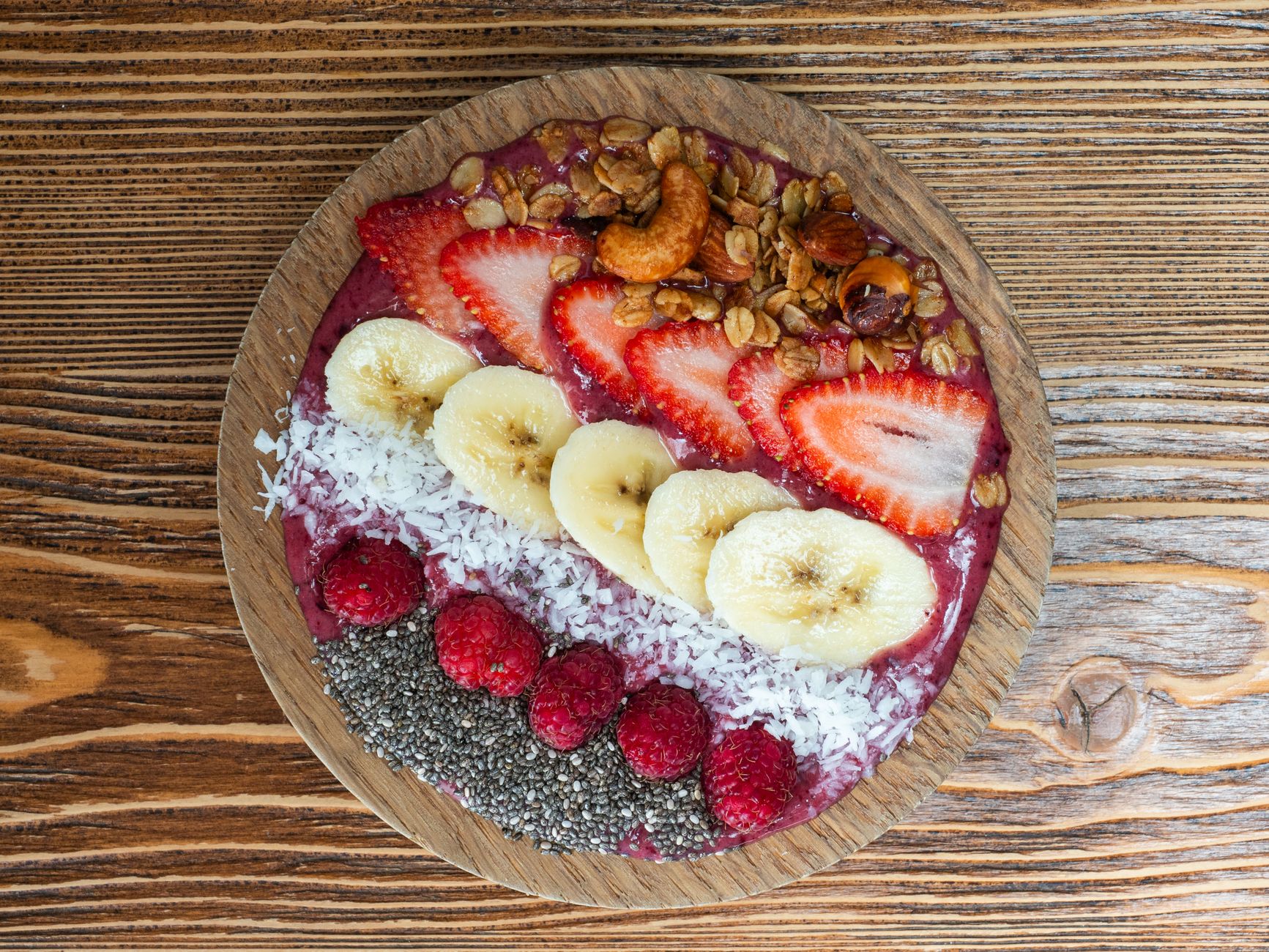
- Strawberries, raspberries
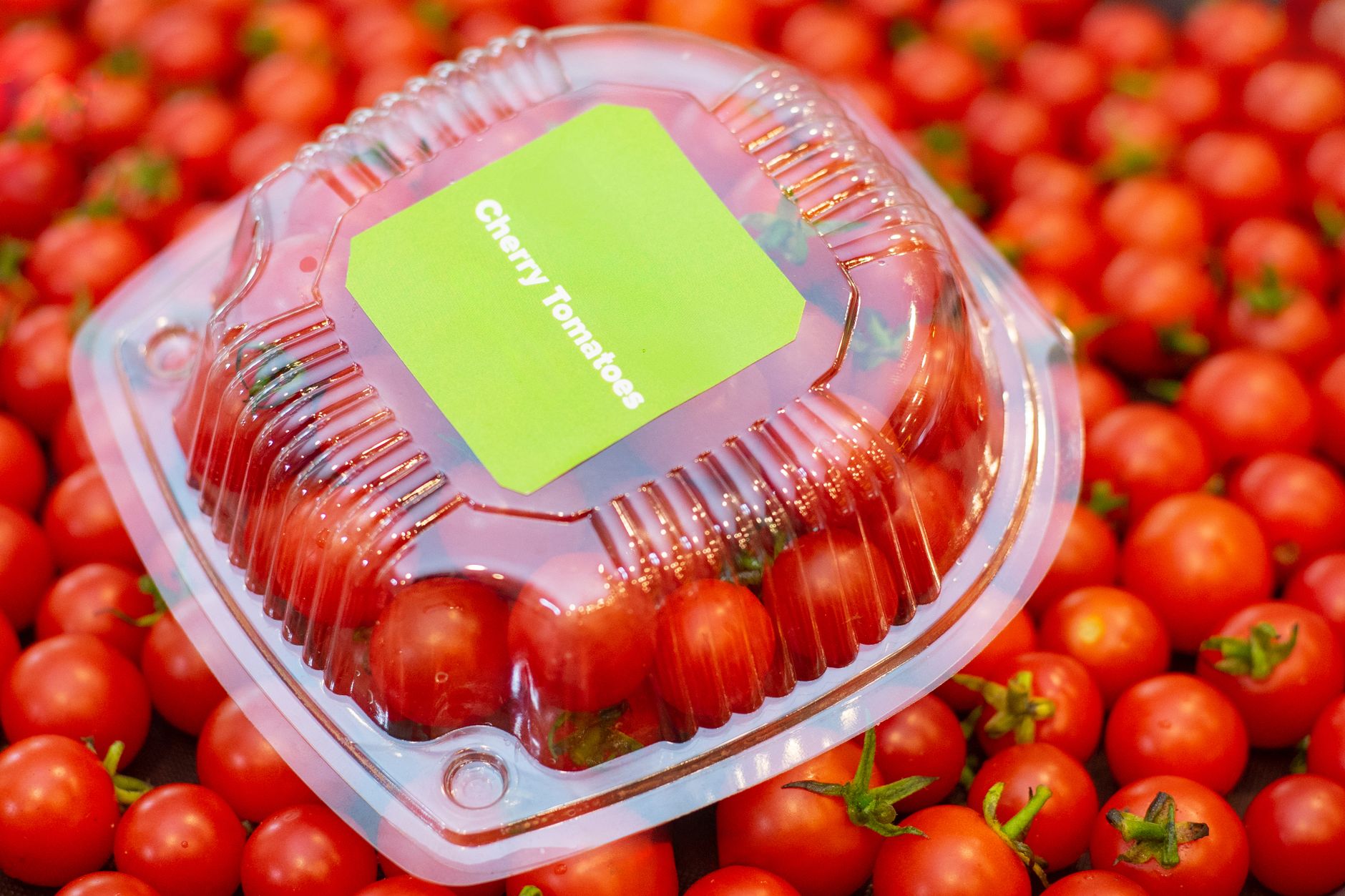
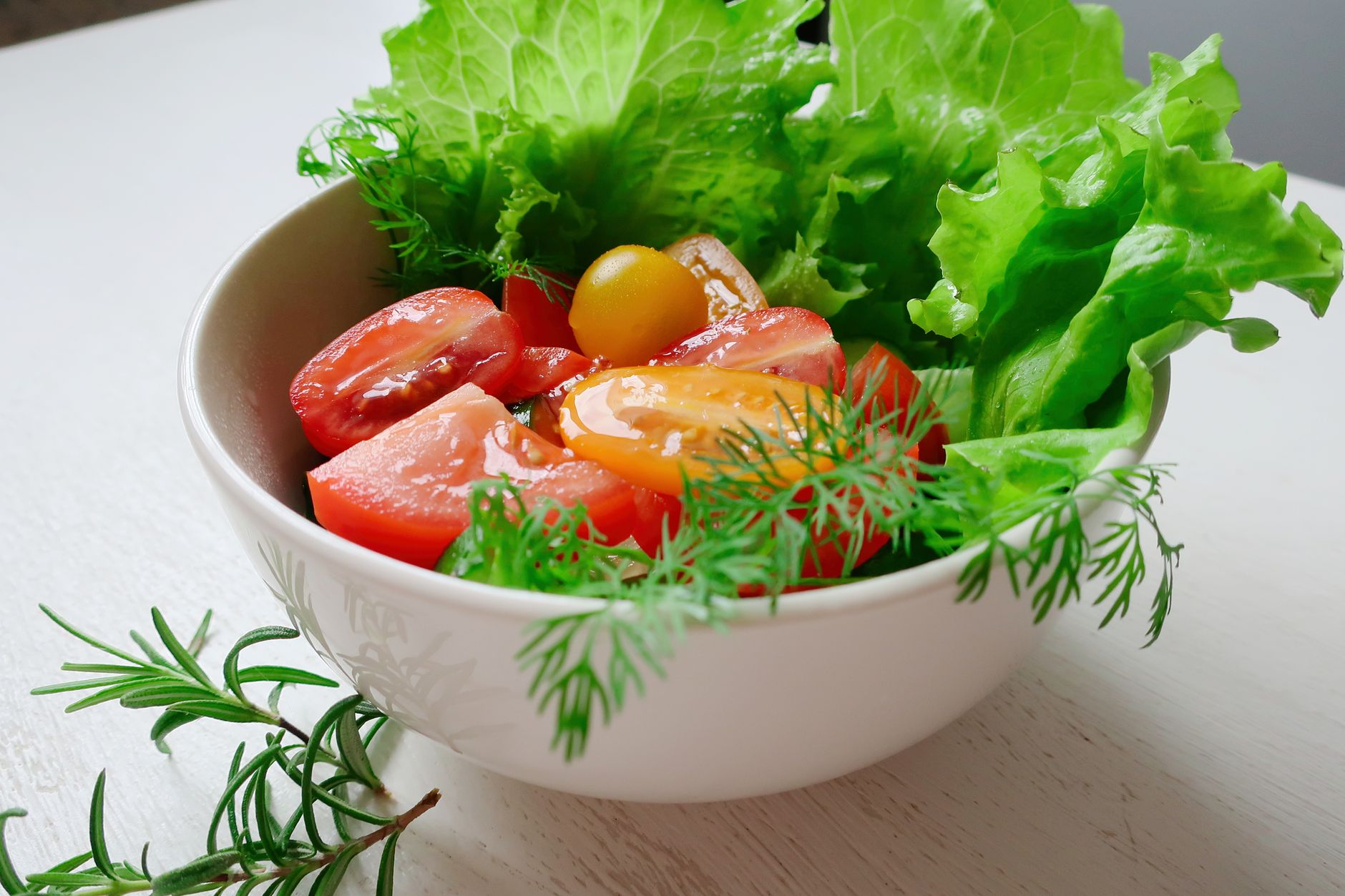
- Tomatoes (and tomato products like ketchup, paste, sauces)
- Avocado
- Bananas (especially overripe)
- Papaya, pineapple
Vegetables:
- Spinach, eggplant
Other Foods and Ingredients:
- Chocolate, cocoa
- Nuts (walnuts, cashews, peanuts)
- Legumes (chickpeas, lentils)
- Food colorings and artificial preservatives
- Black tea, green tea, mate tea
- Energy drinks
- Leftovers: Histamine levels increase significantly in food over time, even when refrigerated. Freshly prepared meals are always best.
It’s important to note that individual sensitivities can vary. Some people may react to certain items more strongly than others, and the total histamine load from a meal also plays a significant role.
Low-histamine foods and meal planning
While the list of histamine intolerance foods to avoid may seem extensive, a wealth of delicious and nutritious options remain. Focusing on fresh, unprocessed ingredients is key to a successful low histamine diet.
Generally Low-Histamine Foods:
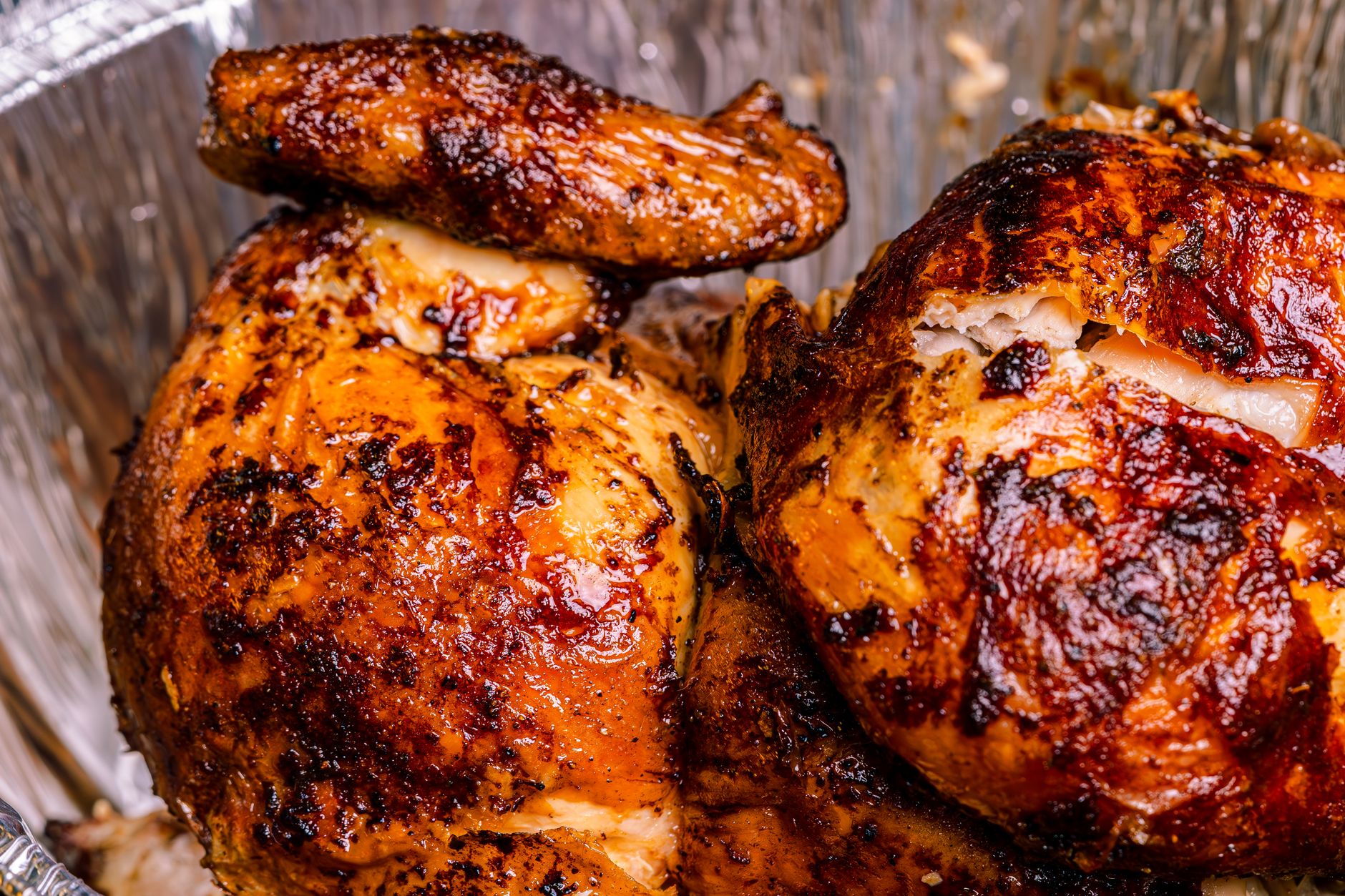
- **Freshly Cooked Meats:** Fresh chicken, turkey, beef, lamb (not aged or cured).
- **Freshly Caught Fish:** White fish like cod, haddock, tilapia (consumed immediately after catch/purchase).
- **Grains:** Rice, quinoa, millet, oats (ensure they are fresh and not containing hidden high-histamine ingredients).
- **Fresh Fruits:** Apples, pears, grapes, melons, blueberries, cherries, mango, kiwi.
- **Fresh Vegetables:** Broccoli, cauliflower, carrots, potatoes, sweet potatoes, zucchini, cucumber, lettuce, bell peppers, asparagus, green beans, onions, garlic.
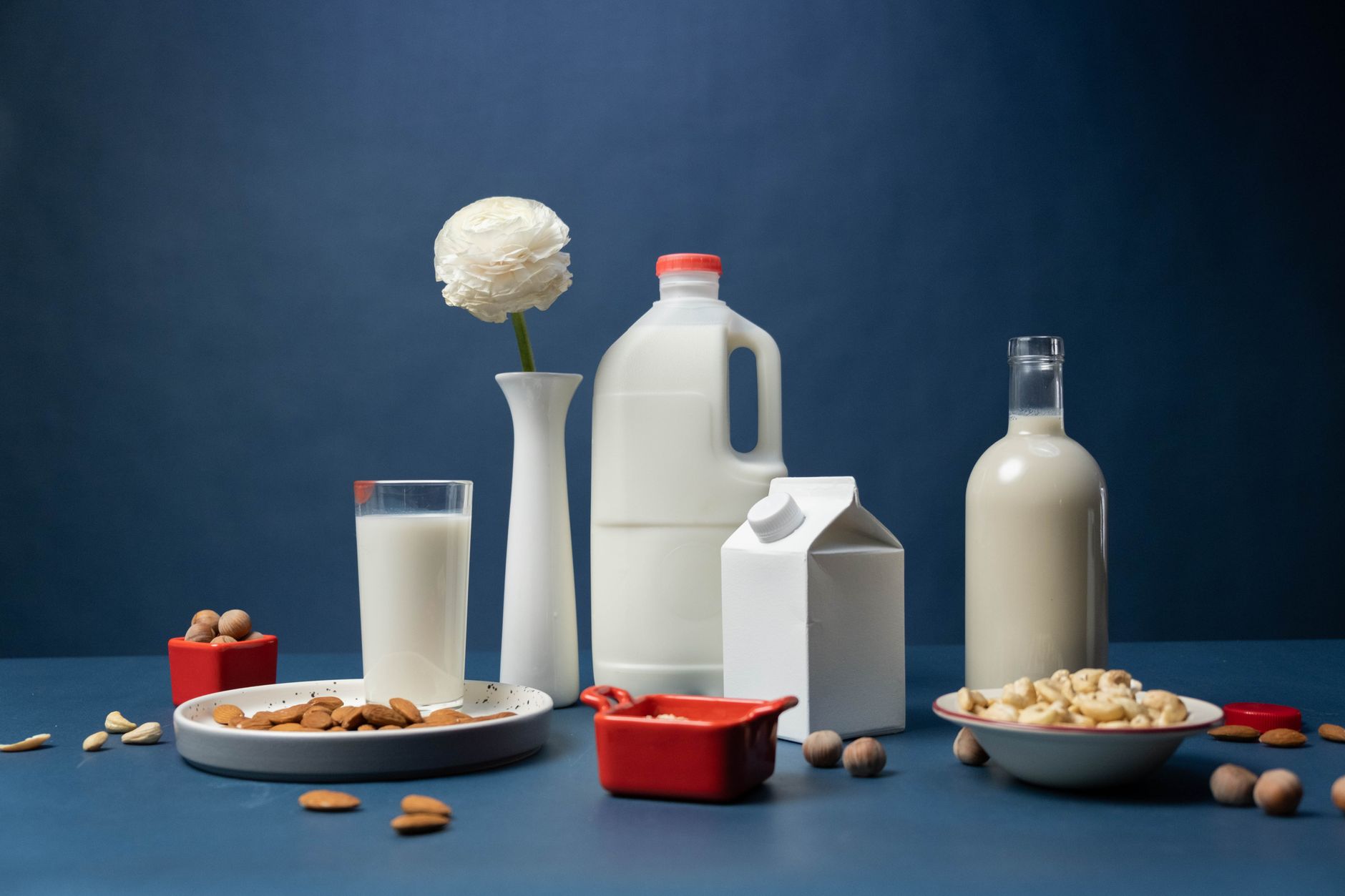
- **Dairy Alternatives:** Fresh milk (if tolerated), unsweetened rice milk, oat milk, coconut milk.
- **Herbs and Spices:** Most fresh herbs and basic spices (avoid mixes with questionable ingredients).
- **Cooking Oils:** Olive oil, coconut oil, grapeseed oil.
Low-Histamine Meal Planning Template:
Creating a balanced meal plan can help ensure you’re getting all necessary nutrients while keeping histamine levels low. Here’s a sample daily template:
-
**Breakfast:**
- Freshly cooked oatmeal with blueberries and a splash of unsweetened rice milk.
- Scrambled eggs (freshly prepared) with sautéed zucchini and bell peppers.
-
**Lunch:**
- Grilled chicken breast (cooked from fresh) with a large salad of mixed greens, cucumber, carrots, and a simple olive oil and apple dressing (made with fresh apple juice or a tiny bit of cider vinegar if tolerated, otherwise just oil and salt).
- Rice cakes with a thin slice of fresh turkey and sliced pear.
-
**Dinner:**
- Baked cod with steamed broccoli and quinoa.
- Lean ground beef stir-fry with a variety of fresh vegetables (carrots, green beans, onions) and rice noodles.
-
**Snacks:**
- Apple slices, grapes, plain rice crackers.
- Small portion of air-popped popcorn.
Pro Tips for a Low Histamine Diet:
- **Prioritize Freshness:** Always opt for the freshest ingredients possible. Cook meals immediately after preparing ingredients, and consume leftovers within a few hours if possible, or freeze them rapidly to minimize histamine formation.
- **Read Labels Carefully:** Many processed foods contain hidden high-histamine ingredients, preservatives, or artificial colors that can trigger symptoms.
- **Keep a Food Diary:** Track your food intake and any symptoms you experience. This can help you identify specific triggers and individual tolerance levels.
Frequently Asked Questions
What causes histamine intolerance?
Histamine intolerance is primarily caused by an imbalance between the amount of histamine consumed or produced by the body and the body’s ability to break it down. The most common underlying factor is a deficiency or reduced activity of the diamine oxidase (DAO) enzyme, which is responsible for breaking down histamine in the digestive tract. Other factors can contribute, including certain medications that block DAO activity, gastrointestinal conditions (like Crohn’s disease or SIBO) that damage the gut lining and impair DAO production, excessive histamine release due to stress or allergies, and genetic predispositions.
How is histamine intolerance diagnosed?
Diagnosing histamine intolerance can be challenging because its symptoms are diverse and mimic many other conditions. There isn’t one definitive test. Diagnosis typically involves a process of elimination and observation, often guided by a healthcare professional. This usually starts with a detailed symptom history and a trial period on a strict low histamine diet for 2-4 weeks. If symptoms significantly improve during this period and then return upon reintroduction of high-histamine foods, it strongly suggests histamine intolerance. Some doctors may also test DAO enzyme levels in the blood, though these tests are not always conclusive and should be interpreted in context with clinical symptoms.
Can histamine intolerance be reversed?
In some cases, histamine intolerance can be improved or even reversed, especially if an underlying cause can be identified and treated. For example, if the intolerance is linked to gut health issues like SIBO or leaky gut, addressing these conditions through dietary changes, probiotics, and targeted therapies might restore DAO enzyme function. Similarly, discontinuing medications that inhibit DAO can help. However, for individuals with a genetic predisposition to low DAO activity, or for whom a clear underlying cause isn’t found, managing histamine intolerance often involves long-term dietary modifications and potentially supplementation with DAO enzymes or vitamin C and B6, which are cofactors for DAO, to help manage symptoms. It requires a personalized approach and ongoing management.
Managing Histamine Intolerance
While living with histamine intolerance requires mindful food choices, it is entirely manageable. By understanding what histamine is, identifying histamine intolerance foods to avoid, and embracing a fresh, low-histamine diet, you can significantly reduce your symptoms and improve your overall well-being. Empower yourself with knowledge and work with healthcare professionals to navigate your path to better health and enjoy food again without fear of a flare.