Understanding Government Cheese: A Comprehensive Guide
In the realm of social welfare programs, government cheese holds a unique place as a longstanding and sometimes controversial symbol of public assistance. But what exactly is government cheese, and why does it continue to provoke fascination and discussion?
History and Background
Government cheese, officially known as USDA Commodity Foods, has its roots in the Great Depression of the 1930s when surplus agricultural products were distributed to alleviate hunger and boost farm prices. Over the years, the program evolved and expanded, providing various food commodities to those in need, with cheese becoming one of the most recognizable items.
Characteristics of Government Cheese
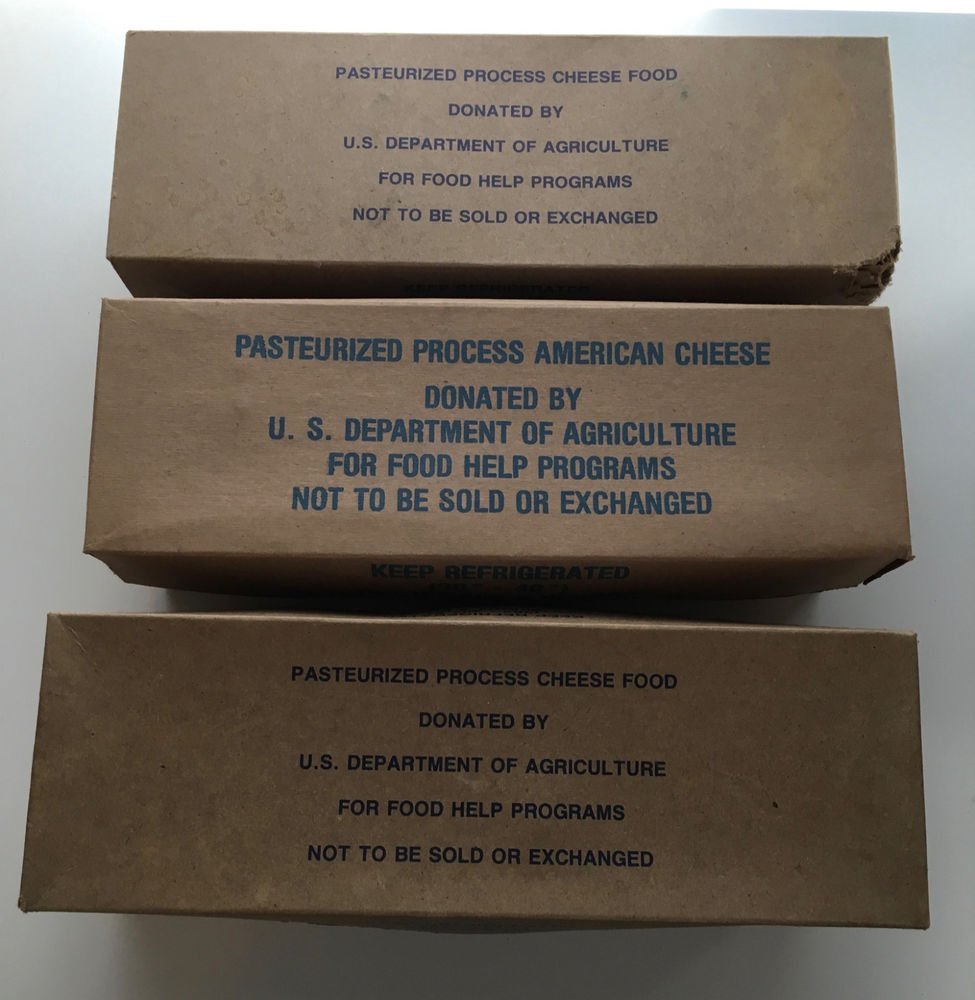
Government cheese is typically a processed cheese product made from a blend of cheddar and other cheeses. It is often distributed in the form of large blocks or bricks, with a distinctive labeling that signifies its origin as part of a government program.
Program Distribution
The distribution of government cheese is managed by the U.S. Department of Agriculture (USDA) in collaboration with state and local agencies. Eligibility criteria vary, but generally, low-income individuals and families participate in the program to supplement their nutritional needs.
Public Perception and Cultural Impact
Government cheese has garnered attention not only for its role in addressing food insecurity but also for its cultural significance. References to government cheese can be found in literature, music, and popular culture, reflecting its status as a symbol of economic struggle and resilience.
Conclusion
Government cheese remains a tangible reminder of the government’s efforts to support vulnerable populations through food assistance programs. While its prevalence may have waned in recent years, the legacy of government cheese endures as a testament to the ongoing dialogue surrounding poverty, food access, and social welfare.
For more information on related topics, visit the home page.











