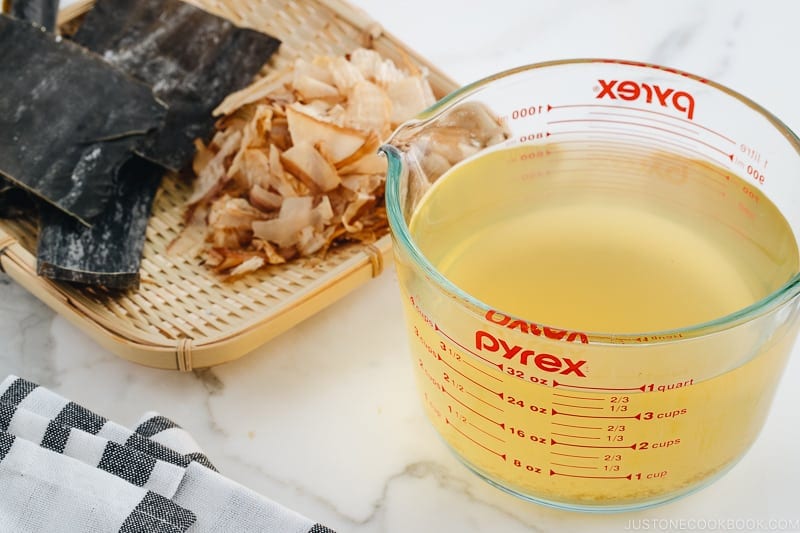
What is Dashi Stock?
Dashi stock is a fundamental ingredient in Japanese cuisine, known for its umami-rich and savory flavor profile. It serves as the base for many Japanese dishes, adding depth and complexity to soups, stews, sauces, and more. Understanding the essence of dashi stock is essential for mastering the art of Japanese cooking.
Ingredients:
The traditional recipe for dashi stock consists of just three main ingredients:
- Kombu: Dried kelp seaweed that imparts a subtle oceanic sweetness.
- Katsuobushi: Bonito flakes made from dried, smoked skipjack tuna, adding a rich umami flavor.
- Water: Pure, clean water is crucial to extract the flavors from the kombu and katsuobushi.
Preparation:
To make dashi stock, the kombu is soaked in water to infuse its flavor, and then heated but not boiled. After removing the kombu, katsuobushi is added to the liquid and gently simmered before straining out the bonito flakes. The resulting broth is dashi stock, ready to be used in various culinary dishes.
Types of Dashi:
There are different variations of dashi stock depending on the ingredients and cooking techniques used. The two most common types are:
- Awase Dashi: A combination of kombu and katsuobushi, creating a balanced and versatile dashi stock.
- Hondashi: An instant dashi powder made from dried fish and other seasonings, providing a quick and convenient alternative to traditional dashi preparation.
Usage in Japanese Cuisine:
Dashi stock forms the backbone of Japanese cooking, enhancing the flavors of dishes like miso soup, udon noodles, tempura dipping sauce, and more. Its subtle umami taste elevates the overall dish while adding a distinctive Japanese essence.
Wrap-up:
Whether you are a seasoned chef or an aspiring home cook, understanding the role of dashi stock is paramount in mastering the authentic flavors of Japanese cuisine. Experiment with different types of dashi and explore its versatility in various recipes to truly appreciate its culinary significance.











