Understanding Anodized Aluminum
Anodized aluminum is a versatile material that offers both aesthetic appeal and functional benefits across various industries. It is a process that involves enhancing the surface of aluminum through an electrochemical reaction, resulting in a durable and corrosion-resistant finish. Let’s delve deeper into what anodized aluminum is and its applications.
What is Anodized Aluminum?
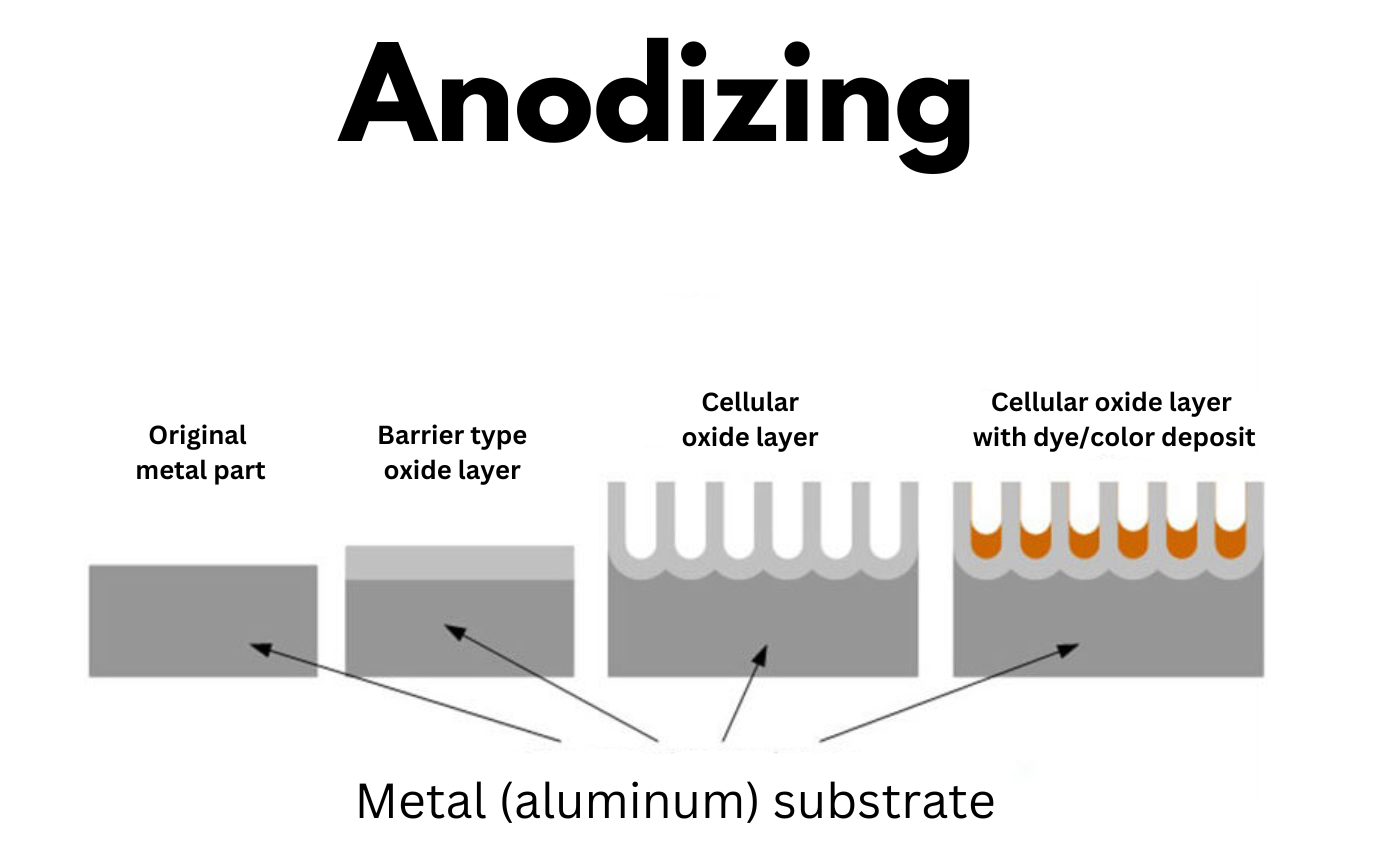
Anodized aluminum is a process that forms a layer of aluminum oxide on the surface of aluminum. This layer is created through electrolytic passivation, an electrochemical process where the aluminum is immersed in an acidic electrolyte bath and subjected to an electric current. As a result, the aluminum forms a protective oxide layer that is integral to the metal, enhancing its durability and corrosion resistance.
Benefits of Anodized Aluminum
- Enhanced Durability: Anodized aluminum surfaces are harder and more resistant to wear, scratches, and corrosion compared to untreated aluminum.
- Aesthetic Appeal: The anodizing process can produce a wide range of colors and finishes, making it popular in architectural and design applications.
- Corrosion Resistance: The protective oxide layer formed during the anodizing process acts as a barrier, preventing corrosion and increasing the lifespan of the aluminum.
- Low Maintenance: Anodized aluminum is easy to clean and maintain, requiring minimal upkeep to preserve its appearance and functionality.
Applications of Anodized Aluminum
Due to its unique properties, anodized aluminum finds applications across various industries, including:
- Architectural Applications
- Automotive Industry
- Consumer Electronics
- Aerospace Industry
- Medical Devices
Its versatility, durability, and aesthetic appeal make anodized aluminum a preferred choice for manufacturers and designers in a wide range of sectors.
Conclusion
Anodized aluminum offers a combination of durability, corrosion resistance, and aesthetic appeal that make it an attractive choice for a diverse set of applications. Whether in architectural facades, automotive components, or consumer electronics, anodized aluminum continues to showcase its versatility and reliability. To learn more about innovative materials and solutions, visit our homepage.











