You’re planning a delicious creamy pasta dish, a rich savory soup, or a comforting casserole, but then the dietary restrictions hit. Whether it’s a dairy allergy, lactose intolerance, or a nut allergy, finding a safe alternative to heavy cream can feel like navigating a minefield. The good news is, you don’t have to compromise on flavor or texture.
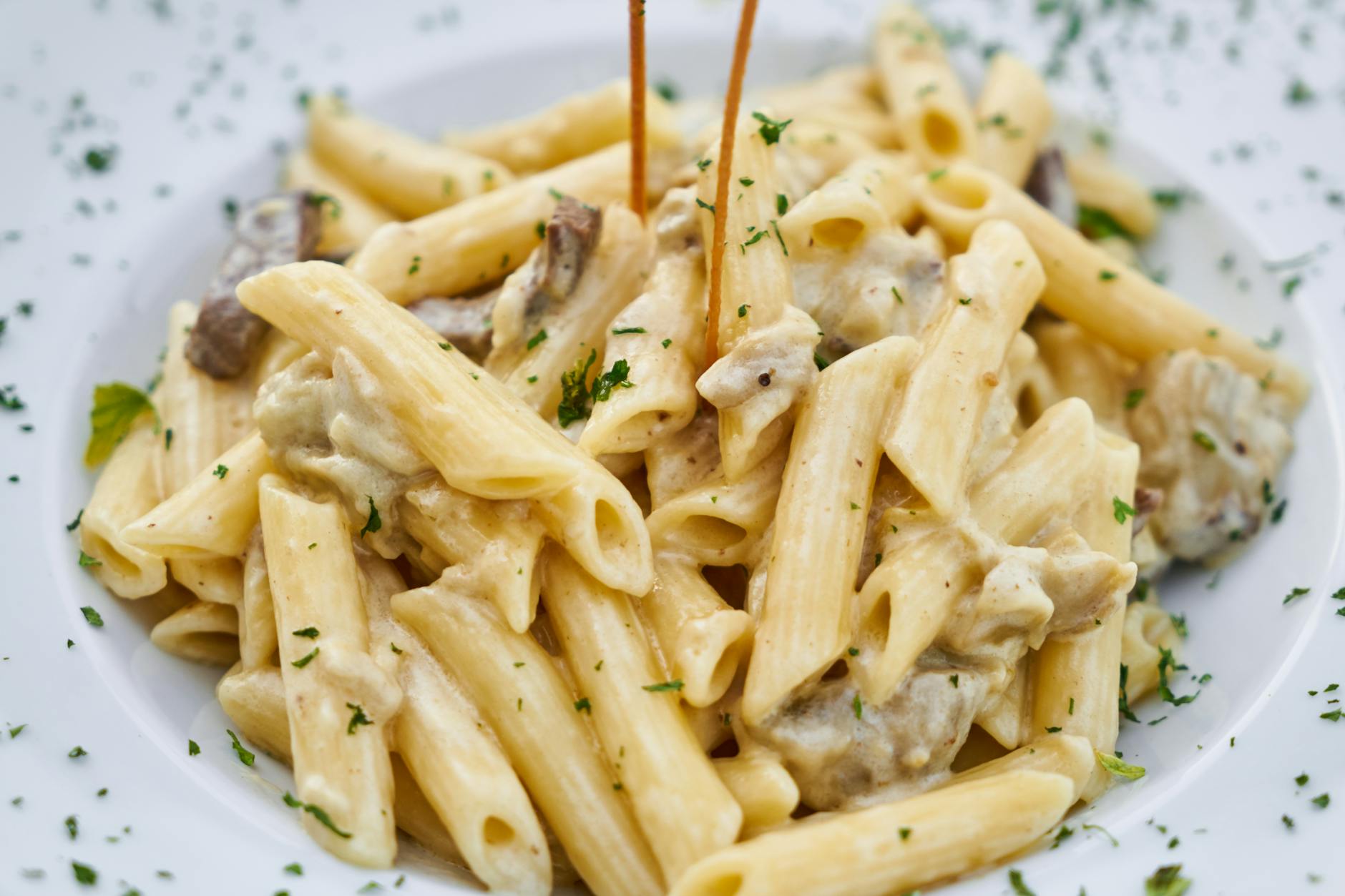
Types of Dairy-Free, Nut-Free Cream Substitutes
Creating that luscious, smooth consistency without dairy or nuts is entirely achievable with a variety of plant-based ingredients. Here are some of the most versatile and readily available nut-free cream alternative options:
<
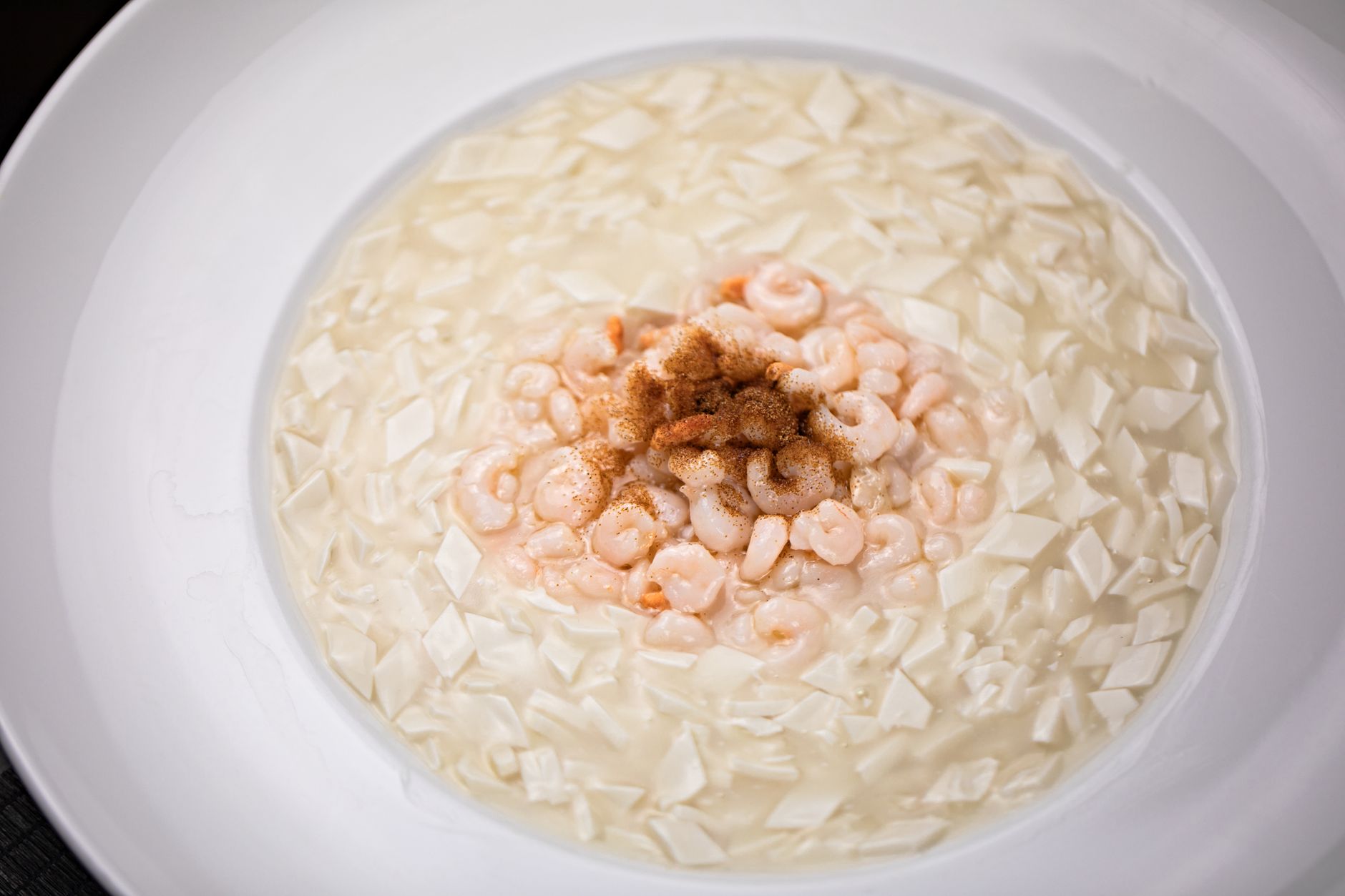
figure style=”margin:2rem 0;width:100%;”>
- Full-Fat Coconut Milk: Often found in cans, this is a popular choice for its richness and thick texture. Ensure you’re buying “full-fat” for creaminess, not the beverage type.
- Unsweetened Soy Milk: Look for unsweetened, full-fat varieties or those specifically labeled “creamy.” Its protein content helps provide a good body.
- Unsweetened Oat Milk: Especially the barista blends or extra creamy versions, oat milk has gained popularity for its neutral flavor and smooth texture.
- Silken Tofu: This soft, delicate variety of tofu blends into an incredibly smooth, thick cream, perfect for adding body and protein without a strong flavor.
- Canned White Beans (Pureed): Cannellini or Great Northern beans, when cooked and pureed with a little liquid, can create a surprisingly creamy and thick base for sauces and soups.
- Unsweetened Rice Milk: While typically thinner, some brands offer thicker, richer versions. It’s an excellent option for those with multiple allergies due to its hypoallergenic nature.
Comparing Taste, Texture & Cooking Properties
Full-Fat Coconut Milk
- Taste: Distinct coconut flavor, which mellows significantly when cooked with savory ingredients. Not ideal for dishes where you want absolutely no coconut notes.
- Texture: Very rich, thick, and velvety, especially the cream that separates and solidifies at the top of the can when chilled.
- Cooking Properties: Holds up well to high heat, can simmer without curdling. Excellent for curries, stews, and sauces. Can be reduced to thicken. Will solidify again if chilled after cooking. Aim for simmering below 200°F (93°C) for best results.
Unsweetened Soy Milk
- Taste: Mildly beany or neutral, especially in unsweetened varieties. Blends well with other flavors.
- Texture: Creamy but generally thinner than full-fat coconut milk or heavy cream. Can be thickened with a roux or cornstarch slurry.
- Cooking Properties: Can sometimes curdle if added directly to very hot acidic ingredients without tempering. Best to warm it gently and add slowly to hot dishes. Ideal for baking, lighter cream sauces, and soups. Keep below boiling point, around 180°F (82°C), for simmering to avoid separation.
Unsweetened Oat Milk
- Taste: Mildly sweet, earthy, and very neutral. It’s one of the most flavor-neutral nut-free cream alternatives.
- Texture: Smooth and naturally thicker than many plant milks, especially barista or extra creamy versions.
- Cooking Properties: Less prone to curdling than soy milk, making it a reliable choice for sauces and soups. Can be simmered gently without issue, around 180-200°F (82-93°C). Excellent for thickening with a roux.
Silken Tofu
- Taste: Virtually flavorless, making it highly adaptable. It takes on the flavors of the dish.
- Texture: Becomes incredibly smooth and creamy when blended. It adds a luxurious body without heaviness.
- Cooking Properties: Blend silken tofu with a little liquid (water, broth, or another plant milk) until completely smooth before adding to hot dishes. It adds thickness and creaminess but won’t “thicken” further on its own. Best added at the end of cooking or gently warmed through, avoiding vigorous boiling once incorporated.
Canned White Beans (Pureed)
- Taste: Mildly earthy, but typically masked by other strong flavors in savory dishes. Adds a subtle savory depth.
- Texture: When blended with some cooking liquid or broth, they create a surprisingly thick, starchy, and creamy puree.
- Cooking Properties: Very stable and forgiving. Can be simmered, blended, and reheated without curdling. Best blended with liquid until perfectly smooth before adding to dishes. Great for boosting fiber and protein.
Unsweetened Rice Milk
- Taste: Very neutral and slightly sweet, making it suitable for delicate flavors.
- Texture: Thinner than other options unless you find a “creamy” variety or thicken it yourself.
- Cooking Properties: Can be used in savory cooking, but often requires additional thickening (like cornstarch or a roux) to achieve a heavy cream consistency. Gentle heating is best; avoid rapid boiling. Good for thinning out thicker purees or adding moisture.
Best Uses by Dish Type
- Thick Sauces & Curries: Full-fat coconut milk is a star here, lending its richness and ability to reduce. Silken tofu or white bean puree can also create incredibly thick, satisfying sauces.
- Creamy Soups & Chowders: Full-fat coconut milk, unsweetened oat milk, or pureed silken tofu are all excellent for adding body and creaminess. Pureed white beans also shine in hearty, rustic soups.
- Pasta Sauces: Unsweetened oat milk is often the best dairy-free heavy cream substitute for creamy pasta sauces due to its neutral flavor and smooth texture. Silken tofu also creates a beautiful Alfredo-style sauce.
- Casseroles & Bakes: Unsweetened oat milk and soy milk work well for liquid bases, while full-fat coconut milk can provide extra richness.
- Scrambles & Quiches: Unsweetened soy milk or oat milk are good choices for adding moisture and richness to egg-free or traditional scrambles.
How to Use Each Substitute (Techniques & Tips)
- Full-Fat Coconut Milk: For maximum creaminess, chill the can overnight. The thick cream will separate and rise to the top. Scoop out the thick cream for richer dishes and use the thinner liquid for others. Stir well before using if you want a uniform consistency.
- Soy & Oat Milk: If a recipe calls for reducing cream, you might need to use a thickening agent like a cornstarch slurry (1 tablespoon cornstarch mixed with 2 tablespoons cold water) or a roux (equal parts butter substitute and flour) to achieve the desired consistency. Add gradually while simmering.
- Silken Tofu: Always blend until absolutely smooth. For a truly rich dairy-free heavy cream substitute, blend 1 block (about 12-14 ounces) silken tofu with 1/4 cup unsweetened plant milk and 1-2 tablespoons neutral oil or vegan butter for extra richness. Season well.
- White Beans: Rinse canned beans thoroughly. Blend 1 can (15 ounces) of drained white beans with 1/2 to 1 cup of vegetable broth or water until completely smooth. Use a high-speed blender for the best results.
- Pro Tip 1: When substituting, start with a slightly smaller amount than the dairy cream called for, especially with coconut milk or pureed beans, and add more as needed.
- Pro Tip 2: Always taste and adjust seasonings. Plant-based creams can sometimes mute flavors, so you might need a little extra salt, pepper, or herbs.
- Pro Tip 3: If using soy or oat milk, adding a splash of lemon juice or apple cider vinegar at the very end of cooking can brighten flavors and mimic the tang of dairy cream, but be cautious not to curdle soy milk if it’s very hot.
Savory Recipes Using Dairy-Free Cream
- Creamy Mushroom and Spinach Pasta: Sauté mushrooms and garlic, then deglaze with white wine or broth. Stir in unsweetened oat milk (or silken tofu puree for extra richness) and simmer until slightly thickened. Fold in fresh spinach and cooked pasta.
- Rich Tomato Basil Soup: Sauté onions, garlic, and canned tomatoes. Simmer with vegetable broth. Blend until smooth, then stir in full-fat coconut milk for a luxurious texture. Finish with fresh basil.
- Garlic & Herb Mashed Potatoes: Prepare mashed potatoes as usual. Instead of dairy cream, whip in warm unsweetened soy milk or oat milk, along with vegan butter, roasted garlic, and fresh herbs, for a wonderfully creamy side dish.
Frequently Asked Questions
What cream substitute works best for pasta?
Unsweetened oat milk, especially the barista blend, is often considered the best dairy-free heavy cream substitute for pasta sauces. It has a neutral flavor that doesn’t overpower the dish and a naturally creamy texture that mimics dairy cream well. Silken tofu also works exceptionally well when blended into a smooth, thick sauce, providing an excellent base for Alfredo-style dishes.
Can you whip dairy-free cream?
While most of the substitutes listed for savory cooking (like soy milk, oat milk, or silken tofu) aren’t designed to be whipped into stiff peaks like traditional heavy cream, there are specific dairy-free whipping creams available in stores. If you need a whipped cream for a savory garnish or a very light, airy addition (though less common in savory dishes), look for products specifically marketed as “dairy-free whipping cream” or use the thick cream from a chilled can of full-fat coconut milk, which can often be whipped if carefully separated and very cold.
Does coconut milk work in savory dishes?
Absolutely! Full-fat coconut milk is a fantastic dairy-free heavy cream substitute for many savory dishes. Its richness and ability to withstand high heat make it ideal for curries, stews, and hearty soups. While it does impart a subtle coconut flavor, it often blends wonderfully with spices, garlic, and savory herbs, creating a complex and satisfying flavor profile that is distinctively delicious.
What’s the best substitute for cream in soups?
For creamy soups, full-fat coconut milk is excellent for a richer, more robust flavor and texture, especially in brothy or spicy soups. Unsweetened oat milk is a great neutral option that provides creaminess without altering the soup’s primary flavors. Silken tofu, pureed until smooth, also adds a lovely body and richness to any soup without a noticeable taste of its own.
Exploring the world of dairy-free and nut-free alternatives opens up a realm of delicious possibilities for creamy, comforting savory dishes without sacrificing safety or flavor. With these versatile substitutes, you can confidently create rich sauces, hearty soups, and decadent meals for everyone to enjoy.











