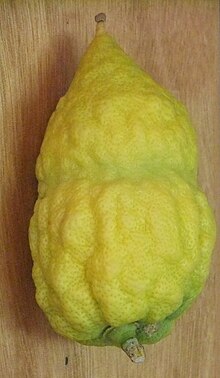
Discovering the Hebrew Fruit Resembling a Lemon
When it comes to unique fruits, the Hebrew region boasts a variety of flavors and textures. Among these delightful fruits is one that bears a strong resemblance to a lemon while offering its own distinctive characteristics.
Introduction to the Hebrew Fruit
The Hebrew fruit that closely resembles a lemon is known as the etrog. Also referred to as the citron fruit, the etrog features a vibrant yellow color with a smooth, thick skin. Its oblong shape and pointed tip are reminiscent of a lemon, making it easily recognizable.
Characteristics of the Etrog Fruit
While the etrog may look like a lemon at first glance, it possesses its own unique flavor profile. The flesh of the etrog is less juicy than a lemon, with a subtle fragrance and a slightly sweet taste. Often used in Jewish religious ceremonies, the etrog holds symbolic significance and is valued for its appearance and aroma.
Uses of the Etrog Fruit
- Religious Ceremonies: The etrog fruit plays a significant role in Jewish traditions, particularly during the holiday of Sukkot. It is one of the four species – along with the lulav, hadass, and aravah – that are part of the celebratory rituals during this festival.
- Culinary Purposes: While not as commonly used in cooking as lemons, the etrog can be utilized in various recipes to add a distinct citrusy flavor. Its peel can be candied or used to infuse flavor into dishes, desserts, and beverages.
- Fragrance and Aromatherapy: The aromatic qualities of the etrog make it a popular choice for perfumes, essential oils, and aromatherapy products. Its uplifting scent is believed to have a calming and refreshing effect on the mind and body.
Overall, the Hebrew fruit known as the etrog is not just a visual delight resembling a lemon, but also a versatile ingredient with cultural and spiritual significance.
Conclusion
Exploring the world of Hebrew fruits reveals a diverse array of unique offerings, including the fascinating etrog fruit. To learn more about intriguing fruits and cultural traditions, visit the home page.











