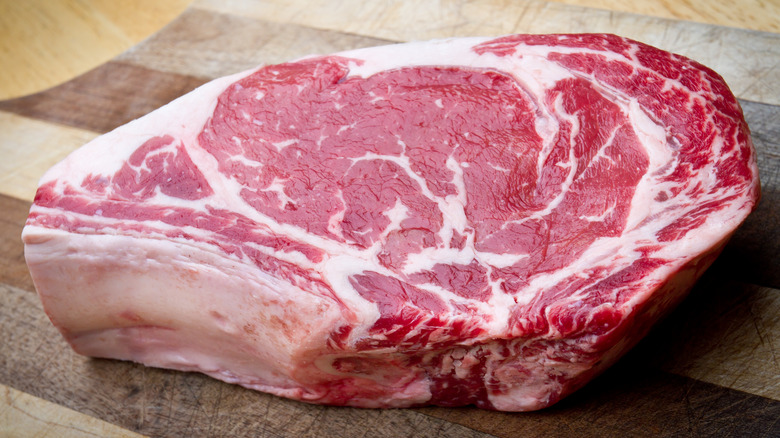
What is a Gristle
Gristle, also known as cartilage, is a firm, elastic, and flexible connective tissue found in the bodies of animals, including humans. It plays a crucial role in supporting and connecting different parts of the body, such as bones and joints. While often overlooked, gristle serves important functions in the musculoskeletal system.
Composition and Characteristics
Cartilage is primarily composed of water, collagen fibers, and proteoglycans. This unique composition gives gristle its tough yet pliable nature, allowing it to absorb shock and pressure while providing structural support. Unlike bones, cartilage is avascular, meaning it does not contain blood vessels, which limits its ability to repair and regenerate.
Types of Gristle
There are three main types of cartilage in the human body:
- Hyaline Cartilage: This smooth and glassy type of cartilage covers the ends of bones in joints, reducing friction and enabling smooth movement.
- Fibrocartilage: Fibrocartilage is a tougher type of cartilage found in the intervertebral discs, pubic symphysis, and certain joints. It provides both support and shock absorption.
- Elastic Cartilage: Elastic cartilage is characterized by its high concentration of elastic fibers, making it extremely flexible. It is primarily found in the ear, epiglottis, and larynx.
Functions of Gristle
Cartilage serves various important functions in the body:
- Support: Gristle provides structural support and maintains the shape of certain body parts.
- Cushioning: It acts as a shock absorber, protecting joints from impact and friction.
- Smooth Movement: Hyaline cartilage in joints enables smooth and pain-free movement by reducing friction between bones.
- Growth and Development: Cartilage plays a key role in the growth and development of bones, as it serves as a template for the formation of bone tissue during ossification.
Importance of Gristle
While gristle may not receive as much attention as other tissues in the body, its importance should not be underestimated. Maintaining healthy cartilage is essential for overall joint health, mobility, and the prevention of conditions such as osteoarthritis.
Understanding the composition, structure, and functions of cartilage can help individuals make informed decisions regarding their joint health and overall well-being.











