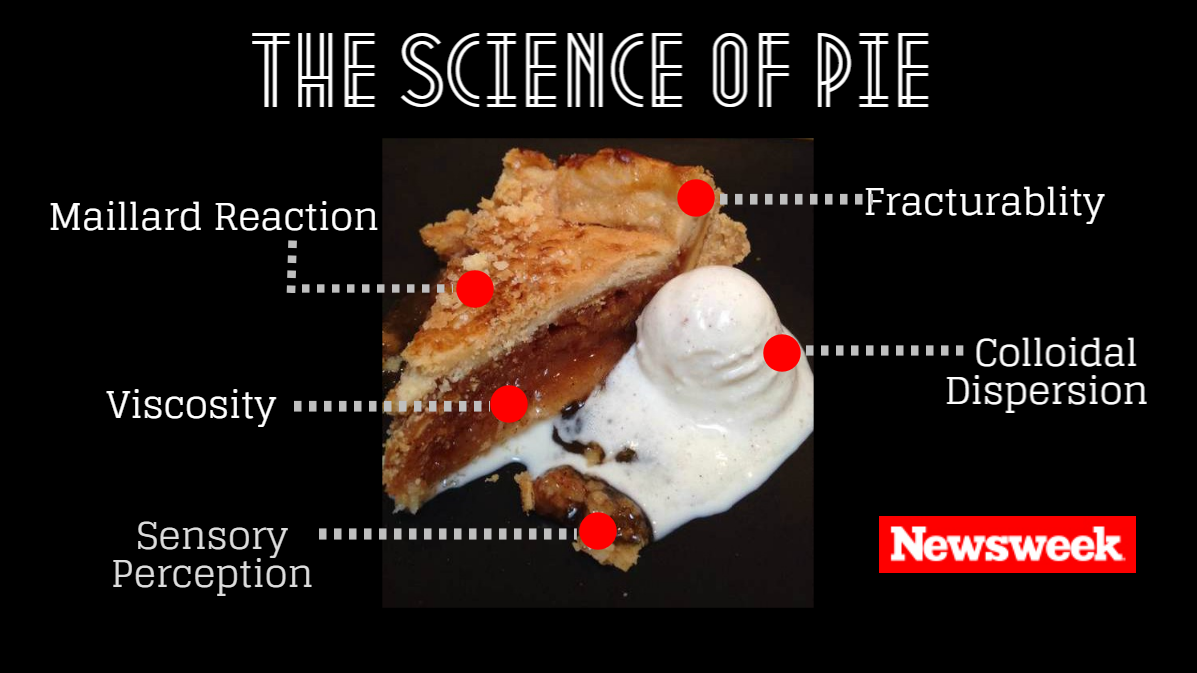
Exploring the Chemical Properties of an Apple Pie
Introduction
Apple pie is a beloved dessert enjoyed by many for its sweet and comforting flavors. However, beyond its delicious taste, apple pie undergoes various chemical reactions during its preparation and baking process. Let’s delve into the fascinating world of the chemical properties of an apple pie.
Key Chemical Components of Apple Pie
An apple pie consists of several key chemical components that contribute to its flavor, texture, and overall appeal:
- Sugar: Sugar plays a crucial role in enhancing the sweetness of the apple filling and the crust.
- Apples: Apples contain natural sugars and acids that contribute to the overall taste of the pie.
- Butter: Butter provides richness and flavor to the crust and helps in achieving a flaky texture.
- Flour: Flour is used in the crust and helps bind the ingredients together.
Chemical Reactions During Baking
When an apple pie is baked, various chemical reactions take place, transforming the raw ingredients into a delicious dessert:
- During baking, the sugars in the apple filling caramelize, creating a rich golden-brown color and deep flavor.
- The Maillard reaction occurs between the proteins in the crust and the sugars in the filling, resulting in the characteristic browning of the crust and the development of complex flavors.
- The butter in the crust melts and interacts with the other ingredients, contributing to the pie’s texture and flavor profile.
Conclusion
By understanding the chemical properties and reactions that occur during the preparation and baking of an apple pie, we can appreciate this classic dessert on a whole new level. The next time you enjoy a slice of apple pie, remember the intricate chemistry behind its delicious taste.
For more intriguing culinary insights, visit the home page.











