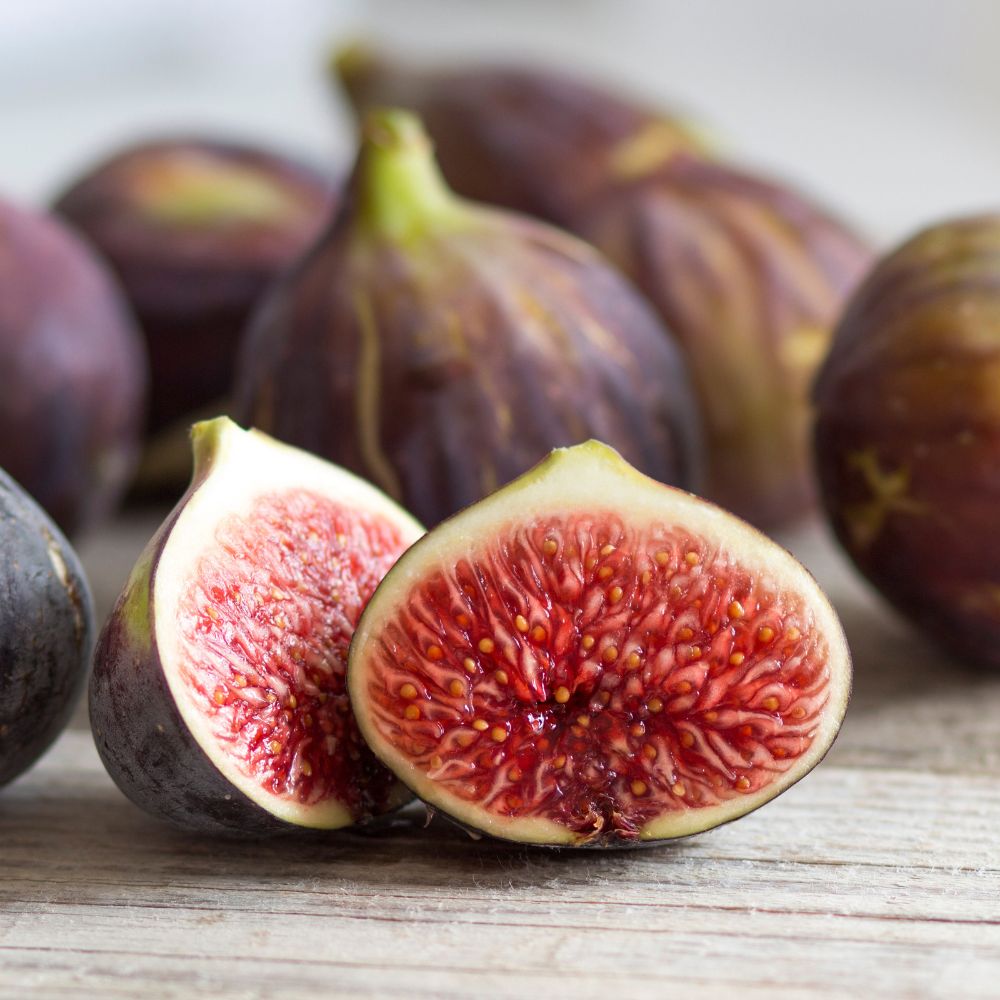
What Does a Fig Taste Like: Flavor Profile of Figs
Fig, a unique fruit with a rich history dating back thousands of years, offers a taste experience like no other. This nature’s candy is revered for its delightful combination of sweetness and complex flavors. Describing the exact taste of a fig can be challenging, as it encompasses a range of sensory elements.
Sweetness
One of the most prominent characteristics of a fig is its natural sweetness. When ripe, figs have a delectable, honey-like sweetness that is not overpowering. This natural sweetness makes figs a popular choice for salads, desserts, and even savory dishes.
Texture
Figs have a luscious, soft texture with a slight chewiness. The skin of the fig is tender and edible, adding a delightful contrast to the juicy interior. The tiny seeds inside the fig provide a subtle crunch, enhancing the overall textural experience.
Flavor Notes
The flavor profile of a fig is multidimensional and often described as a blend of sweet, floral, and slightly earthy notes. Depending on the variety, figs can exhibit hints of honey, caramel, and even a subtle nuttiness. Some fig varieties also have a slightly tangy undertone, adding complexity to their taste.
Aroma
When ripe, figs release a fragrant aroma that is both sweet and inviting. The aroma of a fig complements its taste, creating a sensory experience that is truly unique and enjoyable.
Pairing
Figs are versatile fruits that pair well with both sweet and savory ingredients. They can be enjoyed fresh, dried, or cooked in a variety of dishes, from salads and appetizers to desserts and main courses. Figs also pair beautifully with cheese, nuts, honey, and balsamic vinegar, creating a harmonious combination of flavors.
Conclusion
In conclusion, the taste of a fig is a delightful balance of sweetness, texture, and complex flavors. Whether enjoyed on its own or incorporated into dishes, figs offer a unique culinary experience that is truly unforgettable.
For more insights on culinary delights, visit L’Arreá Las Vegas.











