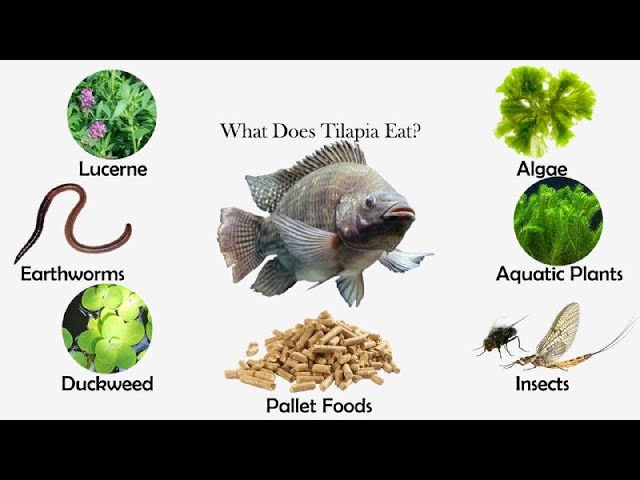
What Do Tilapia Eat?
Tilapia are a popular species of freshwater fish known for their adaptability to various environments and their rapid growth rate. As omnivorous creatures, tilapia have a diverse diet that includes both plant and animal matter. Understanding what tilapia eat is essential for their health and optimal growth in aquaculture settings.
Plant-Based Diet
Plant matter constitutes a significant portion of a tilapia’s diet. Tilapia feed on various aquatic plants, algae, and phytoplankton found in their natural habitat. In aquaculture operations, tilapia are often fed plant-based pellets containing ingredients such as soybeans, wheat, and corn to meet their nutritional needs.
Animal Protein
Tilapia also consume animal-based protein sources, such as insects, small fish, and zooplankton. In the wild, tilapia exhibit opportunistic feeding behavior, preying on small invertebrates and other aquatic organisms. In aquaculture, fishmeal and other protein-rich feeds are often included in tilapia diets to support their growth and development.
Supplementary Feed
In addition to their natural diet, tilapia may be provided with supplementary feed to ensure they receive all the essential nutrients for optimal health. These feeds are formulated to contain a balanced mix of proteins, carbohydrates, fats, vitamins, and minerals to support tilapia growth and immune function.
Feeding Practices
Feeding practices for tilapia can vary depending on the environment and the production system. In aquaculture settings, farmers must carefully monitor feeding schedules and adjust the diet based on the fish’s growth stage and nutritional requirements. Overfeeding or underfeeding can have detrimental effects on tilapia health and productivity.
Conclusion
Understanding the dietary preferences of tilapia is crucial for ensuring their well-being and growth in aquaculture systems. By providing a balanced diet that includes plant-based and animal protein sources, as well as supplementary feeds, tilapia growers can promote the health and productivity of these fish.
For more information on tilapia farming and aquaculture practices, visit Larrealasvegas.com.











