What Did Bananas Used to Look Like: A Historical Perspective
Before the bananas that we are familiar with today existed, the fruit looked quite different. Over centuries of cultivation, bananas have undergone significant changes in appearance, taste, and even nutritional content. Let’s delve into the fascinating journey of how bananas evolved from their original form.
Wild Bananas: The Ancestors
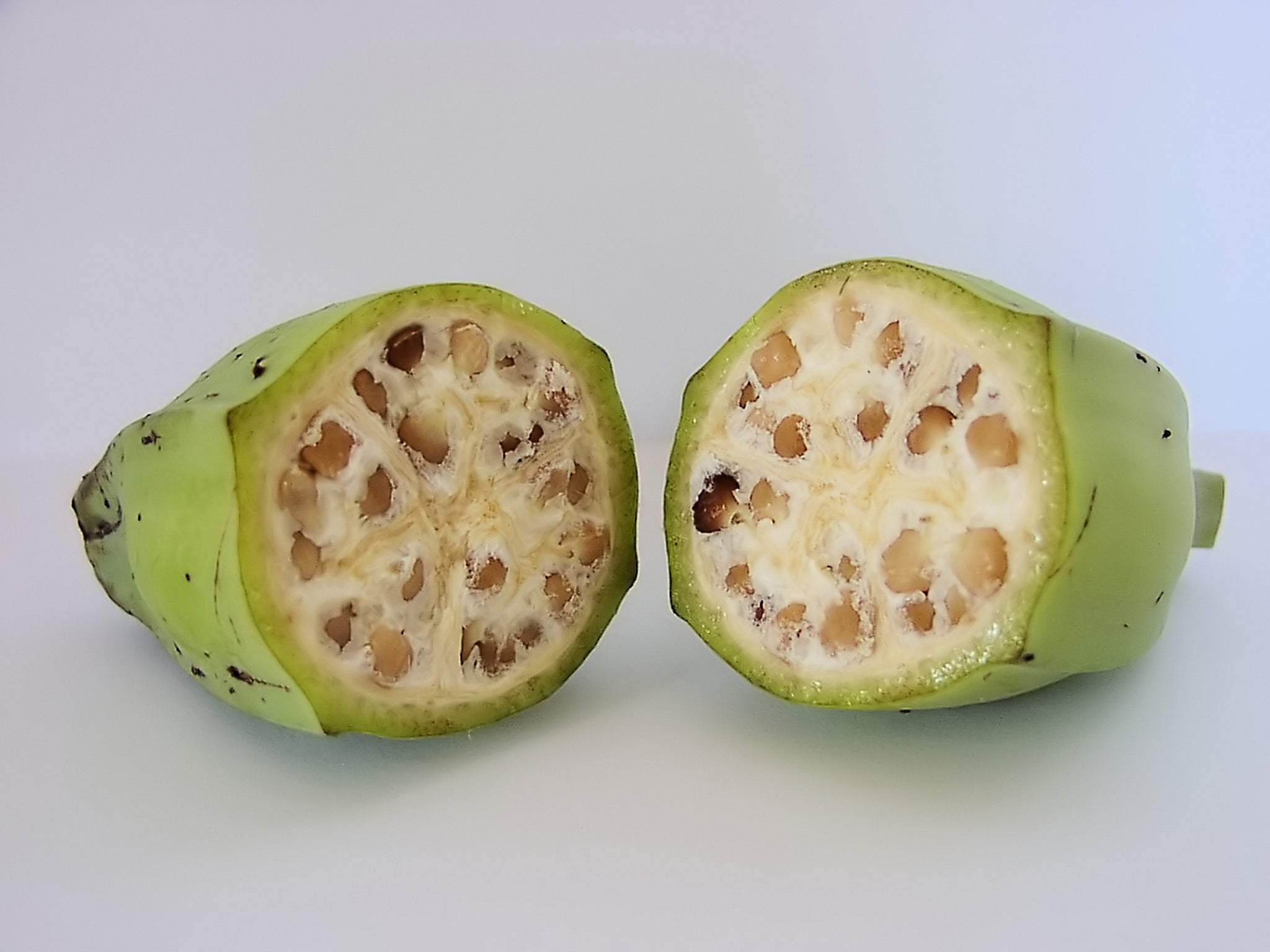
The wild ancestors of modern bananas can be traced back to the jungles of Southeast Asia. These early bananas were small, green, and filled with large, hard seeds. They were not as sweet or as soft as the bananas we consume today, making them less appealing as a source of nutrition.
Cultivation and Domestication
Around 7,000 years ago, early farmers in the region began cultivating bananas for consumption. Through selective breeding and propagation, they managed to develop new varieties of bananas with improved taste, texture, and size. Over time, humans domesticated bananas, leading to the emergence of the first cultivated banana plants.
Evolution of Bananas
As cultivation practices spread to other parts of the world, bananas continued to evolve. Through natural mutations and human intervention, different cultivars of bananas emerged, each with unique characteristics. The sweet and seedless bananas that we are accustomed to today are a result of centuries of crossbreeding and genetic modification.
Modern Bananas
The bananas that we commonly find in supermarkets are primarily of the Cavendish variety, known for their consistent size, flavor, and resistance to diseases. This cultivar has become the most popular banana worldwide, replacing the Gros Michel variety that suffered from a devastating fungal disease in the mid-20th century.
Conclusion
From their humble origins in the jungles of Southeast Asia to becoming a staple fruit in diets around the world, bananas have come a long way. The evolution of bananas serves as a testament to the ingenuity of early farmers and the adaptability of plants to human influence. Next time you enjoy a banana, remember the long history and transformations that this beloved fruit has undergone.
For more interesting articles and insights, visit our home page.











