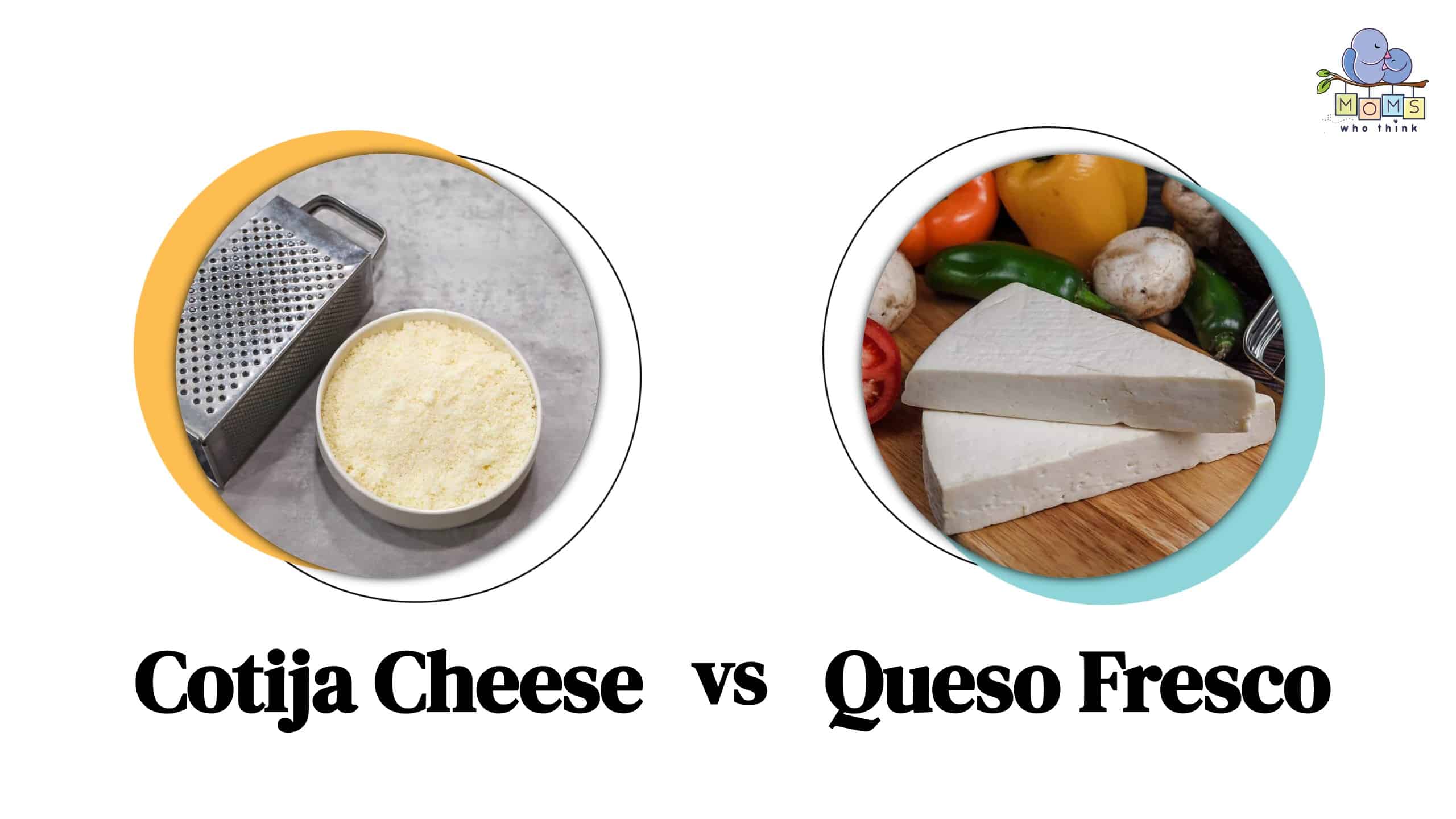
Delving Into the World of Cheeses: Queso Cotija to Blue Cheese
Welcome to a flavorful exploration of the diverse world of cheeses, where we journey from the Mexican delight of Queso Cotija to the sophisticated charm of Blue Cheese. Cheese lovers often find themselves intrigued by the vast array of textures, flavors, and origins offered by different types of cheeses, making it an adventure to discover the distinct characteristics that set each cheese apart.
Queso Cotija: The Taste of Mexico
Queso Cotija holds a special place in Mexican cuisine, known for its crumbly texture and salty taste. Named after the town of Cotija in Michoacán, Mexico, this cheese is commonly used to top dishes like tacos, soups, and salads. Made from cow’s milk, Queso Cotija can range from mild to aged, offering a versatile option for various culinary creations.
Key Characteristics of Queso Cotija:
- Crumbly texture
- Salty taste
- Versatile for grating or crumbling
- Made from cow’s milk
Blue Cheese: A Rich and Bold Flavor Profile
Blue Cheese, renowned for its distinctive blue veins and tangy flavor, represents a category of cheeses aged with cultures of the mold Penicillium. Originating from countries like France, Italy, and the UK, varieties such as Roquefort, Gorgonzola, and Stilton showcase the extensive range of aromas and tastes found within the Blue Cheese family.
Key Characteristics of Blue Cheese:
- Distinct blue veins
- Tangy and pungent flavor
- Aged with Penicillium mold
- Varieties from different regions
Exploring the World of Cheeses
From the crumbly allure of Queso Cotija to the bold flavor profiles of Blue Cheese, the realm of cheeses beckons with a myriad of options waiting to be savored and enjoyed. Whether you prefer the creamy textures of soft cheeses or the sharp tang of aged varieties, each cheese type contributes its unique essence to the culinary landscape.











