What Can You Not Add in a Protein Shake
Protein shakes have become increasingly popular among fitness enthusiasts and individuals looking to boost their protein intake. While protein shakes can be a convenient and effective way to meet your dietary needs, it’s important to be mindful of what you add to your shake. Not all ingredients are suitable for mixing with protein powder, and some may even negate the benefits of the shake. Here are some things you should avoid adding to your protein shake:
1. Sugar-Laden Ingredients
Avoid adding sugar-laden ingredients such as syrups, flavored sweeteners, or sugary beverages to your protein shake. Excessive sugar intake can lead to spikes in blood sugar levels and may counteract the health benefits of the protein shake.
2. High-Fat Ingredients
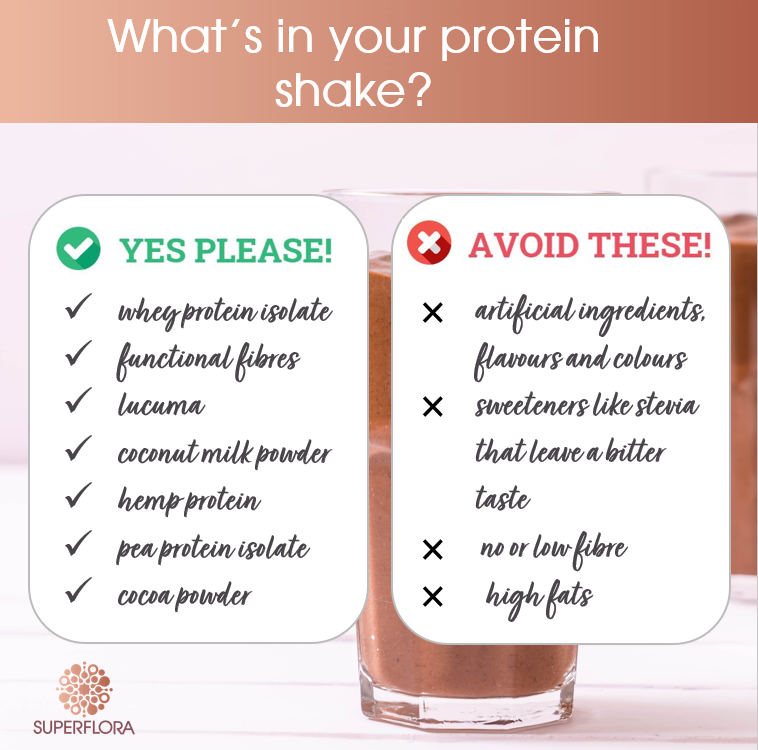
Avoid adding high-fat ingredients like heavy cream, whole milk, or full-fat coconut milk to your protein shake. While healthy fats are essential for a balanced diet, adding too much fat to your protein shake can increase the calorie content significantly.
3. Artificial Additives
Avoid adding artificial additives such as artificial sweeteners, colors, or flavors to your protein shake. These additives may have negative impacts on health and could potentially disrupt your body’s natural processes.
4. Unnecessary Supplements
Avoid adding unnecessary supplements or ingredients that you don’t actually need. Stick to the basics like protein powder, fruits, vegetables, and liquids to ensure that your shake is nutritious and beneficial.
5. Alcohol
Avoid adding alcohol to your protein shake. While some may be tempted to mix alcohol with protein powder, it’s not a good idea as alcohol can impair muscle recovery and hinder the benefits of the protein shake.
6. Caffeine Powders
Avoid adding caffeine powders or stimulants to your protein shake, especially if you are sensitive to caffeine. Consuming too much caffeine can lead to adverse effects like jitteriness, increased heart rate, and disrupted sleep patterns.
7. Unpasteurized Dairy
Avoid using unpasteurized dairy products in your protein shake as they may contain harmful bacteria that could cause foodborne illnesses. Opt for pasteurized milk, yogurt, or cheese to minimize the risk of contamination.
Conclusion
When it comes to making a nutritious and beneficial protein shake, it’s important to be mindful of the ingredients you add. Avoiding sugar-laden ingredients, high-fat additives, artificial substances, unnecessary supplements, alcohol, caffeine powders, and unpasteurized dairy can help you create a healthier shake that supports your fitness goals.
For more health and fitness tips, visit www.larrealasvegas.com.











