What are the best insulated water bottles for children to bring to school?
Sending kids off to school each morning, we often pack their lunches and double-check their backpacks, but how often do we consider their hydration? A child who stays well-hydrated throughout the school day is more likely to focus, perform better, and feel energized, yet many come home with their water bottle barely touched, or worse, full of lukewarm water. Finding the right vessel to keep their drinks cool and appealing is key, and that’s where the search for the **best insulated water bottles for kids** begins.
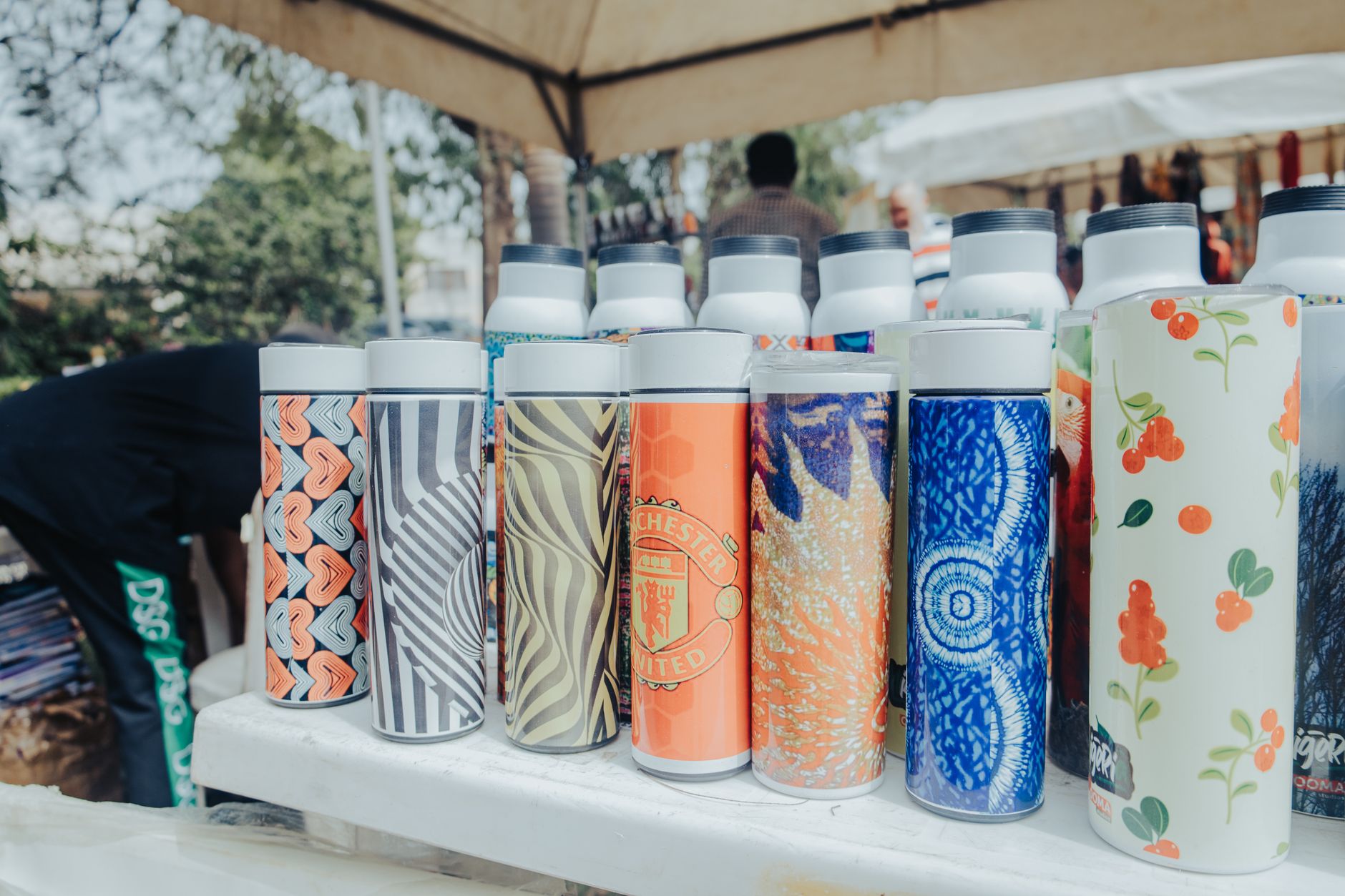
Key features to look for in kids’ water bottles
Choosing a water bottle for a child isn’t as simple as picking a fun color. Parents need to consider several practical factors to ensure the bottle is safe, durable, and actually gets used.
- Superior Insulation: The primary reason for an insulated bottle is to keep drinks cold for hours. Look for bottles that promise 12-24 hours of cold retention. This is usually achieved through double-wall vacuum insulation. Kids are more likely to drink refreshing cold water than warm, unappealing water.
- Durability: Kids drop things – a lot. The bottle needs to withstand daily tumbles, bangs, and scrapes. Stainless steel (specifically 18/8 food-grade stainless steel) is an excellent choice for its resistance to dents and rust. Look for models with powder-coat finishes for added grip and scratch resistance.
- Leak-Proof Design: A leaky bottle can ruin homework, soak textbooks, and create a messy backpack. Look for lids with secure seals, reliable gaskets, and well-designed spouts or straws that prevent spills even when tipped or shaken. Twist-on caps, push-button spouts, and straw lids with tight closures are often good options.
- Ease of Cleaning: A bottle that’s hard to clean can harbor germs and mold. Wide-mouth openings make it easier to reach inside with a brush. Detachable parts (straws, gaskets) that can be thoroughly cleaned are essential. Dishwasher-safe components are a huge bonus for busy parents.
- Child-Friendly Design: The bottle should be easy for small hands to open, close, and carry. Consider the weight, grip, and the type of drinking spout. Younger children often do best with straw lids or simple flip-tops, while older kids might prefer a wider mouth or chug cap. Fun colors and patterns can also encourage use.
- Safety Certifications: Always ensure the materials are safe for children. Look for bottles made from BPA-free plastics and 18/8 food-grade stainless steel. Reputable brands will often highlight safety certifications like FDA approval for materials or compliance with California’s Prop 65, ensuring no harmful chemicals leach into their drinks.
>
Top insulated water bottle recommendations by age group
Here are some **children’s water bottle recommendations** tailored to different age groups, focusing on features that matter most for each stage.
Preschool (Ages 3-5)
For the youngest scholars, safety, ease of use, and extreme leak-proofing are paramount. Smaller capacities are easier for them to handle.
- Capacity: 10-12 ounces (about 1.25-1.5 cups)
- Lid Type: Integrated straw lid with a cover, or a simple spout with a secure cap. Must be easy for small hands to open and close independently.
- Durability: Highly impact-resistant, often with silicone sleeves or reinforced bases.
Elementary School (Ages 6-10)
As kids grow, they need slightly more capacity and a bottle that can withstand the rigors of a school day, from playgrounds to bus rides.
- Capacity: 14-16 ounces (about 1.75-2 cups)
- Lid Type: Push-button spouts, easy-to-use straw lids, or chug caps. Carrying handles are a plus.
- Durability: Robust stainless steel with a good grip or powder coat finish.
Middle School (Ages 11-14)
Older kids often prefer a bottle that looks less “kiddy” but still delivers on performance. Larger capacities become more important for longer days and increased activity.

- Capacity: 18-20+ ounces (about 2.25-2.5 cups or more)
- Lid Type: Versatile options like a screw-top wide mouth, a quick-sip spout, or an interchangeable straw lid.
- Durability: High-grade stainless steel with excellent scratch resistance and insulation to last through multiple classes and after-school activities.
Product Comparison Table: Best Insulated Water Bottles for Kids
| Model Name | Age Group | Capacity | Insulation (Cold) | Durability Rating (1-5) | Leak-Proof Rating (1-5) | Price Range | Key Features | Safety Certifications |
|---|---|---|---|---|---|---|---|---|
| Eco-Hydrate Junior Sip | 3-6 years | 10 oz | 8-10 hours | 4/5 | 5/5 | $15-$25 | Kid-friendly straw lid, silicone sleeve for grip/protection, wide mouth for easy cleaning. | BPA-free, FDA-approved materials |
| EverFlow Explorer 14 | 6-10 years | 14 oz | 12-15 hours | 4/5 | 4/5 | $20-$35 | One-hand push-button spout, integrated carrying loop, textured powder coat finish. | BPA-free, NSF certified plastics |
| ThermaSip Youth Max | 10+ years | 18 oz | 18-24 hours | 5/5 | 5/5 | $30-$50 | Double-wall vacuum insulation, interchangeable chug/straw lid, robust stainless steel build. | BPA-free, Prop 65 compliant |
| AquaGuard Playtime | 4-8 years | 12 oz | 10-12 hours | 3/5 | 5/5 | $18-$28 | No-spill straw, fun designs, dishwasher safe lid & straw, lightweight. | BPA-free, Phthalate-free plastics |
Maintenance and cleaning tips
Proper care extends the life of any **school water bottles** and, more importantly, keeps them hygienic.
- Daily Wash: After each use, disassemble all parts (lid, straw, gasket) and wash them. Many bottle bodies are hand-wash only due to vacuum insulation, but lids and straws are often dishwasher safe. Check manufacturer instructions.
- Bottle Brushes: Invest in a good bottle brush and a small straw brush to reach all nooks and crannies.
- Deep Clean: Periodically, soak bottle parts in a solution of warm water and a tablespoon of white vinegar or baking soda for 30 minutes to an hour to eliminate odors and deep clean. Rinse thoroughly.
- Air Dry Completely: Crucially, allow all components to air dry completely before reassembling or storing. This prevents mold and mildew growth, which can quickly make a bottle unusable.
Budget-friendly vs premium options
When selecting an **insulated bottle for kids**, parents often weigh cost against features.
Budget-friendly options (typically $15-$25) are a great entry point. They usually offer decent insulation (8-12 hours cold), a basic leak-proof design, and come in fun colors. Materials are generally BPA-free plastic or a lighter gauge of stainless steel. Durability might be slightly less, meaning they could dent more easily or show wear and tear faster. These are excellent for younger children who might frequently lose or damage their bottles.
Premium options (typically $30-$50+) deliver superior performance and durability. Expect 18-24+ hours of cold insulation, robust 18/8 food-grade stainless steel construction, and advanced leak-proof mechanisms. These bottles often feature powder-coat finishes for better grip and scratch resistance, and may come with interchangeable lids or extended warranties. While a higher initial investment, they often last longer, performing consistently through years of daily use.
Frequently Asked Questions
Are insulated water bottles safe for children?
Yes, insulated water bottles are generally very safe for children, provided you choose reputable brands that use safe materials. The safest options are typically made from 18/8 food-grade stainless steel, which is naturally resistant to bacteria and doesn’t leach chemicals. Ensure any plastic components, like lids or straws, are clearly marked as BPA-free, BPS-free, and phthalate-free. Always look for bottles that meet safety standards like FDA approval or Proposition 65 compliance for materials.
How do I keep my child’s water bottle clean?
Maintaining cleanliness is crucial for any water bottle. The best practice is to wash the bottle thoroughly after every use. Disassemble all parts, including the lid, straw, and any silicone gaskets. Use warm, soapy water and a bottle brush to scrub the interior of the bottle and a small straw brush for the straw. For a deeper clean or to remove odors, you can soak the disassembled parts in a solution of equal parts white vinegar and water for about 30 minutes. Always rinse thoroughly with clean water and allow all components to air dry completely before reassembling to prevent mold and mildew growth.
What size water bottle is best for kids?
The ideal water bottle size for a child depends largely on their age and daily hydration needs. For preschoolers (ages 3-5), a smaller bottle of 10-12 ounces (about 1.25-1.5 cups) is usually sufficient and easier for them to carry and manage. Elementary school-aged children (ages 6-10) can typically handle 14-16 ounces (about 1.75-2 cups). For older children and pre-teens (ages 11+), a larger capacity of 18-20 ounces (about 2.25-2.5 cups) or even more is often appropriate, especially if they have longer school days or participate in after-school activities.
Conclusion
Investing in the right **best insulated water bottles for kids** means investing in their health and daily comfort at school. By focusing on durability, insulation, leak-proof design, and ease of cleaning, you can ensure your child stays happily hydrated throughout their busy day.











