What are the best gluten-free, low-FODMAP bread brands available in the US?
The simple pleasure of a sandwich or toast can often feel out of reach when you’re managing complex dietary needs. If you navigate both celiac disease and irritable bowel syndrome (IBS), finding truly safe bread alternatives might seem like an impossible quest, leaving you scanning ingredient lists with a sigh. But rest assured, there are delicious and digestive bread options out there.
The Challenge of Gluten-Free AND Low-FODMAP
For those with celiac disease, gluten is the enemy. For those with IBS, high-FODMAP ingredients (Fermentable Oligosaccharides, Disaccharides, Monosaccharides, and Polyols) are the culprits behind digestive distress. Many gluten-free products, unfortunately, contain high-FODMAP ingredients like inulin, onion powder, garlic powder, or certain bean flours to enhance flavor or texture. This makes the search for truly celiac-friendly low-FODMAP bread a unique challenge, often requiring meticulous label reading and a keen eye for certification. The good news is that a growing number of *gluten-free low-FODMAP bread brands* are now available, making safe bread alternatives more accessible than ever.
Top Gluten-Free, Low-FODMAP Bread Brands
Navigating the grocery aisles for IBS bread options can be daunting. We’ve curated a list of top *gluten-free low-FODMAP bread brands* that are widely recognized for meeting these strict dietary guidelines.
Schar Gluten-Free Bread
- **Pros:** Many Schar products are Monash University Low FODMAP Certified™, making them a very reliable choice. They offer a variety, including classic white loaves, ciabatta, and baguettes. The texture is often praised for being less crumbly than some other gluten-free breads.
- **Cons:** Can be on the pricier side, typically ranging from $4.50-$7.00 per loaf. Some find the taste a bit dense or slightly sweet.
- **Availability:** Widely available in major supermarkets, health food stores, and online retailers like Amazon and Thrive Market.
BFree Gluten-Free Bread
- **Pros:** BFree offers several products that are Monash Certified, including their Soft White Loaf and Multigrain Loaf. They often use alternative flours like corn and rice, and are free from wheat, gluten, dairy, eggs, nuts, and soy. Their bread tends to be light and airy.
- **Cons:** Availability can be more limited than Schar in some regions. Pricing is similar, usually $4.00-$6.50 per loaf.
- **Availability:** Found in many mainstream grocery stores, specialty health food stores, and online.
Little Northern Bakehouse Gluten-Free Bread
- **Pros:** Many varieties, like their White Wide Slice, Millet & Chia, and Seeds & Grains loaves, are certified low-FODMAP by Monash University. They are also non-GMO and often made with whole grains. The texture is soft and pliable, excellent for sandwiches.
- **Cons:** May be slightly harder to find than Schar in some areas. Price point is typically $5.00-$7.50 per loaf.
- **Availability:** Increasingly available in natural food stores, larger supermarkets, and online.
Promise Gluten Free Bread
- **Pros:** Promise offers several low-FODMAP certified options, including their white and multigrain loaves. They are known for a good texture that doesn’t fall apart easily, making them great for toast or sandwiches.
- **Cons:** Less widely distributed across the US compared to Schar. Prices are in the mid-range, often $4.00-$6.00.
- **Availability:** Primarily found in health food sections of larger grocery stores and specialty markets, also online.
Canyon Bakehouse Gluten-Free Bread (Select Varieties)
- **Pros:** While not all Canyon Bakehouse products are Monash certified, their Mountain White Bread and Ancient Grain varieties are often well-tolerated and considered low-FODMAP by many IBS dietitians due to their simple ingredient lists. They have a widely appreciated soft texture and good flavor.
- **Cons:** Lack of official certification means careful ingredient checking is still necessary, as recipes can change. Not all varieties are safe.
- **Availability:** Very widely available in most major grocery stores across the US, typically priced around $4.50-$6.00 per loaf.
How to Read Labels for FODMAP Content
When searching for safe bread alternatives, the ingredient list is your best friend.
- **Look for the Monash University Low FODMAP Certified™ logo:** This is the gold standard for easy identification. If you see this green, circular logo, you can trust the product has been tested and approved for a low-FODMAP diet.
- **Beware of “Gluten-Free” alone:** A product labeled “gluten-free” simply means it doesn’t contain wheat, barley, or rye. It says nothing about FODMAP content. Many gluten-free items contain high-FODMAP ingredients like inulin, fructans, or onion/garlic powder.
- **Common high-FODMAP ingredients to avoid:**
- **Fructans:** Wheat (unless specified as sourdough, and even then, often best to avoid), rye, barley, onion, garlic, inulin, fructooligosaccharides (FOS).
- **GOS (Galactooligosaccharides):** Legumes, soy flour (often in GF breads), pulses.
- **Polyols:** Sorbitol, mannitol, xylitol, maltitol (sugar alcohols), sometimes in fruits or concentrated fruit juices used as sweeteners.
- **Lactose:** If the bread contains dairy, ensure it’s lactose-free.
- **Sweeteners:** High-fructose corn syrup, honey, agave syrup. Stick to glucose, maple syrup (small amounts), or rice malt syrup.
- **Misleading Marketing Terms:** Be wary of terms like “gut-friendly” or “digestive health” on gluten-free bread packaging. These terms sometimes refer to the addition of prebiotics like inulin, which is a high-FODMAP fructan and can trigger IBS symptoms. Always check the ingredient list, even if the packaging sounds appealing.
Homemade Bread Alternatives
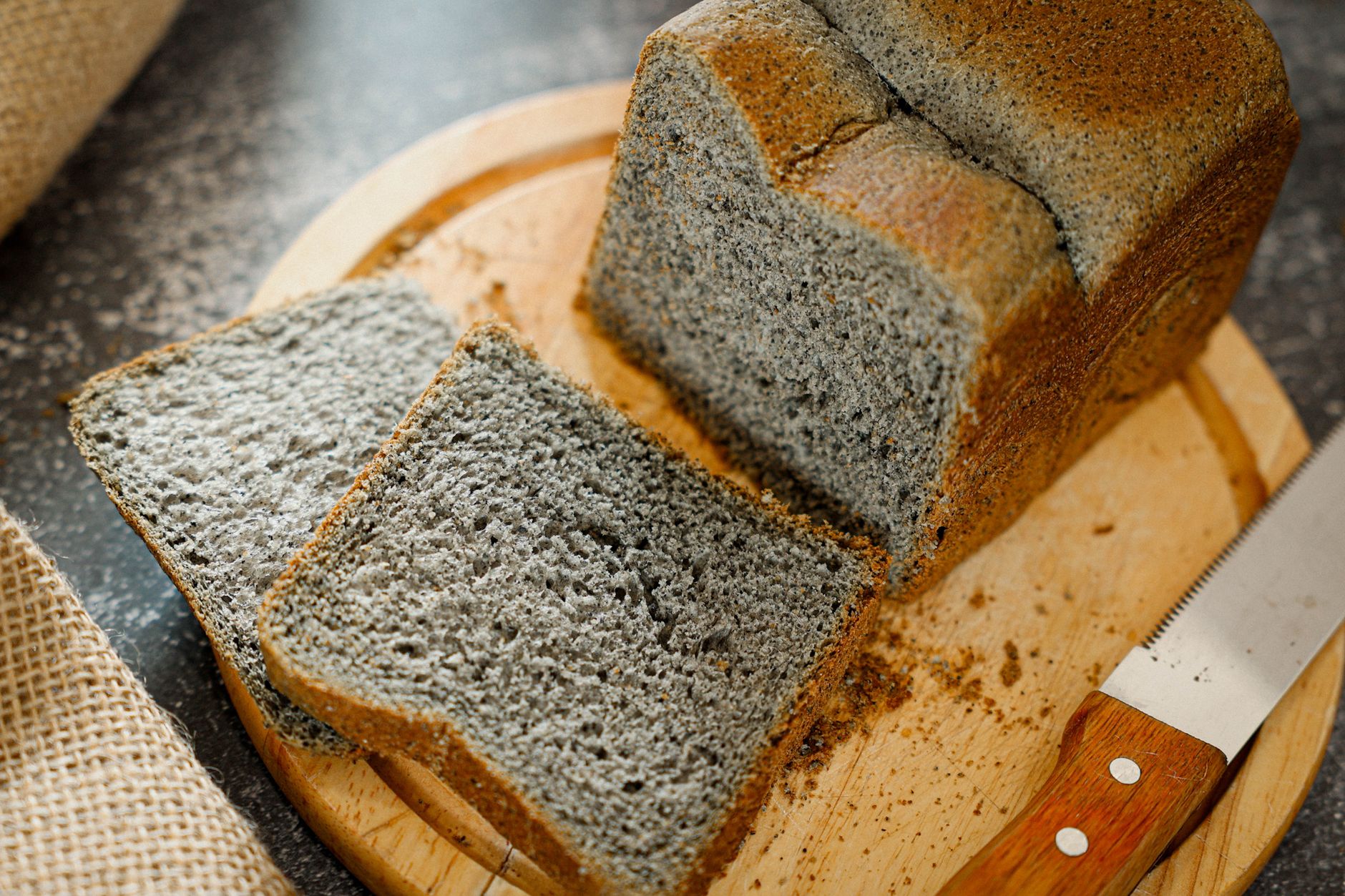
While store-bought *gluten-free low-FODMAP bread brands* offer convenience, making your own bread ensures complete control over ingredients. Here’s a simple recipe for a basic low-FODMAP gluten-free loaf:
Simple Low-FODMAP Gluten-Free Sandwich Bread
This recipe uses a blend of common low-FODMAP gluten-free flours to create a soft, adaptable loaf.
Ingredients:
- 1 ¼ cups warm water (105-115°F)
- 2 ¼ teaspoons (1 packet) active dry yeast
- 1 tablespoon sugar (for yeast activation)
- 1 ½ cups brown rice flour
- ¾ cup tapioca starch
- ½ cup potato starch (not potato flour)
- 1 teaspoon xanthan gum
- 1 teaspoon salt
- 2 tablespoons olive oil, plus extra for greasing
- 1 large egg, at room temperature
Instructions:
- In a small bowl, combine warm water and sugar. Sprinkle the yeast over the top and let sit for 5-10 minutes until foamy.
- In a large mixing bowl, whisk together brown rice flour, tapioca starch, potato starch, xanthan gum, and salt.
- Once the yeast mixture is foamy, add the olive oil and egg to it and whisk well.
- Pour the wet ingredients into the dry ingredients. Mix with a stand mixer (paddle attachment) or a hand mixer on medium speed for 5-7 minutes, scraping down the sides as needed, until the batter is smooth and well combined. The dough will be thick and sticky, more like a very thick batter than traditional bread dough.
- Lightly grease an 8.5 x 4.5-inch loaf pan with olive oil. Spoon the batter into the prepared pan, smoothing the top with a wet spatula.
- Cover the loaf pan loosely with plastic wrap or a clean kitchen towel and let it rise in a warm place for 45-60 minutes, or until it has nearly doubled in size.
- Preheat your oven to 375°F (190°C) during the last 15 minutes of rising.
- Bake for 45-55 minutes, or until the top is golden brown and the internal temperature reaches 200-210°F (93-99°C).
- Remove the bread from the oven and immediately turn it out onto a wire rack to cool completely before slicing. This helps prevent a gummy texture.
Where to Buy These Products
Finding these specific *gluten-free low-FODMAP bread brands* might require a bit of searching, but they are becoming increasingly common.
- **Major Supermarkets:** Chains like Whole Foods, Sprouts, Kroger, Safeway, and even Walmart often carry a selection of gluten-free breads, with Schar and Canyon Bakehouse being the most prevalent.
- **Health Food Stores:** Independent health food stores or smaller natural grocery chains are excellent places to find a wider variety, including BFree, Little Northern Bakehouse, and Promise Gluten Free.
- **Online Retailers:** Websites like Amazon, Thrive Market, and Vitacost offer a vast selection of gluten-free, low-FODMAP products, often with bulk purchasing options or subscription services that can be more economical.
- **Store Locators:** Most brands listed above have a “store locator” tool on their websites; use it to find specific retailers near you.
Frequently Asked Questions
Why is finding gluten-free AND low-FODMAP bread difficult?
Finding bread that is both gluten-free and low-FODMAP is challenging because many ingredients commonly used in gluten-free baking to improve texture, flavor, or nutritional value happen to be high in FODMAPs. For instance, gluten-free flours might be blended with chickpea flour or soy flour (high in GOS), or manufacturers might add inulin or honey as binders or sweeteners, all of which can trigger IBS symptoms. It requires a very specific formulation to ensure both requirements are met without compromising taste or texture.
How do I read labels for FODMAP content?
The easiest way is to look for the Monash University Low FODMAP Certified™ logo. If that’s not present, you need to meticulously check the ingredient list. Look for individual high-FODMAP ingredients like wheat, onion, garlic, inulin, fructooligosaccharides (FOS), galactooligosaccharides (GOS), high-fructose corn syrup, honey, agave syrup, and polyols (sorbitol, mannitol, xylitol, maltitol). If you’re sensitive to lactose, ensure any dairy ingredients are lactose-free. Pay close attention to “natural flavors” or “spices” as these can sometimes hide onion or garlic.
Are store-bought options truly low-FODMAP?
Yes, many store-bought options are truly low-FODMAP, especially those that carry the Monash University Low FODMAP Certified™ logo. This certification means the product has been scientifically tested and confirmed to be low in FODMAPs at a specified serving size. For brands without the certification, some products are still considered low-FODMAP by dietitians due to their simple ingredient lists, but always verify the specific ingredients yourself to be safe, as recipes can change.
What should I look for in ingredient lists?
Beyond avoiding high-FODMAP ingredients, look for a base of low-FODMAP flours such as rice flour (white, brown), tapioca starch, potato starch, cornstarch, millet flour, or sorghum flour. Safe sweeteners include sugar (sucrose), glucose, and pure maple syrup in small amounts. Leavening agents like yeast, baking powder, and baking soda are generally safe. Xanthan gum and guar gum are typically used in gluten-free baking and are low-FODMAP in small quantities.
Making Informed Bread Choices
Finding *gluten-free low-FODMAP bread brands* doesn’t have to be a source of frustration. With a clear understanding of what to look for on labels and a list of trusted brands, you can confidently choose safe bread alternatives that support your digestive health without sacrificing enjoyment. Whether you opt for a certified store-bought loaf or decide to bake your own, a world of delicious, safe bread is now within reach.