What are the best foods to eat to naturally reduce anxiety and cortisol levels?
Ever feel that persistent knot in your stomach, a racing heart, or a mind that just won’t quiet down? These familiar sensations often signal that your body is navigating stress, and while diet isn’t a cure-all, it plays a profound role in how well you manage these challenges. Discovering which foods reduce anxiety cortisol naturally can empower you to cultivate a calmer state of mind, starting right from your plate.
Understanding Cortisol and Anxiety
Anxiety is a natural human emotion, but when it becomes chronic or overwhelming, it can significantly impact quality of life. At its core, anxiety often involves the body’s stress response system, a complex network designed to help us respond to perceived threats. A key player in this system is cortisol, often dubbed the “stress hormone.” Released by the adrenal glands, cortisol helps regulate many bodily functions, including metabolism, immunity, and inflammation, and provides that burst of energy needed for a “fight or flight” response.
While essential for survival, chronically elevated cortisol levels can have detrimental effects. Prolonged high cortisol can contribute to increased anxiety, sleep disturbances, weight gain, weakened immunity, and even impact cognitive function. The good news is that your diet can be a powerful tool in modulating this response, offering a natural pathway to lower both anxiety and cortisol levels.
Top Nutrients and Foods That Reduce Stress
Incorporating specific nutrients into your diet is a science-backed strategy for stress relief nutrition. These elements support brain health, modulate neurotransmitter production, and help regulate the body’s stress response.
- Omega-3 Fatty Acids: Found in fatty fish, walnuts, and flaxseeds, these healthy fats are crucial for brain function. Research published in journals like Molecular Psychiatry suggests that omega-3s possess anti-inflammatory properties and can help reduce anxiety symptoms and cortisol levels.
- Magnesium: Often called “nature’s tranquilizer,” magnesium plays a vital role in nerve function and muscle relaxation. A deficiency can exacerbate anxiety. Excellent sources include leafy greens, nuts, seeds, and whole grains.
- B Vitamins (especially B6, B9, B12): These vitamins are essential for neurotransmitter synthesis, including serotonin and dopamine, which regulate mood. Leafy greens, eggs, legumes, and lean meats are rich in B vitamins.
- Probiotics and Prebiotics: A healthy gut microbiome has a direct link to brain health via the gut-brain axis. Fermented foods (like yogurt, kimchi, sauerkraut) provide probiotics, while foods like garlic, onions, and asparagus are great sources of prebiotics, fueling beneficial gut bacteria.
- Antioxidants (Vitamins C & E, Beta-Carotene): Stress generates free radicals, which can damage cells. Antioxidants combat this oxidative stress, supporting overall health and potentially reducing the physiological impact of stress. Berries, citrus fruits, bell peppers, and sweet potatoes are excellent sources.
- Tryptophan: An amino acid precursor to serotonin, a neurotransmitter associated with feelings of well-being and calmness. Turkey, chicken, eggs, and nuts are good sources.
Best Foods to Eat for Anxiety Relief
To implement a cortisol level diet effectively, focus on whole, unprocessed foods that are rich in the nutrients mentioned above. Here are some of the best anxiety reducing foods to integrate into your daily meals:
- Fatty Fish: Salmon, mackerel, sardines, and trout are packed with Omega-3 fatty acids (EPA and DHA). Aim for two servings per week.
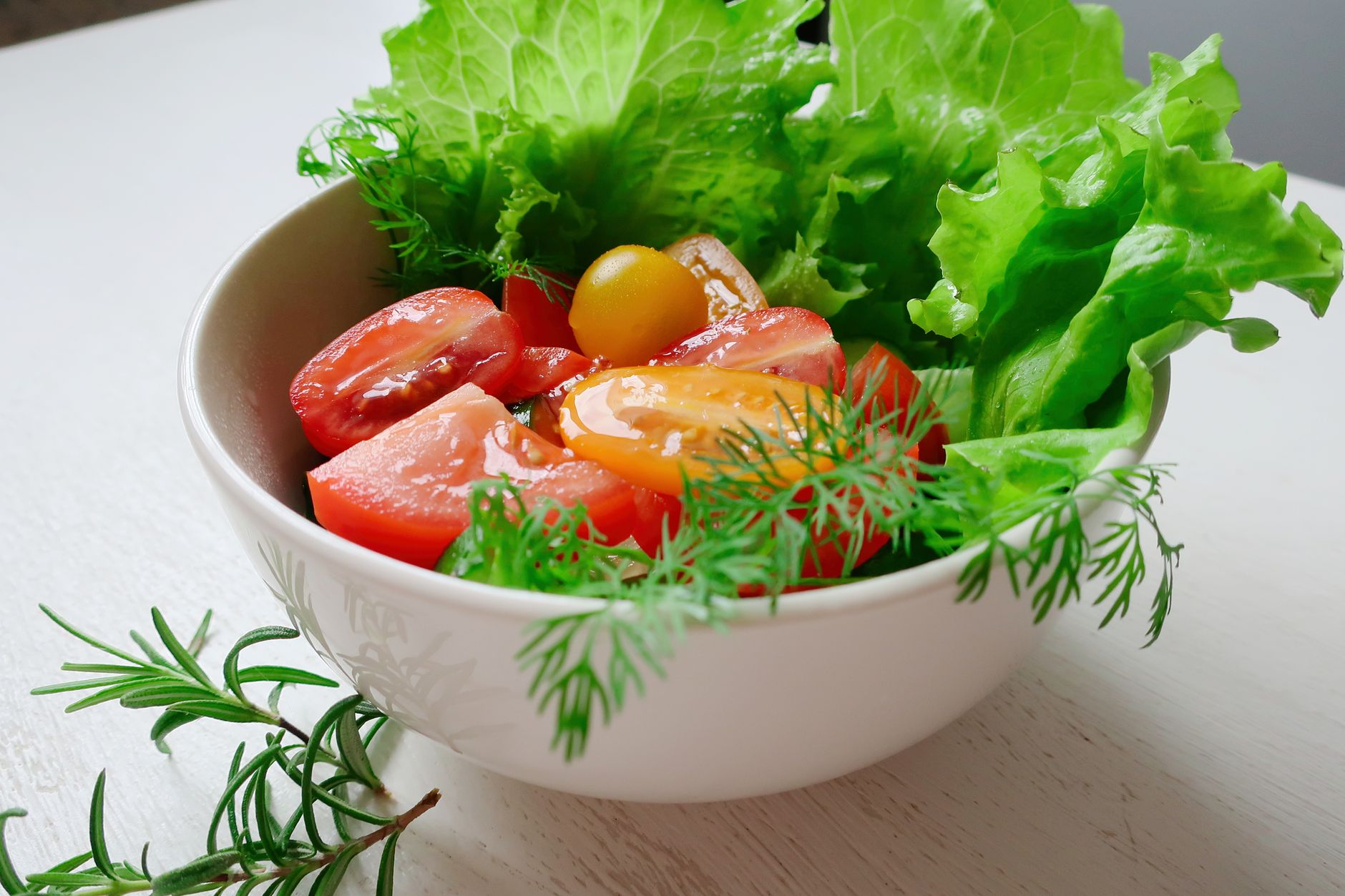
- Dark Leafy Greens: Spinach, kale, and Swiss chard are magnesium powerhouses. They also provide B vitamins and antioxidants.
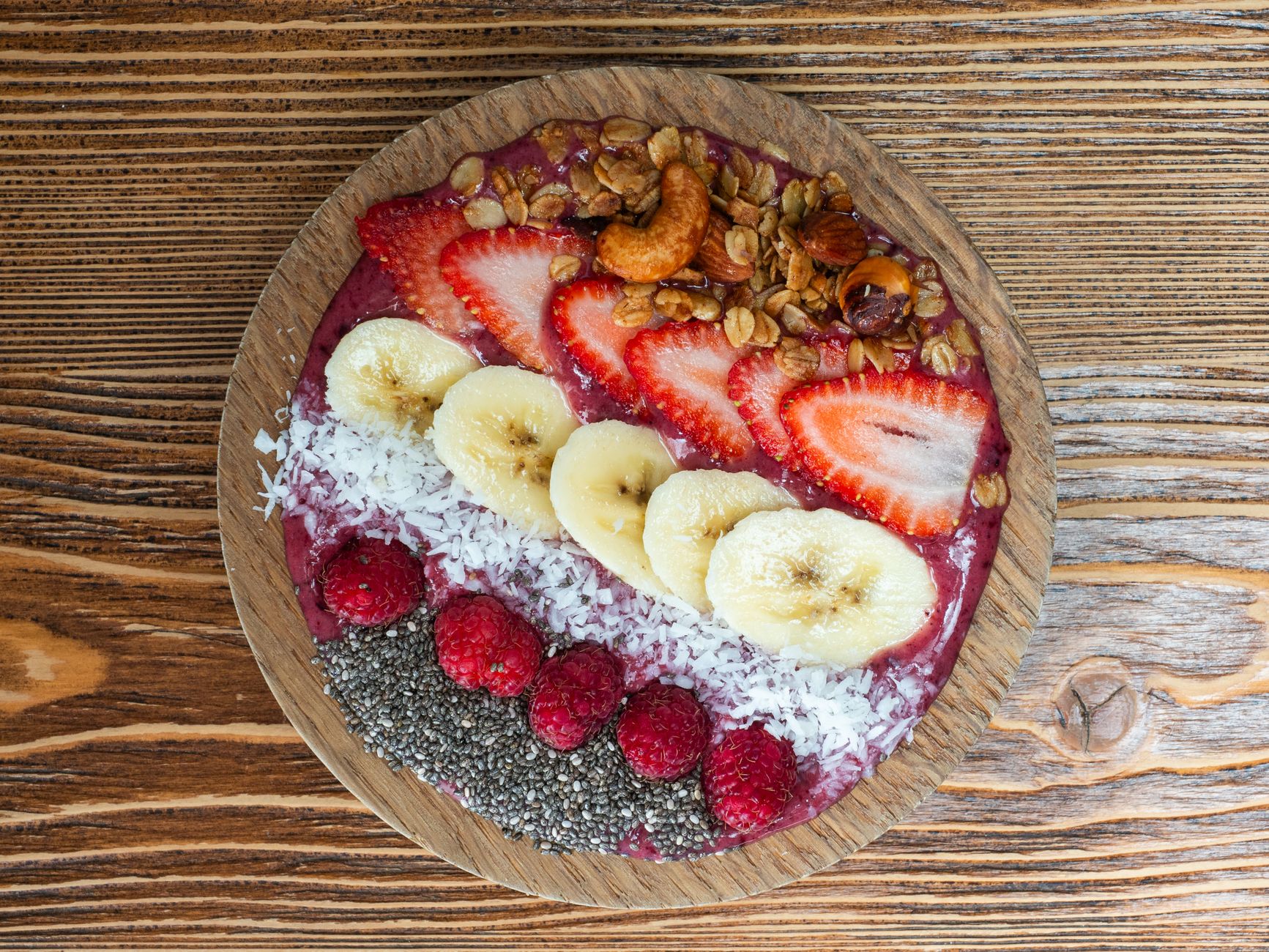
- Berries: Blueberries, strawberries, and raspberries are loaded with antioxidants and Vitamin C, which can help repair stress-induced damage.
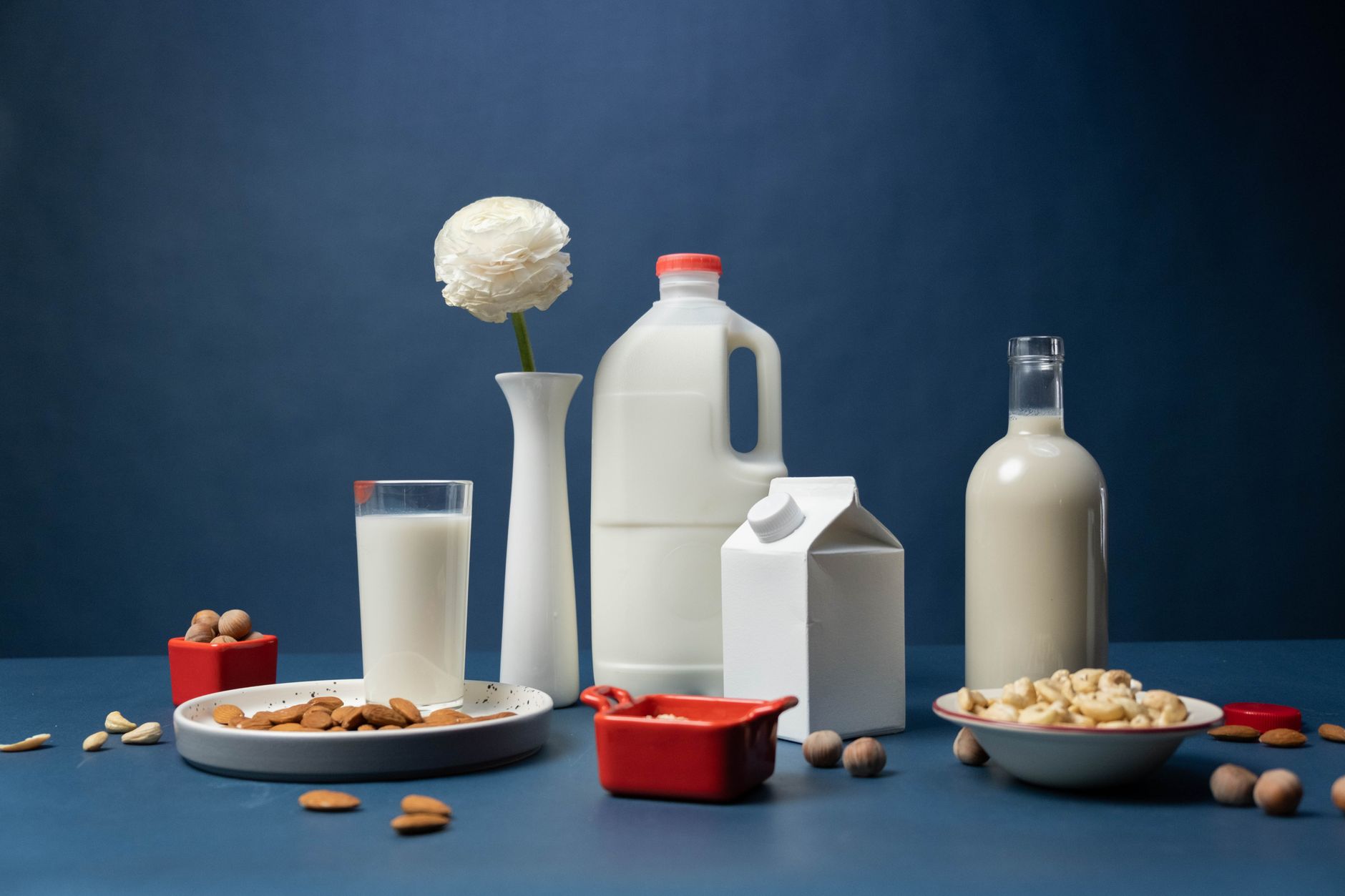
- Nuts and Seeds: Almonds, walnuts, flaxseeds, and chia seeds offer magnesium, zinc, Omega-3s, and tryptophan. A handful (about ¼ cup) can be a great snack.
- Whole Grains: Oats, quinoa, and brown rice provide complex carbohydrates, which help regulate blood sugar, preventing energy crashes that can worsen anxiety. They also offer magnesium and B vitamins.
- Avocados: Rich in B vitamins, healthy fats, and potassium, avocados support brain health and blood pressure regulation.
- Fermented Foods: Greek yogurt (plain, unsweetened), kimchi, sauerkraut, and kefir contain beneficial probiotics that support gut health and, by extension, mental well-being.
- Lean Proteins: Turkey, chicken breast, and eggs provide tryptophan and other essential amino acids vital for neurotransmitter production.
Cortisol-Reducing Meal Ideas:
Here are some delicious and simple meal ideas to help your body naturally reduce anxiety and cortisol levels:
- Breakfast: Oatmeal topped with a handful of blueberries, walnuts, and a sprinkle of chia seeds. Add a dollop of plain Greek yogurt for extra probiotics.
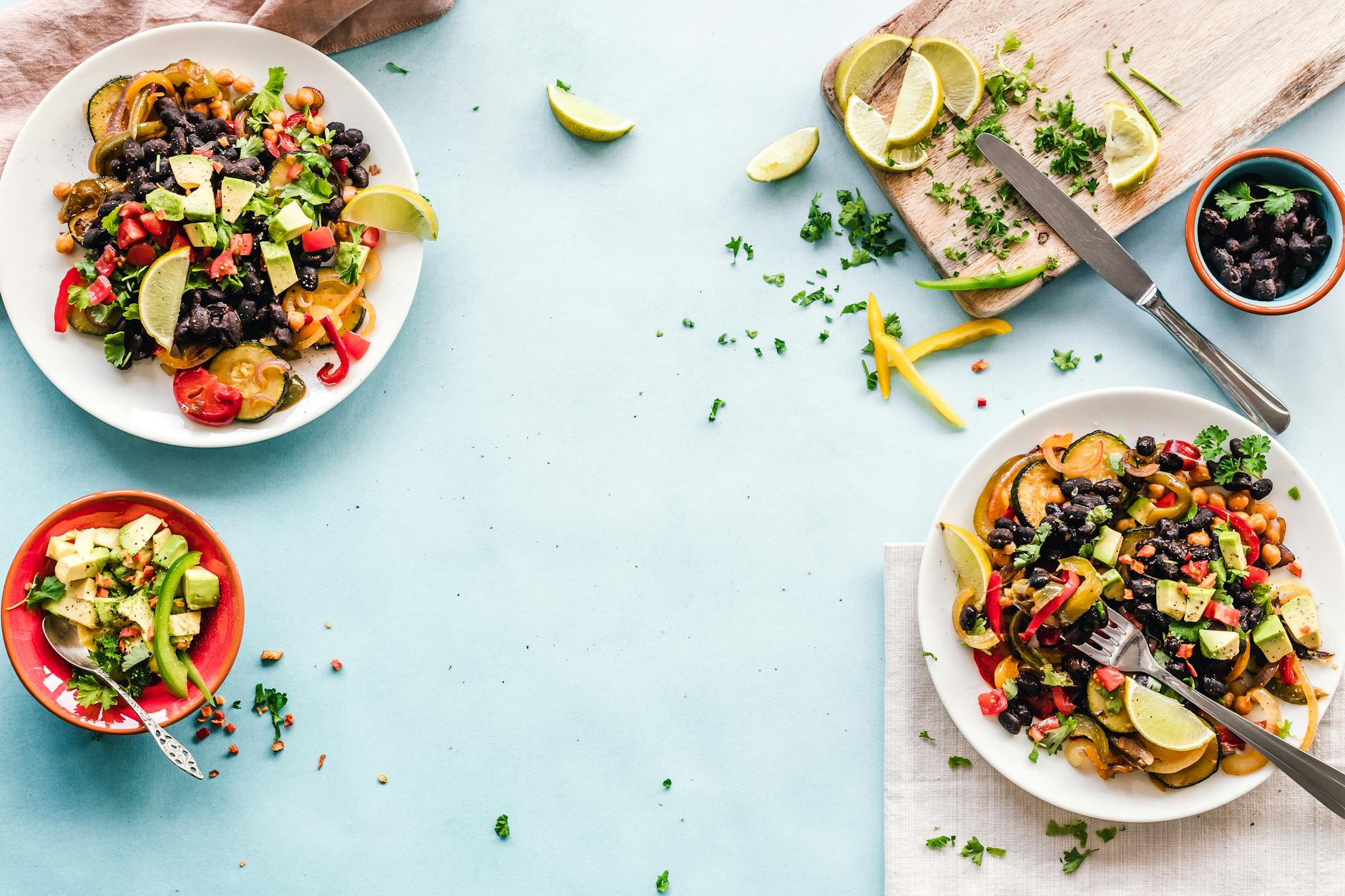
- Lunch: A large salad with mixed greens, grilled salmon, avocado slices, and a light lemon-tahini dressing. Include some chopped bell peppers for Vitamin C.
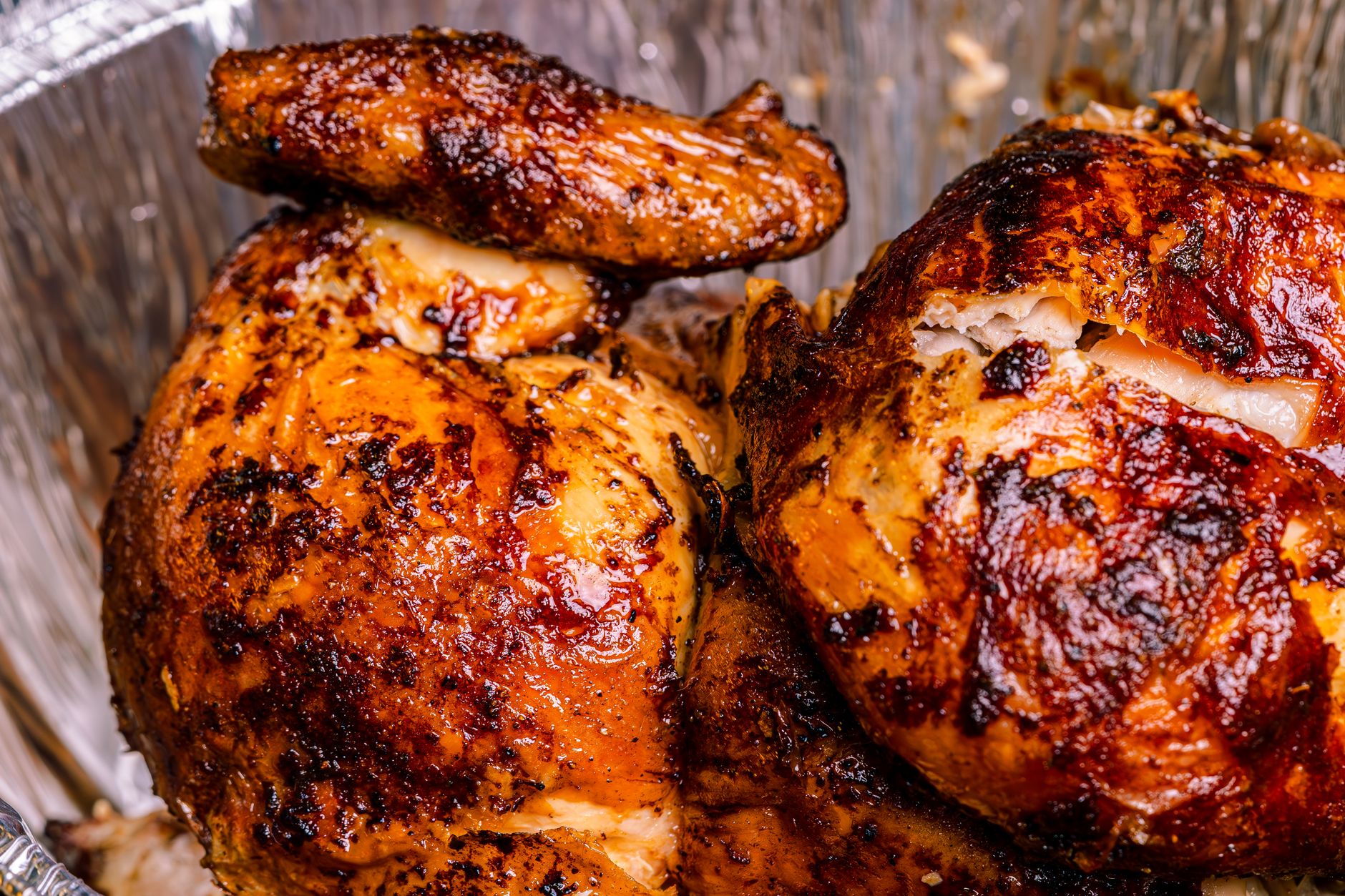
- Dinner: Baked chicken or turkey breast with a side of quinoa and sautéed spinach or kale.
- Snack: A small handful of almonds or a hard-boiled egg.
Meal Planning Guidelines:
- Prioritize Whole Foods: Build your meals around fruits, vegetables, lean proteins, and whole grains.
- Hydrate: Drink plenty of water throughout the day. Dehydration can mimic or worsen anxiety symptoms. Aim for at least 64 fluid ounces (8 cups) daily.
- Consistency is Key: Regular consumption of these foods is more effective than sporadic efforts.
Foods to Avoid for Better Mental Health
Just as certain foods can soothe your system, others can exacerbate anxiety and elevate cortisol. To optimize your anxiety reducing foods strategy, it’s important to limit or avoid these culprits:
- Refined Sugars and Processed Foods: Candies, sugary drinks, pastries, and highly processed snacks cause rapid spikes and crashes in blood sugar, which can trigger feelings of anxiety and irritability. These foods also often lack essential nutrients.
- Excessive Caffeine: While a morning cup of coffee might be fine, too much caffeine can increase heart rate, nervousness, and anxiety, especially in sensitive individuals. It can also disrupt sleep, further impacting stress levels.
- Alcohol: Initially, alcohol might seem to relax you, but it’s a depressant that can disrupt sleep patterns, worsen anxiety symptoms, and interfere with neurotransmitter balance in the long run.
- Trans Fats and Unhealthy Saturated Fats: Found in fried foods, some fast food, and many commercially baked goods, these fats can promote inflammation throughout the body, including the brain, potentially impacting mood.
Frequently Asked Questions
What vitamins help reduce cortisol?
Several vitamins play a crucial role in regulating cortisol. B vitamins, particularly B6, B9 (folate), and B12, are essential for nervous system function and neurotransmitter synthesis, which can indirectly help manage cortisol. Vitamin C is another key player; studies suggest that it can reduce the secretion of cortisol and the physiological effects of stress. Magnesium, though a mineral, is also vital for reducing cortisol and promoting relaxation. These nutrients contribute to how foods reduce anxiety cortisol naturally.
Do specific foods lower cortisol levels?
Yes, specific foods can help lower cortisol levels by providing essential nutrients that support the adrenal glands and reduce inflammation. Foods rich in Omega-3 fatty acids (like salmon), magnesium (such as leafy greens, nuts), probiotics (fermented foods), and antioxidants (berries, citrus fruits) have been shown to modulate the stress response, thereby helping to lower cortisol. Consistently incorporating these anxiety reducing foods into your diet forms a foundational cortisol level diet.
How quickly can diet changes reduce anxiety?
The speed at which diet changes can reduce anxiety varies greatly among individuals, depending on factors like the severity of anxiety, overall health, and consistency of dietary changes. While you might notice subtle improvements in energy or mood within a few days or weeks, significant shifts in anxiety and cortisol levels often require a sustained commitment to healthy eating for several weeks to months. It’s a gradual process of supporting your body’s natural healing and balancing mechanisms.
What foods should you avoid if you have anxiety?
If you experience anxiety, it’s generally advisable to avoid or significantly limit foods that can disrupt blood sugar, gut health, or overstimulate the nervous system. These include refined sugars (candies, sugary drinks), highly processed foods, excessive caffeine, and alcohol. Foods high in unhealthy fats (trans fats, excessive saturated fats) found in fried foods and some fast food can also contribute to inflammation, which may exacerbate anxiety. Focusing on a clean, whole-food diet is key for stress relief nutrition.
Eating Your Way to Calm
Embracing a diet rich in whole, nutrient-dense foods is a powerful and natural step towards mitigating anxiety and keeping cortisol levels in check. By consciously choosing foods that reduce anxiety cortisol naturally, you’re not just nourishing your body, but also fostering a calmer, more resilient mind.